Introduction
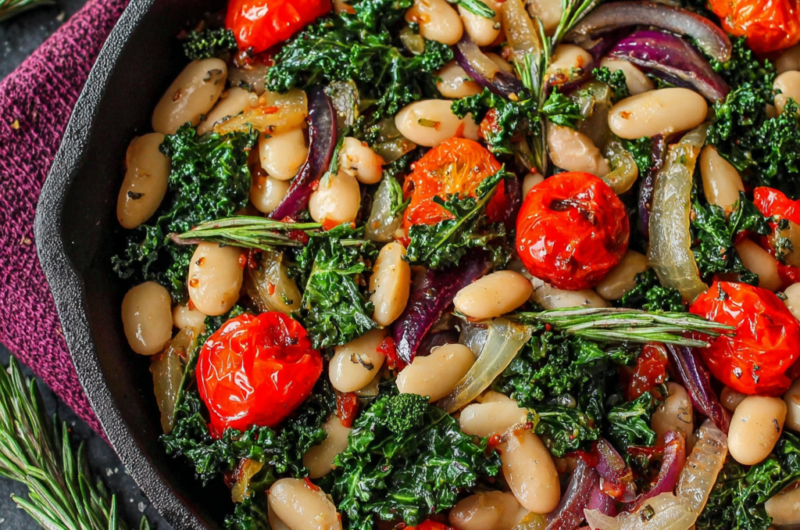
A colorful vegetable and white bean skillet can transform your dinner routine into a delicious experience. Packed with nutrients, this dish balances savory flavors with wholesome ingredients, making it both satisfying and nourishing.
The beauty of this skillet lies not only in its vibrant appearance but also in its versatility. You can easily tailor it to what you have on hand or your seasonal favorites, ensuring every bite is fresh and fulfilling.
Ingredients
- 2 tablespoons olive oil
Olive oil serves as the base for sautéing the vegetables. It adds healthy fats and enhances the flavors by allowing them to meld together during cooking. - 1 medium onion, diced
Onions provide a sweet and savory foundation for the dish, caramelizing beautifully during cooking. They also contribute aromatic depth, making the dish more complex. - 2 cloves garlic, minced
Garlic adds a pungent and aromatic kick that elevates the overall flavor profile. It's a staple in many cuisines and enhances the savory notes of the vegetables. - 1 bell pepper, diced (any color)
Bell peppers add sweetness and crunch to the skillet. Their bright color also enhances the dish's visual appeal, making it more appetizing. - 1 medium zucchini, chopped
Zucchini brings a mild flavor and a tender, yet slightly firm texture to the mix. It cooks quickly and absorbs the surrounding flavors beautifully. - 1 cup cherry tomatoes, halved
Cherry tomatoes add juiciness and acidity, balancing the richness of the olive oil and providing a burst of freshness to each bite. - 1 can (15 oz) white beans, drained and rinsed
White beans add heartiness and protein to the dish, making it fulfilling. They also contribute a creamy texture that complements the crisp vegetables. - 1 teaspoon dried oregano
Dried oregano infuses the dish with a robust, herbaceous flavor. It complements the earthy notes of the vegetables and beans. - Salt and pepper to taste
Salt enhances all the flavors and balances the dish, while pepper adds a gentle kick. Adjusting them ensures that each bite is perfectly seasoned. - Fresh parsley for garnish
Fresh parsley adds a pop of color and a refreshing herbal note when sprinkled on top just before serving, rounding off the dish beautifully.
Directions & Preparation
Step 1: Heat olive oil in a large skillet over medium heat.
Starting with olive oil in a preheated skillet allows it to reach the right temperature for sautéing. This step is crucial as it helps to release the flavors of the vegetables more effectively, leading to a well-cooked base for the dish.
Step 2: Add the diced onion and sauté for 3–4 minutes until translucent.
Cooking the onions until they become translucent is essential for developing their sweetness. This process of sautéing begins to build the dish’s aromatic base, providing the groundwork for the other ingredients to shine.
Step 3: Stir in the garlic and bell pepper; cook for another 2–3 minutes.
Adding garlic and bell peppers at this stage not only infuses the skillet with delightful aromas but also allows the sweetness of the bell peppers to emerge. This timing is key, so the garlic does not burn, which can create a bitter taste.
Step 4: Incorporate the chopped zucchini, stirring frequently for about 5 minutes.
Zucchini cooks relatively quickly and should retain some firmness for texture. Stirring allows even cooking and promotes the release of its moisture, which will mix nicely with the other vegetables.
Step 5: Add cherry tomatoes and cook for an additional 4–5 minutes.
The cherry tomatoes will soften and release their juices during this step, creating a lovely sauce-like consistency in the skillet. Their acidity will help balance the richness of the dish, complementing the beans.
Step 6: Stir in the drained white beans, dried oregano, salt, and pepper.
Mixing in the white beans at this stage ensures they are heated without becoming too mushy. This step is crucial for integrating all the flavors—allowing the oregano, salt, and pepper to enhance the dish's overall taste.
Step 7: Cook, stirring occasionally, for an additional 3–4 minutes until everything is heated through.
This final simmer allows all the ingredients to meld together, ensuring the flavors are well combined and equal throughout the dish. Stirring occasionally also prevents sticking and promotes even heating.
Step 8: Remove from heat, garnish with fresh parsley, and serve.
Garnishing with fresh parsley adds a bright, herbal finish that elevates the dish visually and flavor-wise. This step provides a fresh contrast to the warm, savory skillet, making it even more appetizing.

Seasoning Variations to Enhance Flavor
Changing up the herbs and spices can bring new life to this vegetable and white bean skillet. Consider adding smoked paprika for a hint of smokiness, or red pepper flakes for a touch of heat. Adjusting these elements can cater the dish to your personal taste preferences, making it exciting each time you prepare it.
Customizing with Seasonal Vegetables
One of the great joys of this skillet dish is its adaptability to seasonal vegetables. In the spring, add asparagus or peas; in the fall, consider spinach or roasted butternut squash. Tailoring this recipe to what’s in season not only enhances its freshness but also showcases the best flavors available throughout the year.
Serving Suggestions for a Complete Meal
Pairing this skillet with your favorite grain, such as quinoa, brown rice, or couscous, can create a fuller meal. Alternatively, serve it alongside crusty bread for excellent dipping. These additions can elevate the dish, make it heartier, and provide a satisfying dining experience.
FAQs
What can I do if the dish turns out too thick?
If your skillet is too thick, add a splash of vegetable broth or water while stirring. This will loosen the mixture and improve its texture.
How can I add more protein to this dish?
You can add grilled chicken, turkey, or even tofu. Simply sauté them alongside the vegetables or toss them in towards the end of the cooking process.
What if I want more acidity in the dish?
Drizzle a bit of balsamic vinegar or squeeze fresh lemon juice over the skillet just before serving for an added zing.
Can I prepare this as a make-ahead meal?
This dish retains its flavors well, making it suitable for meal prep. Just store it in an airtight container after cooling, and reheat when ready to eat.
What if I don't have white beans?
Cannellini, great northern beans or even chickpeas can make acceptable substitutes, each giving a slightly different flavor profile.
My skillet seems bland; what should I do?
If the dish lacks flavor, try enhancing it with additional salt, pepper, or herbs. Taste as you go, and adjust accordingly.
Can I add grains directly to the skillet?
Yes, if you want to add grains, make sure they are pre-cooked or use quick-cooking types. Add them in after combining the vegetables and beans.
What should I do if I overcook the vegetables?
If your vegetables are overcooked, consider adding fresh, uncooked vegetables toward the end to regain some texture or serve over a fresh salad for a crunchy contrast.
Conclusion
Cooking can be a source of joy, especially when creating a dish as versatile and satisfying as the vegetable and white bean skillet. Its bright flavors and vibrant colors make it a feast for the eyes and palate alike.
Experimenting with variations can keep this dish fresh each time you prepare it. With its balance of nutrition and flavor, you will find it a beloved staple in your cooking repertoire.
Recipe Card
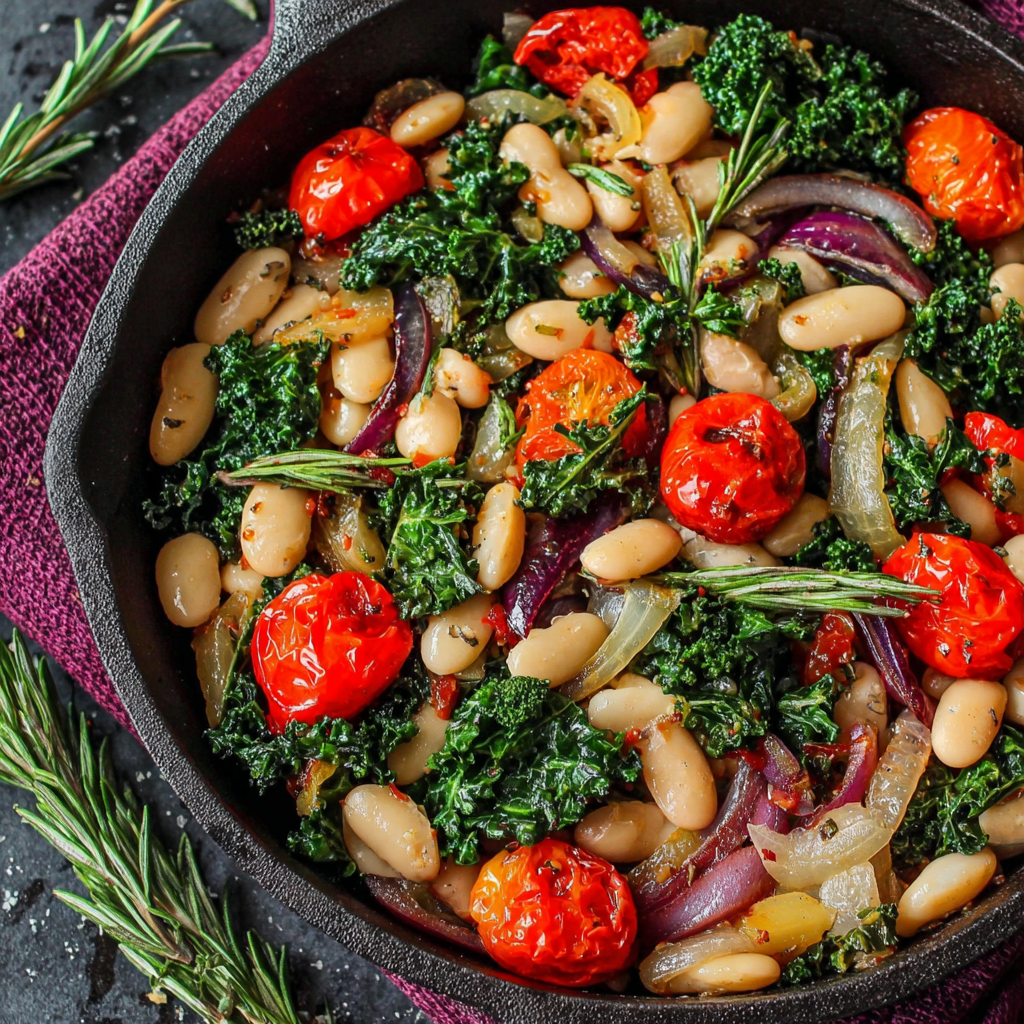
Savory Vegetable and White Bean Skillet Dish
Ingredients
Method
- Heat olive oil in a large skillet over medium heat.
- Add the diced onion and sauté for 3–4 minutes until translucent.
- Stir in the garlic and bell pepper; cook for another 2–3 minutes.
- Incorporate the chopped zucchini, stirring frequently for about 5 minutes.
- Add cherry tomatoes and cook for an additional 4–5 minutes.
- Stir in the drained white beans, dried oregano, salt, and pepper.
- Cook, stirring occasionally, for an additional 3–4 minutes until everything is heated through.
- Remove from heat, garnish with fresh parsley, and serve.
Notes
Additional serving suggestions: pair with a crisp salad, garlic bread, or roasted seasonal vegetables for balance.
For make-ahead, prep components separately and assemble just before heating to preserve texture.
Taste and adjust with acid (lemon/vinegar) and salt right at the end to wake up flavors.


