Introduction
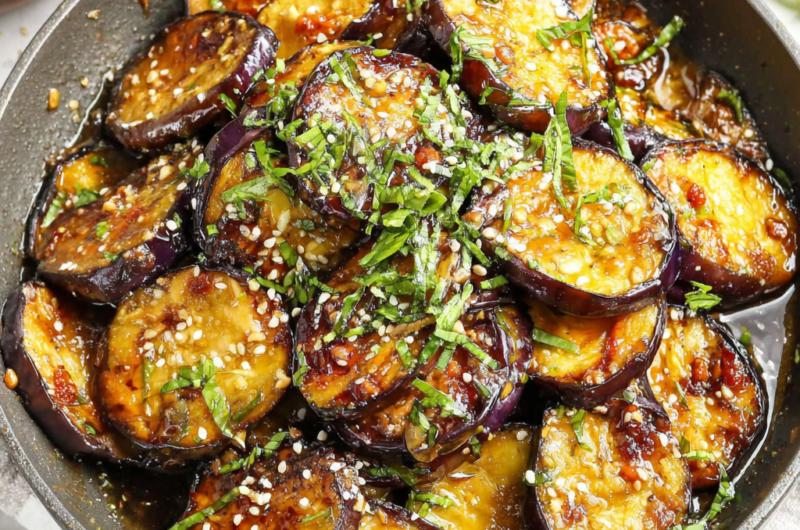
Sautéed eggplant is a delightful way to bring this versatile vegetable to life. The key to mastering its preparation lies in understanding how the characteristics of eggplant change when cooked. When sautéed, eggplant transforms from its firm, spongy nature into something tender and infused with flavor.
Its absorption of oils and seasonings makes it an excellent vehicle for various flavor profiles, from Mediterranean to Asian influences. As a versatile ingredient, sautéed eggplant can be the centerpiece of a dish or a complimentary side, making it a valuable addition to your culinary repertoire.
Ingredients
- 2 medium eggplants, diced
Eggplants serve as the star player in this dish, bringing a unique texture and earthy flavor. Dicing them allows for even cooking and helps them absorb more of the seasonings. - 3 tablespoons olive oil
Olive oil not only serves as a cooking fat but also enhances the overall flavor profile. It helps to achieve a nice golden color and crispy texture on the outside of the eggplant. - 1 teaspoon salt
Salt is crucial for drawing moisture out of the eggplant, which prevents it from becoming mushy and enhances its flavor. It helps to concentrate the natural taste of the vegetable. - 1 teaspoon black pepper
Black pepper adds a gentle heat and depth to the dish. It complements the eggplant's earthy tones without overpowering its subtle flavor. - 3 cloves garlic, minced
Garlic imparts a fragrant, savory note that elevates the dish. When sautéed, it caramelizes beautifully, adding sweetness and complexity. - 1 teaspoon dried oregano
Oregano introduces an aromatic, herbal quality that enhances the overall flavor. It's particularly effective in Mediterranean-style sautéed eggplant. - 2 tablespoons balsamic vinegar
Balsamic vinegar adds acidity and a touch of sweetness to balance the richness of the sautéed eggplant, rounding out the flavors beautifully.
Directions & Preparation
Step 1: Prepare the eggplant
Begin by washing the eggplants and cutting off the tops. Dice them into approximately 1-inch cubes. This size ensures they cook evenly and allows for maximum flavor absorption. Consider salting them lightly and letting them sit for about 30 minutes, as this helps to draw out excess moisture and bitterness.
Step 2: Sauté the garlic
In a large skillet, heat the olive oil over medium heat. Once shimmering, add the minced garlic. Sauté for about 30 seconds until fragrant but not browned—this step is crucial as burned garlic can impart a bitter taste to the dish.
Step 3: Add the eggplant
Once the garlic is aromatic, add the diced eggplant to the skillet. Stir well to coat each piece with oil. Sauté for 10-15 minutes, stirring occasionally, until the eggplant is golden and tender. This process caramelizes the sugars in the eggplant and enhances its flavor.
Step 4: Season the mixture
Sprinkle in the salt, black pepper, and dried oregano. These seasonings are crucial for enhancing the taste of the eggplant. Stir well to ensure even seasoning, letting the herbs infuse their flavors throughout the dish.
Step 5: Add balsamic vinegar
Drizzle the balsamic vinegar over the sautéed eggplant during the last few minutes of cooking. This addition brightens the dish, adding a layer of acidity that balances the richness of the eggplant and oil.
Step 6: Serve hot
Remove from heat and serve warm as a side dish or atop pasta. The eggplant can be enjoyed right away or cooled and used in other dishes, as its flavors can develop even further with time.

Versatile Pairings for Sautéed Eggplant
Sautéed eggplant is a fantastic accompaniment to a variety of dishes. Its rich flavor profile pairs beautifully with grains, making it an excellent topping for quinoa or farro. It also shines alongside grilled meats or roasted vegetables, creating a medley of textures and tastes.
Elevating Leftovers with Sautéed Eggplant
If you find yourself with leftover sautéed eggplant, don’t fret! You can toss it into salads for added texture, blend it into a savory dip with yogurt and herbs, or layer it into a savory sandwich. Its adaptability means that no bite goes to waste.
The Art of Balancing Flavors
When sautéing eggplant, manipulating flavor elements like acid and seasoning is crucial. Consider adding a sprinkle of fresh herbs or a few red pepper flakes for heat to elevate the dish. Balance is key, especially when working with the eggplant's creamy texture.
FAQs
What should I do if the eggplant turns out too bitter?
If the eggplant tastes too bitter, ensure you have salted it well before cooking and allowed it to rest. This process draws out excess moisture and bitterness. Additionally, using a variety known for lower bitterness, such as Italian eggplant, can help.
How can I adjust this recipe for larger servings?
To scale the recipe for more portions, simply multiply the quantity of each ingredient by the number of servings needed. Keep in mind you may need a larger skillet or work in batches to ensure even cooking.
What can I do if the dish seems too oily?
If your sautéed eggplant has become too oily, try adding a bit more diced tomato or vegetable stock to balance it out. Stir and simmer for a few moments to blend the flavors.
How can I make my sautéed eggplant more flavorful?
To enhance the flavor, consider adding additional herbs like fresh basil or parsley at the end of cooking. A splash of lemon juice or a pinch of smoked paprika can also add depth.
Can I use fresh herbs instead of dried oregano?
Absolutely! Fresh herbs can offer a more vibrant flavor. If using fresh oregano, add a bit more since it's less concentrated than dried spices.
What can I do if the eggplant becomes mushy?
If the eggplant becomes mushy during cooking, it may have been overcooked or had too much moisture. To avoid this, ensure you stir occasionally and remove it from the heat when it’s just tender.
Conclusion
Sautéed eggplant is an excellent choice for home cooks looking to explore vegetable-based dishes that are fulfilling and full of flavor. With a few tips and a bit of attention, anyone can master this savory preparation.
Whether served as a side or a star ingredient, this dish can easily adapt to fit into countless meals, making it a staple worth perfecting in your cooking routine.
Recipe Card
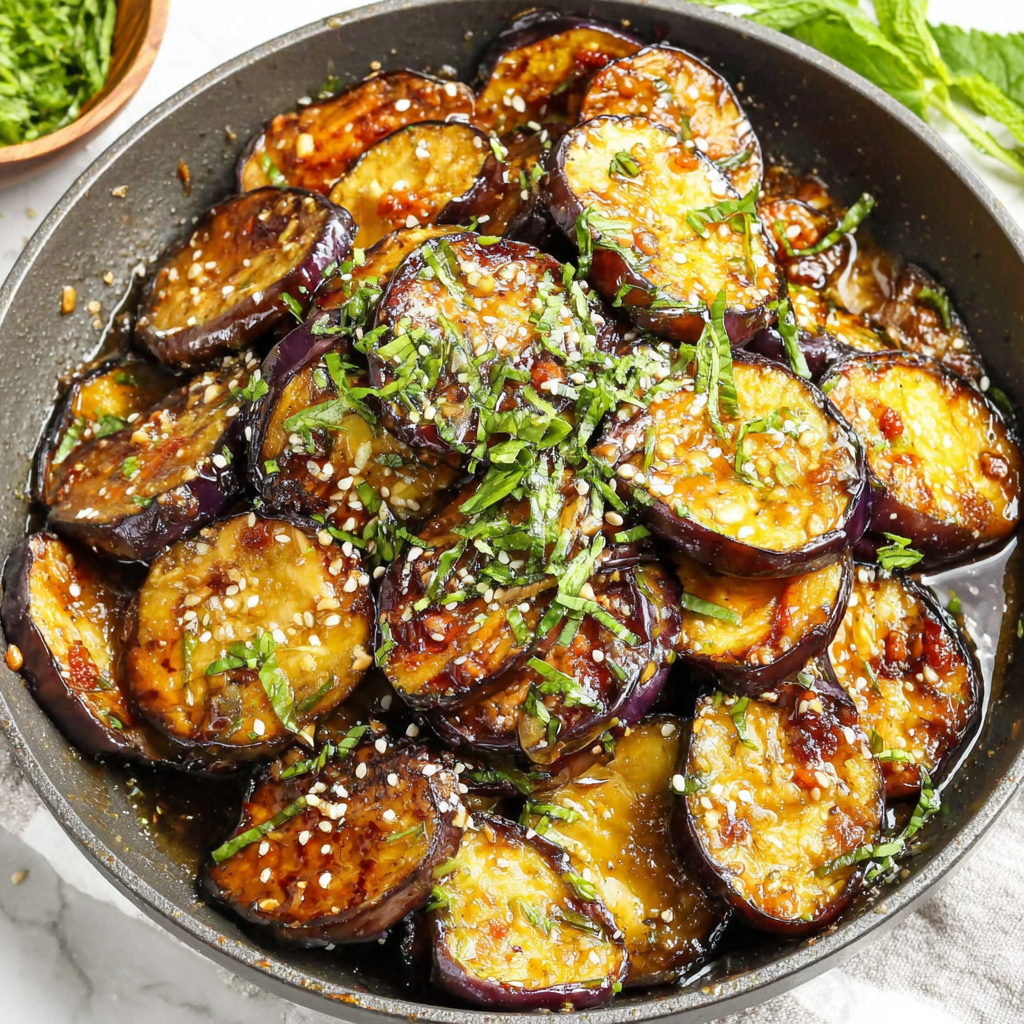
Savory Sautéed Eggplant That Delights the Palate
Ingredients
Method
- Prepare the eggplant
- Sauté the garlic
- Add the eggplant
- Season the mixture
- Add balsamic vinegar
- Serve hot
Notes
Additional serving suggestions: pair with a crisp salad, garlic bread, or roasted seasonal vegetables for balance.
For make-ahead, prep components separately and assemble just before heating to preserve texture.
Taste and adjust with acid (lemon/vinegar) and salt right at the end to wake up flavors.