Introduction
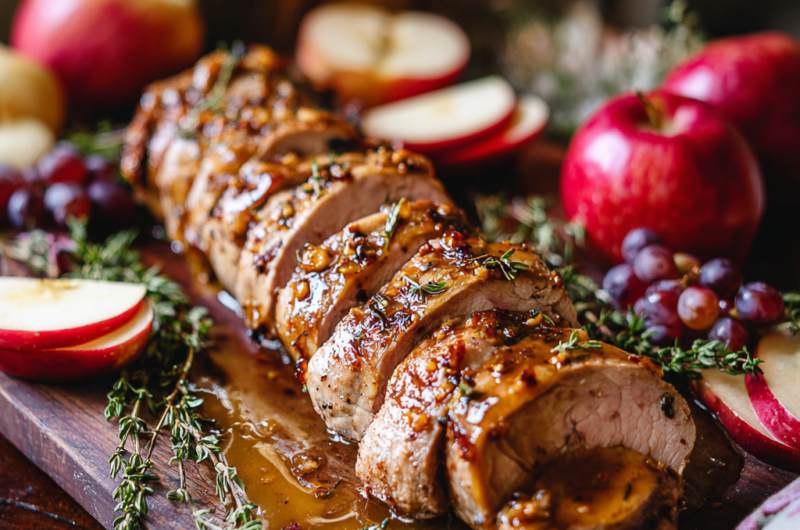
Pork tenderloin is a versatile cut of meat that lends itself beautifully to a variety of flavors, but it truly shines when paired with a sweet-tart apple cider glaze. This dish combines savory and sweet elements, making it a delightful centerpiece for any dinner table.
Using fresh apple cider as a base for the glaze adds depth and richness, bringing out the meat's natural flavors while imparting a fall-inspired essence. Moreover, the dish is simple enough for weeknight meals yet elegant enough for special occasions.
With a few carefully chosen ingredients, you can transform a basic pork tenderloin into a mouthwatering experience. Let’s dive into the preparation and see how easy it is to create a dish that will be a hit among family and friends.
Ingredients
- 2 pounds pork tenderloin
Pork tenderloin is a lean cut that cooks quickly and retains moisture. This meat's mild flavor serves as a perfect canvas for the apple cider glaze, allowing it to absorb the spicy, sweet elements beautifully. - 1 cup apple cider
Fresh apple cider brings a natural sweetness and acidity that balance the savory flavors of pork. The sugars in the cider caramelize during cooking, developing a rich, sticky glaze. - 2 tablespoons Dijon mustard
Dijon mustard adds a tangy layer that enhances the overall flavor of the glaze. It also helps to emulsify the sauce, giving it a nice thickness. - 2 tablespoons brown sugar
Brown sugar contributes to the caramelization process while adding a deep, rich sweetness that complements the apple cider perfectly. - 1 tablespoon apple cider vinegar
Adding apple cider vinegar provides a sharp acidity that brightens up the glaze, balancing the sweetness from the cider and brown sugar. - 1 teaspoon dried thyme
Dried thyme introduces an earthy note that complements the pork well. Its aroma enhances the dish's complexity without overpowering the other flavors. - Salt and pepper to taste
Seasoning with salt and pepper is crucial to highlight the natural flavors of the pork tenderloin and the glaze. It brings out each ingredient's best characteristics.
Directions & Preparation
Step 1: Preheat the oven to 400°F (200°C).
Preheating the oven is vital for ensuring even cooking. Starting the pork in a properly heated environment helps to sear the meat, locking in juices and creating a flavorful crust. This also speeds up the cooking process.
Step 2: Season the pork tenderloin with salt and pepper.
Proper seasoning is key to elevating the flavor of the dish. Applying salt and pepper evenly all over the tenderloin infuses it with taste throughout and helps form a savory crust during roasting.
Step 3: In a small saucepan, combine apple cider, Dijon mustard, brown sugar, and apple cider vinegar.
Cooking the glaze ingredients together allows the flavors to meld while the sugars dissolve. This mixture will become the sauce that enhances the pork and creates a delicious coating.
Step 4: Bring the mixture to a simmer over medium heat, stirring occasionally until slightly thickened, about 10 minutes.
Simmering helps to concentrate the flavors and achieve a thicker consistency for your glaze. The gentle heat prevents burning, allowing the sugars to caramelize beautifully.
Step 5: Stir in dried thyme, then remove from heat and set aside.
Adding thyme at the end preserves its fresh aroma and flavor. This final step ensures that the essence of the herb remains vibrant, adding an aromatic touch to your glaze.
Step 6: In an oven-safe skillet, sear the seasoned pork tenderloin for about 2-3 minutes on each side until browned.
Searing the pork locks in moisture and creates a beautiful crust. This caramelization enhances the depth of flavor, preparing the meat to absorb the glaze during the roasting process.
Step 7: Brush half of the glaze over the pork tenderloin.
Applying some glaze before roasting allows the flavors to penetrate the meat. This initial coating ensures that the pork begins to take on the sweetness and complexity of the glaze right from the start.
Step 8: Transfer the skillet to the preheated oven and roast for 20-25 minutes, or until the internal temperature reaches 145°F (63°C).
Roasting at a consistent temperature ensures even cooking. Cooking until the recommended temperature guarantees that the pork remains juicy while ensuring food safety.
Step 9: Once cooked, remove the pork from the oven and let it rest for 5-10 minutes before slicing.
Resting allows the juices to redistribute within the meat, ensuring each slice stays moist. Slicing too early can result in dry pork due to juices escaping.
Step 10: Serve the remaining glaze on the side or drizzled over the sliced pork.
Serving additional glaze allows guests to enjoy as much flavor as they desire. This finishing touch not only enhances presentation but also elevates the dining experience.

The Art of Glazing: A Perfect Finish
Glazing is a technique that transforms ordinary dishes into extraordinary experiences. For this pork tenderloin, the apple cider glaze delivers balance with its combination of sweetness and acidity. The key is to create a thick glaze that clings to the meat, ensuring that each bite is infused with flavor. A properly executed glaze enhances both taste and visual appeal, turning a simple meal into a stunning centerpiece.
Seasonal Sensations: Embracing Apple Cider
Using fresh apple cider in cooking can bring seasonal flavors to your table. This ingredient not only provides natural sweetness but also evokes nostalgic feelings associated with autumn harvests. By incorporating apple cider into savory dishes, you elevate your meals with complexity and depth. The unique flavors associated with fresh cider make it a wonderful choice for glazing pork, contributing both aroma and taste.
Pairing Ideas to Elevate Your Meal
When planning sides for your glazed pork tenderloin, consider complementary flavors and textures. Roasted root vegetables or a fresh arugula salad with light dressing can provide a perfect counterbalance to the richness of the pork. Additionally, a side of creamy mashed potatoes can absorb the delectable glaze, enhancing your dining experience. Thoughtfully paired sides will complete your meal, leaving a lasting impression.
FAQs
What if my glaze is too thick?
If your glaze turns out too thick, you can add a small splash of water or additional apple cider to thin it while warming it back up over low heat.
Can I use other types of meat for this recipe?
Yes, this apple cider glaze works well with chicken breasts or thighs as an alternative to pork, but cooking times may vary.
What can I do if the pork is overcooked?
If your pork is overcooked, consider slicing it thinly and serving it with extra glaze. This can help mask dryness and enhance flavor.
How can I make the glaze spicier?
To add some heat, consider incorporating a pinch of cayenne pepper or red pepper flakes into the glaze mixture during cooking.
Is there a way to enhance the glaze’s apple flavor?
You can enhance apple flavor by adding a tablespoon of apple butter to the glaze, deepening its complexity and sweetness.
What side dishes pair well with pork tenderloin?
Great sides include roasted Brussels sprouts, garlic mashed potatoes, or apple compote to complement the flavors of the dish.
Conclusion
Creating a pork tenderloin with apple cider glaze is a rewarding experience that showcases the beauty of simple ingredients. The balance of sweet and savory flavors makes this dish a crowd-pleaser, perfect for any occasion.
With the provided steps and tips, you can achieve a delicious meal that tantalizes the taste buds. Enjoy the process of cooking and the satisfaction of serving a flavorful dish that delights everyone at your table.
Recipe Card
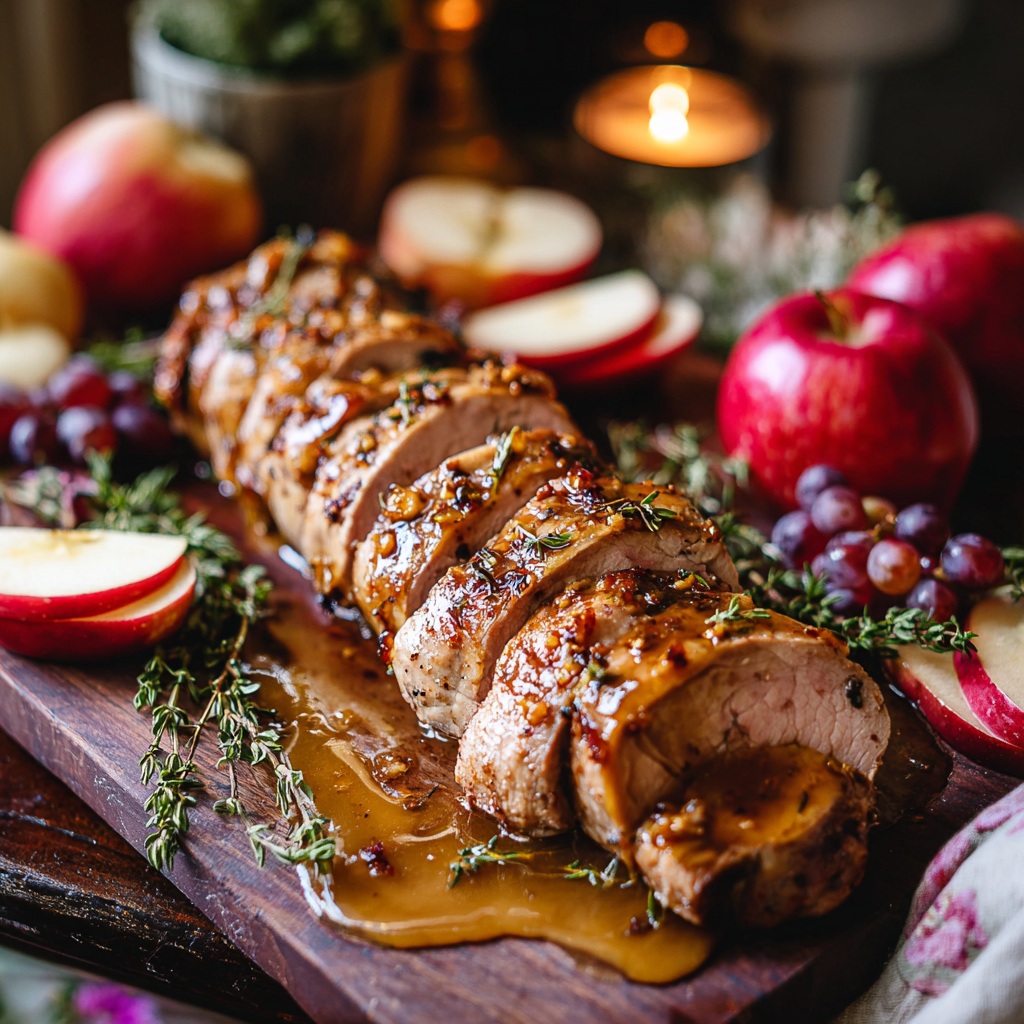
Savory Pork Tenderloin with Apple Cider Glaze
Ingredients
Method
- Preheat the oven to 400°F (200°C).
- Season the pork tenderloin with salt and pepper.
- In a small saucepan, combine apple cider, Dijon mustard, brown sugar, and apple cider vinegar.
- Bring the mixture to a simmer over medium heat, stirring occasionally until slightly thickened, about 10 minutes.
- Stir in dried thyme, then remove from heat and set aside.
- In an oven-safe skillet, sear the seasoned pork tenderloin for about 2-3 minutes on each side until browned.
- Brush half of the glaze over the pork tenderloin.
- Transfer the skillet to the preheated oven and roast for 20-25 minutes, or until the internal temperature reaches 145°F (63°C).
- Once cooked, remove the pork from the oven and let it rest for 5-10 minutes before slicing.
- Serve the remaining glaze on the side or drizzled over the sliced pork.
Notes
Additional serving suggestions: pair with a crisp salad, garlic bread, or roasted seasonal vegetables for balance.
For make-ahead, prep components separately and assemble just before heating to preserve texture.
Taste and adjust with acid (lemon/vinegar) and salt right at the end to wake up flavors.