Introduction
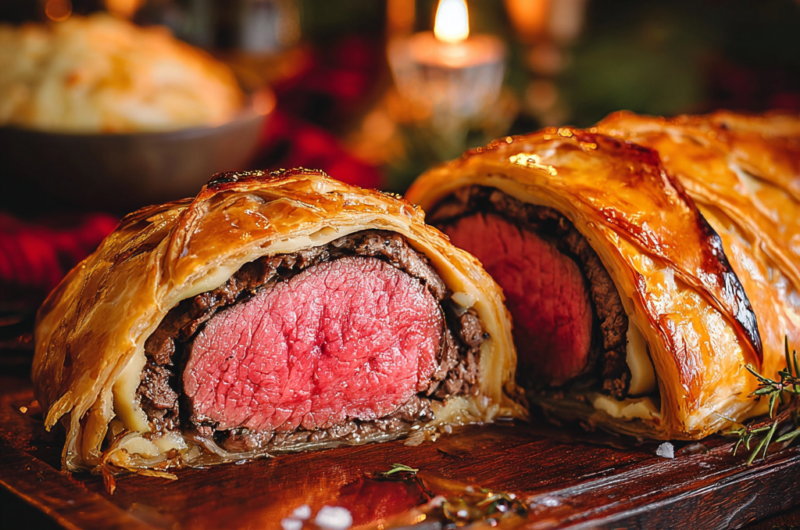
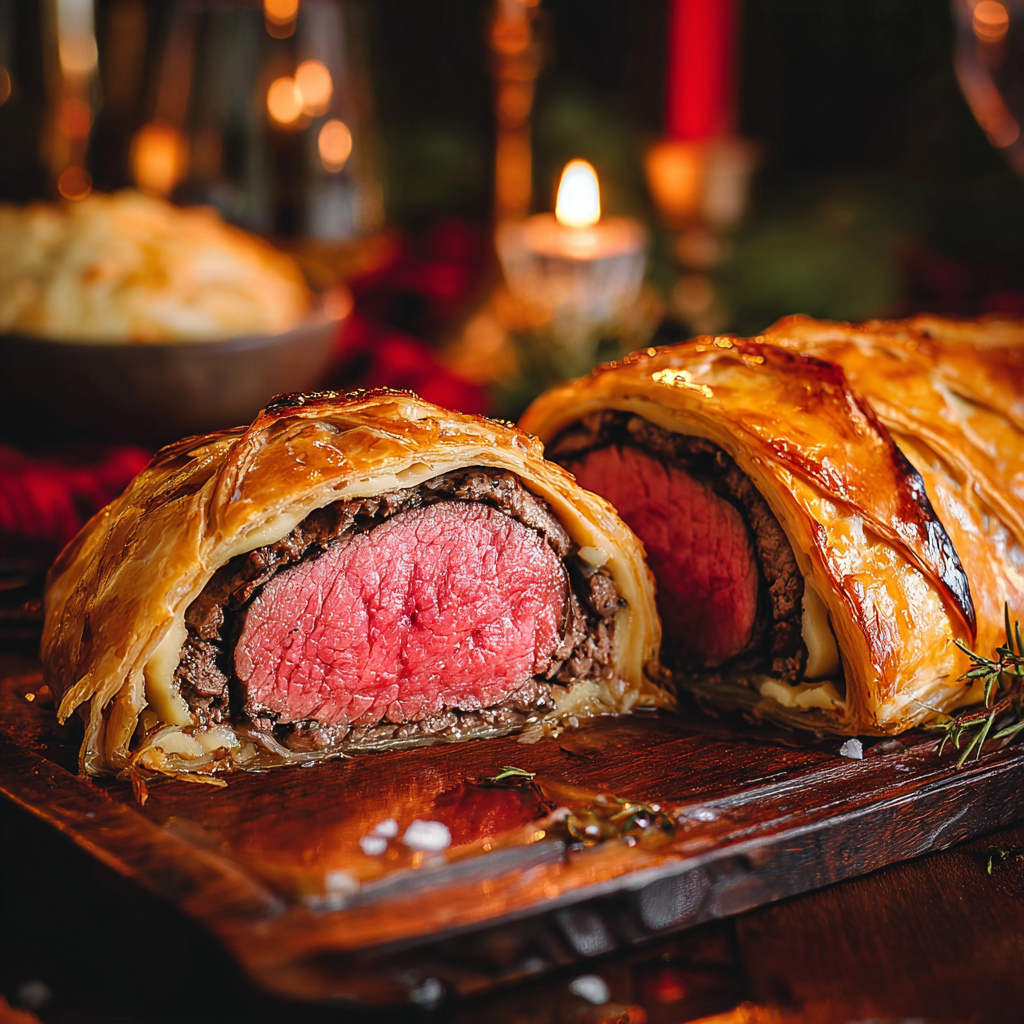
Beef Wellington is a classic dish that embodies decadence and finesse, making it a perfect centerpiece for special occasions. This stunning beef dish, encased in golden puff pastry, impresses not only in presentation but also in flavor. While the process may seem daunting, with a little patience and practice, you can master this culinary marvel in your own kitchen.
At its core, Beef Wellington combines succulent beef tenderloin, rich mushroom duxelles, and often a layer of pâté, all wrapped in a flaky pastry crust. The harmony of these elements creates a symphony of textures and flavors. In this article, we will ensure that your Beef Wellington turns out perfectly every time.
Ingredients
- 2 pounds beef tenderloin
This cut is tender and lean, ensuring a melt-in-your-mouth texture. Choosing a high-quality beef will elevate the dish, allowing the flavors to shine through. - 1 tablespoon olive oil
Used for searing the beef, olive oil helps develop a rich crust. It also adds a touch of flavor, enhancing the succulent nature of the beef. - 1 pound mushrooms, finely chopped
Mushrooms form the base of the duxelles, providing an earthy flavor and moisture. Properly cooking them down reduces their moisture content, preventing the pastry from becoming soggy. - 2 tablespoons Dijon mustard
Applying mustard on the beef brings a subtle tang and depth of flavor. It complements the richness of the beef and the earthiness of the mushrooms. - 8 ounces pâté (optional)
While not essential, pâté adds an extra layer of luxury and flavor to your Wellington, enriching the overall taste profile. - 1 sheet puff pastry (about 14 ounces)
Puff pastry creates the flaky, golden crust that encases the beef. It puffs up during baking, providing a beautiful contrast to the tender meat inside. - 1 egg (beaten)
Egg wash gives the pastry a shiny, golden finish once baked, making your Wellington visually appealing without compromising flavor. - Salt and black pepper to taste
Essential for seasoning, the right balance of salt and pepper enhances the natural flavors of the beef and mushrooms, ensuring a well-rounded dish.
Directions & Preparation
Step 1: Preheat your oven to 400°F (200°C).
Preheating the oven ensures that the beef Wellington cooks evenly and achieves a crispy, golden crust. Without proper heat, the pastry may remain soggy.
Step 2: Sear the beef tenderloin in olive oil for 3-4 minutes on each side until browned.
Searing locks in juices and creates a flavorful crust. It also enhances the overall depth of flavor in the dish. Make sure not to overcrowd the pan to achieve a good sear.
Step 3: Remove from pan, season with salt and pepper, and let cool.
Allowing the beef to cool slightly makes it easier to handle later and prevents the pastry from becoming overly soft. This resting time is crucial for maintaining the meat's juiciness.
Step 4: In the same pan, add the chopped mushrooms, cooking them until all moisture evaporates.
Cooking out the liquid from the mushrooms prevents a soggy Wellington. Aim for a dry, flavorful mixture that can be spread without making the pastry wet.
Step 5: Stir in the Dijon mustard, mixing until well combined, then let cool.
The mustard not only adds flavor but also helps create a barrier between the beef and the mushroom mixture, further preventing moisture from seeping into the pastry.
Step 6: Roll out the puff pastry on a floured surface to create a large rectangle.
Getting the pastry to the right thickness is crucial for it to puff up appropriately and ensure the beef is fully encased. Aim for about 1/4 inch thick for optimal results.
Step 7: Spread the mushroom mixture over the pastry, leaving edges clear for sealing.
This preparation allows the flavors to meld while the pastry bakes. Be mindful of not adding too much mixture, which could cause leakage.
Step 8: Place the cooled, seared beef in the center of the pastry, optionally spreading pâté on top.
If using pâté, spreading it on the seared beef enhances the richness of the fillings. Position the beef strategically to ensure even pastry coverage.
Step 9: Fold the pastry over the beef, sealing the edges with the beaten egg.
Properly sealing the pastry is essential to retain moisture and flavor during cooking. Make sure there are no gaps, and use more egg wash if necessary for a strong seal.
Step 10: Brush the top with egg wash for a golden finish and cut a few slits for steam.
The egg wash gives a beautiful crust, while the slits allow steam to escape during baking, preventing the pastry from becoming soggy.
Step 11: Bake in the preheated oven for 25-30 minutes or until the pastry is golden brown.
Baking time will vary based on your oven and the size of the beef. Keep an eye on the color of the pastry; if it browns too quickly, cover with foil to prevent burning.
Step 12: Remove from the oven and let rest for 10-15 minutes before slicing.
Resting allows the juices to redistribute and prevents the beef from becoming dry when sliced. This step is vital for maintaining its tenderness.

Choosing the Right Beef Tenderloin
Selecting the right cut of beef is essential for achieving a perfect Beef Wellington. Look for a well-marbled tenderloin, which ensures moisture and flavor during cooking. Grass-fed beef is often a great choice, as it has a rich taste that enhances the overall dish. If you're uncertain, ask your butcher for recommendations that might better suit your taste preferences.
The Importance of the Mushroom Duxelles
Mushroom duxelles is a critical component of Beef Wellington, providing depth of flavor and a umami punch. Properly cooking the mushrooms until they've lost moisture is crucial; this prevents the pastry from becoming soggy, which can ruin the dish. A mix of different mushrooms can also be used for added complexity, making the flavor profile even more interesting.
Finishing Touches for a Stunning Presentation
Once your Beef Wellington is baked and rested, the way you slice and present it becomes paramount. Use a sharp knife to achieve even slices, showcasing the layers of pastry and beef. You can serve it with a rich red wine jus or a simple green salad for a fresh contrast. Presentation elevates the dining experience, so take the time to arrange it beautifully on the plate.
FAQs
What can I do if my mushroom duxelles is too watery?
If your mushroom mixture is too watery, continue cooking it on low heat until the excess moisture evaporates. This will ensure the mixture is thick enough to spread on the pastry.
How do I ensure my Beef Wellington is not overcooked?
Use a meat thermometer to check the internal temperature; for medium-rare, aim for around 130°F (54°C). Remove it from the oven slightly before it reaches this temperature, as it will continue cooking while resting.
Can I adjust the size of the recipe for fewer servings?
Yes, you can adjust the quantities of the filling or the size of the beef tenderloin; just be mindful that baking times may vary with different sizes. A smaller piece may cook faster.
What do I do if my pastry is too thick?
If the pastry seems unusually thick, you can roll it out further before wrapping the beef. Ensure it is an even thickness for best results; uneven pastry can lead to inconsistent baking.
What if my Beef Wellington lacks flavor?
If it tastes bland, ensure you adequately season the beef and mushroom mixture with sufficient salt and pepper. You can also enhance flavor by including herbs, like thyme, in the filling.
Is it possible to mix different mushrooms in the duxelles?
Absolutely! Mixing various mushrooms like shiitake, cremini, or portobello can create a more complex flavor. Just be sure to finely chop and cook them down to the same consistency.
Conclusion
Beef Wellington is a dish that impresses not only with its flavor but its presentation, making it a favorite for celebrations. With careful preparation and attention to detail, you can create this restaurant-quality meal at home, proving that indulgence doesn’t have to be confined to dining out.
Remember, practice is key. Each time you make Beef Wellington, you’ll refine your skills and elevate your culinary artistry. Enjoy the journey and the delicious results that come with it!
Recipe Card
Mastering the Art of Beef Wellington at Home
Ingredients
Method
- Preheat your oven to 400°F (200°C).
- Sear the beef tenderloin in olive oil for 3-4 minutes on each side until browned.
- Remove from pan, season with salt and pepper, and let cool.
- In the same pan, add the chopped mushrooms, cooking them until all moisture evaporates.
- Stir in the Dijon mustard, mixing until well combined, then let cool.
- Roll out the puff pastry on a floured surface to create a large rectangle.
- Spread the mushroom mixture over the pastry, leaving edges clear for sealing.
- Place the cooled, seared beef in the center of the pastry, optionally spreading pâté on top.
- Fold the pastry over the beef, sealing the edges with the beaten egg.
- Brush the top with egg wash for a golden finish and cut a few slits for steam.
- Bake in the preheated oven for 25-30 minutes or until the pastry is golden brown.
- Remove from the oven and let rest for 10-15 minutes before slicing.
Notes
Additional serving suggestions: pair with a crisp salad, garlic bread, or roasted seasonal vegetables for balance.
For make-ahead, prep components separately and assemble just before heating to preserve texture.
Taste and adjust with acid (lemon/vinegar) and salt right at the end to wake up flavors.