Introduction
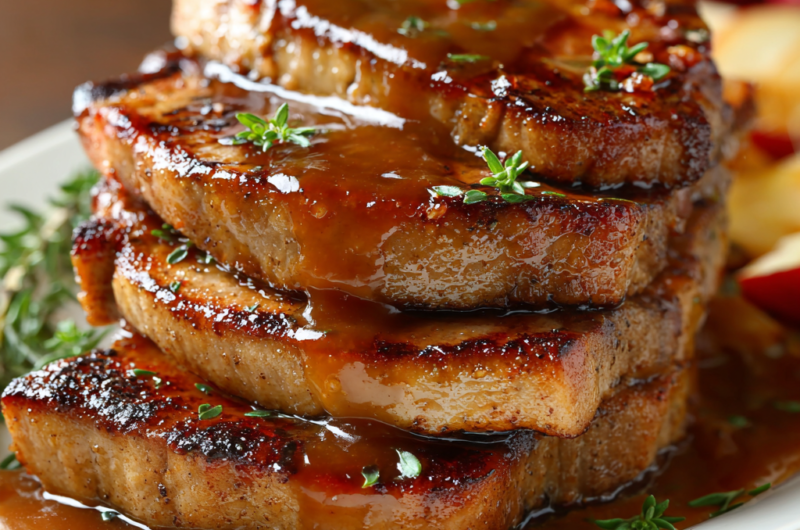
As the leaves begin to turn and the air carries a hint of crispness, there's something undeniably comforting about a warm, hearty meal. Apple cider braised pork chops are the epitome of autumnal flavors, merging the savory taste of pork with the sweet tang of apple cider. This dish is not only satisfying but fairly simple to prepare, making it an excellent choice for both weeknight dinners and special occasions.
The secret to achieving tender, flavorful pork chops lies in the braising process, where low and slow cooking allows the meat to absorb the spices and aromas. By simmering them in apple cider, you infuse a sweet yet slightly tart flavor that pairs beautifully with the savory pork. Whether served with mashed potatoes or seasonal vegetables, this dish is sure to become a family favorite.
Ingredients
- 4 bone-in pork chops (1-inch thick)
Bone-in pork chops offer more flavor and juiciness compared to boneless cuts. The bones help retain moisture during cooking, resulting in tender meat that melts in your mouth. - 1 cup apple cider
Apple cider not only adds a delightful sweetness but balances the savory flavors of the dish. Its acidity helps tenderize the meat and creates a delicious sauce. - 1 tablespoon olive oil
Used for searing the pork chops, olive oil ensures a rich, golden crust forms on the meat. Its monounsaturated fats contribute to the dish's heartiness. - 1 medium onion, sliced
Onions provide a natural sweetness and depth to the dish. When caramelized, they enhance the overall flavor and add a lovely texture to the sauce. - 2 sprigs fresh thyme
Fresh thyme imparts a subtle earthiness and floral aroma that perfectly complements the pork and cider. It adds complexity to the dish. - Salt and pepper to taste
Seasoning is crucial; salt enhances all the flavors, while pepper adds a hint of heat that balances the sweetness of the cider. - 1 tablespoon Dijon mustard
Dijon mustard introduces a sharp, tangy note that brightens the dish. Its acidity cuts through the richness of the pork, ensuring a well-rounded flavor.
Directions & Preparation
Step 1: Pat the pork chops dry and season with salt and pepper on both sides.
Drying the pork chops helps achieve a nice sear, while seasoning enhances flavor right from the start. It’s important to season generously since the seasoning will develop as the meat cooks.
Step 2: In a large, heavy-bottomed skillet, heat the olive oil over medium-high heat.
Heating the oil ensures a hot surface before adding the chops, which is essential for developing a savory crust. A heavy skillet like cast iron retains heat well, preventing sticking and burning.
Step 3: Sear the pork chops for about 4-5 minutes per side, until golden brown.
Searing caramelizes the natural sugars in the meat and adds a complex flavor profile. Avoid stirring the chops while they sear to ensure a crust forms, enhancing the overall taste.
Step 4: Remove the chops from the skillet and set aside on a plate.
Removing the pork allows the skillet to cool slightly before adding other ingredients, preventing them from burning and ensuring a balanced flavor.
Step 5: Add the sliced onion to the skillet and sauté until translucent, about 5 minutes.
Sautéing the onion in the remaining oil and drippings enhances its sweetness and flavor, creating a perfect base for the braising liquid. Stir regularly, scraping up the fond for extra taste.
Step 6: Stir in the apple cider, Dijon mustard, and thyme sprigs, scraping the bottom of the skillet to deglaze.
Deglazing incorporates all the caramelized bits stuck to the bottom of the pan into the sauce, enriching it with flavor. The combination of flavors creates a vibrant liquid to braise the pork.
Step 7: Return the pork chops to the skillet, nestling them in the liquid.
Nestling the chops allows them to absorb the flavors from the sauce as they cook. Covering the skillet helps lock in moisture, leading to tender meat.
Step 8: Bring the mixture to a gentle simmer, then reduce the heat to low and cover.
Simmering on low heat allows the pork to cook slowly and evenly, while the lid helps trap steam, keeping the meat juicy. This step is crucial for the tenderness of the chops.
Step 9: Cook for about 30-40 minutes, or until the pork is fork-tender.
Slow cooking breaks down tough muscle fibers, resulting in tender pork. It’s essential to check for tenderness periodically after 30 minutes to avoid overcooking.
Step 10: Remove the pork chops and allow them to rest before serving.
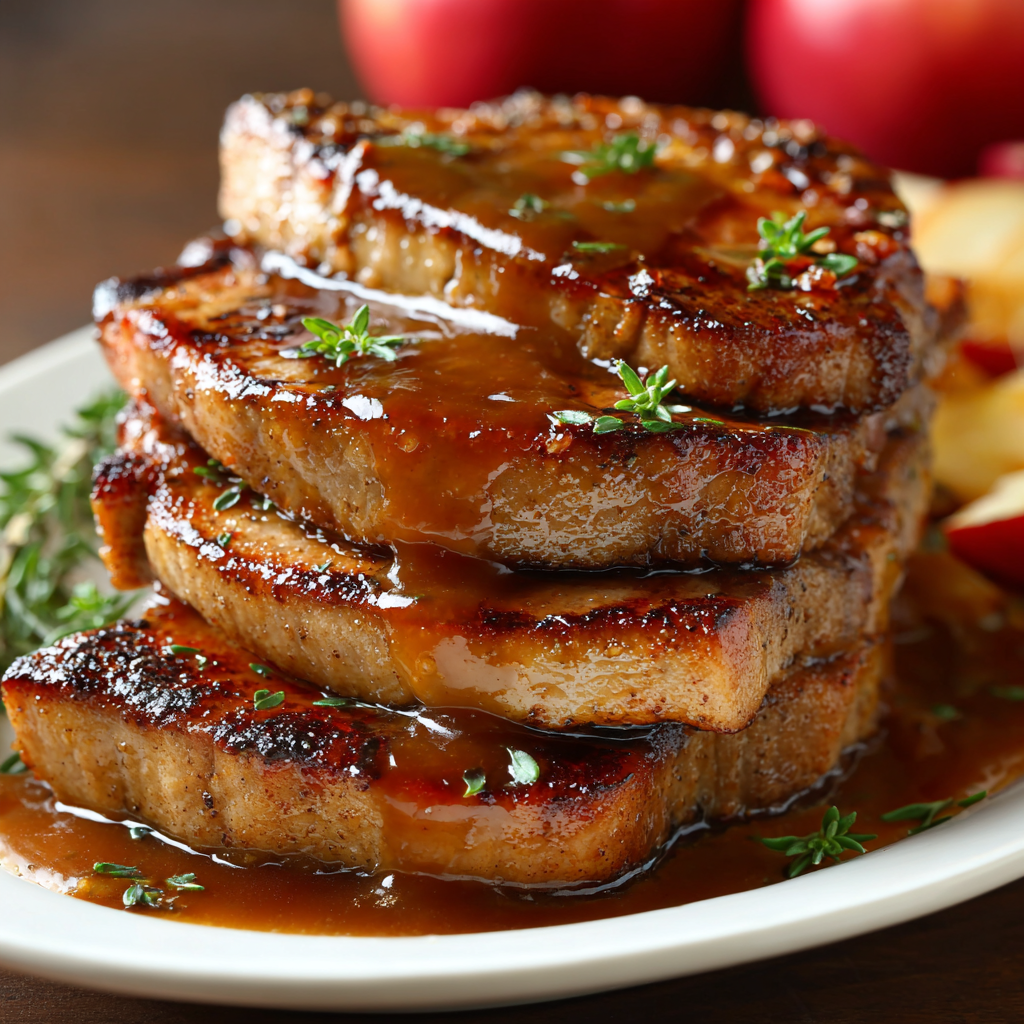
Resting the meat allows the juices to redistribute, ensuring each bite remains moist and flavorful. Serve the chops with the reduced sauce drizzled over them for an added punch.

Elevate Your Braising Game
Braising is not just a cooking method; it’s a way to infuse your meats with complex flavors while ensuring they remain juicy and tender. This technique takes advantage of low temperatures and moist environments, allowing proteins to break down and absorb aromas from ingredients like apple cider. Experimenting with different liquids or herbs can personalize this dish, transforming it from a simple recipe into a signature creation.
Pairing Suggestions for a Cozy Meal
Apple cider braised pork chops pair wonderfully with sides that complement their rich flavors. Consider serving them alongside creamy mashed potatoes or buttery roasted vegetables, which soak up the delicious sauce. A crisp green salad can also balance the meal, providing freshness and crunch. Additionally, a glass of hard apple cider or a light red wine can enhance the dining experience, tying the flavors together beautifully.
The Role of Fresh Herbs
Using fresh herbs in cooking adds vibrant flavor and aroma, elevating dishes from ordinary to exceptional. In this recipe, fresh thyme not only adds an aromatic quality but also enhances the natural taste of the pork. Exploring other herbs, such as rosemary or sage, can provide distinctive twists to seasonal dishes, making each meal feel unique and special.
FAQs
What can I do if my sauce is too thin?
If your sauce is too thin, remove the pork chops and simmer the sauce uncovered for a few extra minutes until it reduces and thickens to your liking. You can also mix a bit of cornstarch with water to create a slurry, then stir it into the sauce to thicken.
How can I adjust the recipe for larger portions?
To scale this recipe, simply increase the quantity of pork chops, cider, and other ingredients proportionately. Ensure you use a larger skillet, or cook in batches to maintain even cooking.
What if the pork chops taste bland?
If your pork chops turn out bland, ensure you season adequately with salt and pepper before and during cooking. You can also finish the dish with a splash of vinegar for acidity or a bit more mustard to enhance the flavor.
Can I use a different type of meat in this recipe?
While pork chops are ideal for braising, you can substitute with bone-in chicken thighs or a pork shoulder. Adjust cooking times accordingly, as different meats may require longer to become tender.
Is there a way to boost the sweetness of the dish?
To enhance sweetness, mix in a tablespoon of brown sugar or maple syrup into the cider before braising. This will deepen the flavors and complement the pork nicely.
What happens if I overcook the pork chops?
Overcooked pork chops can become tough and dry. To prevent this, monitor the cooking time closely, and consider using a meat thermometer to check for doneness at 145°F.
Conclusion
Apple cider braised pork chops embody the essence of seasonal cooking, where simplicity meets sophistication. The melding of flavors truly shines, making every bite a delightful experience. With easy preparation and thoughtful technique, you can create a beautifully cooked dish that comforts the soul and warms the heart.
This recipe invites creativity, so don’t hesitate to adjust ingredients and pairings to suit your taste. As you gather around the table to enjoy this hearty meal, relish in the joy of sharing great food with loved ones. Happy cooking!
Recipe Card
Perfectly Tender Apple Cider Braised Pork Chops
Ingredients
Method
- Pat the pork chops dry and season with salt and pepper on both sides.
- In a large, heavy-bottomed skillet, heat the olive oil over medium-high heat.
- Sear the pork chops for about 4-5 minutes per side, until golden brown.
- Remove the chops from the skillet and set aside on a plate.
- Add the sliced onion to the skillet and sauté until translucent, about 5 minutes.
- Stir in the apple cider, Dijon mustard, and thyme sprigs, scraping the bottom of the skillet to deglaze.
- Return the pork chops to the skillet, nestling them in the liquid.
- Bring the mixture to a gentle simmer, then reduce the heat to low and cover.
- Cook for about 30-40 minutes, or until the pork is fork-tender.
- Remove the pork chops and allow them to rest before serving.
Notes
Additional serving suggestions: pair with a crisp salad, garlic bread, or roasted seasonal vegetables for balance.
For make-ahead, prep components separately and assemble just before heating to preserve texture.
Taste and adjust with acid (lemon/vinegar) and salt right at the end to wake up flavors.