Introduction
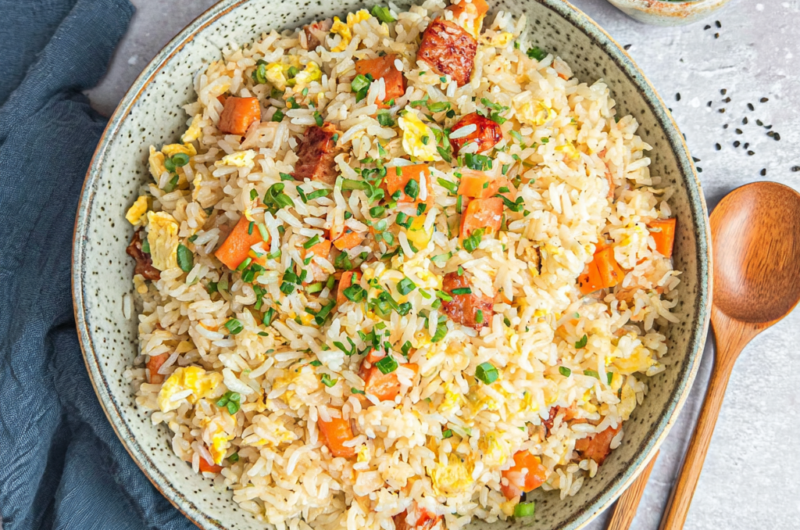
Pot Hibachi Fried Rice is an innovative twist on the traditional hibachi-style fare that many enjoy at Japanese steakhouses. This dish brings the vibrant flavors of soy sauce, fresh vegetables, and hearty rice into your home kitchen, making it perfect for a weeknight dinner or a comforting meal.
The beauty of this dish is its versatility. You can customize it with your favorite proteins, whether that's chicken, shrimp, or tofu, allowing everyone at the table to enjoy their preferred flavors. Plus, it’s quick to prepare, making it ideal for busy evenings when you want something satisfying without spending hours in the kitchen.
Ingredients
- 2 cups cooked jasmine rice
Jasmine rice has a light, floral aroma and fluffy texture, making it perfect for fried rice. Using cooked rice ensures that it can absorb flavors without becoming mushy. - 2 tablespoons vegetable oil
Vegetable oil has a high smoke point, which is crucial for achieving a nice sear on the veggies and protein. It also helps to prevent sticking during cooking. - 1 cup mixed vegetables (peas, carrots, corn)
Adding a vibrant mix of vegetables gives the dish color and nutrients, while contributing to the varied textures that make every bite interesting. - 3 green onions, chopped
Green onions add a fresh, mild onion flavor, and their vibrant color enhances the presentation of the dish. - 2 large eggs, beaten
Eggs introduce richness and protein to the dish while also helping to create a cohesive texture. They add a delicious creaminess when mixed in. - 3 tablespoons soy sauce
Soy sauce is key for flavor, providing a savory, umami kick to the rice. It's responsible for the dish's characteristic color and depth. - 1 tablespoon sesame oil
Sesame oil adds a nutty aroma and flavor that elevates the dish, giving it a distinct hibachi essence. A small amount goes a long way. - Salt and pepper to taste
Seasoning with salt and pepper ensures that all the individual ingredients harmonize together. It’s important to adjust according to your taste preferences.
Directions & Preparation
Step 1: Prepare your ingredients and workspace.
Before you start cooking, gather all your ingredients and tools. Having everything at hand allows for a smoother cooking process and helps prevent any mishaps—especially important when sautéing over high heat.
Step 2: Heat the vegetable oil in a large pot over medium-high heat.
Starting with the right temperature is crucial. Heating the oil until it's shimmering will allow the vegetables to sauté properly without becoming soggy. This stage sets the tone for the texture of the final dish.
Step 3: Add the mixed vegetables and stir-fry for 3–4 minutes until tender.
Stir-frying the vegetables enhances their flavors and colors. Cooking them just until tender ensures they retain some crunch, providing a satisfying bite in the finished dish.
Step 4: Push the vegetables to one side and add the beaten eggs, scrambling them until fully cooked.
By scrambling the eggs separately, you control their cooking perfectly; this method prevents them from becoming overcooked. Integrating the eggs with the vegetables allows for a more homogeneous mixture.
Step 5: Add the cooked rice to the pot and mix everything thoroughly.
Mixing in the cooked rice ensures that each grain is flavored and coated with the egg and vegetable mixture. This is the point where your dish starts to come together.
Step 6: Pour in the soy sauce and sesame oil, stirring well to combine.
Adding soy sauce and sesame oil at this stage infuses the rice with umami and depth. Ensure that all the rice gets a good coating for a balanced flavor throughout.
Step 7: Season with salt and pepper, adjusting to your taste preferences.
Tasting your dish before serving allows you to adjust seasoning levels, ensuring it suits your palate. This final step turns a good fried rice into a great one.
Step 8: Transfer to a serving dish and garnish with chopped green onions.
Garnishing with green onions at the end adds a fresh touch and visual appeal. It’s also a final layer of flavor that contrasts beautifully with the rich rice.

The Importance of Using Cold Rice
Using cold, day-old rice is ideal for fried rice dishes like Pot Hibachi Fried Rice. Freshly cooked rice tends to be too moist, leading to a clumpy texture when stir-fried. Cold rice has dried out slightly, allowing it to separate better during cooking and absorb flavors without becoming mushy.
Customization Options for Dietary Preferences
This dish is highly customizable, allowing you to adapt it to different dietary needs. You can swap traditional proteins for plant-based options like tofu or tempeh, and incorporate seasonal vegetables for added nutrition. These adaptations ensure that the dish can be enjoyed by everyone at the table.
Exploring Flavor Enhancements
Consider experimenting with additional flavor enhancers such as ginger, garlic, or even sriracha for a spicy kick. Each of these ingredients can elevate your Pot Hibachi Fried Rice, adding layers of complexity that can transform a simple recipe into a standout meal.
FAQs
What can I do if the fried rice is too dry?
If your fried rice turns out too dry, you can add a splash of water or additional soy sauce while cooking. Stir it in and allow it to warm through.
How can I prevent my fried rice from sticking together?
To prevent sticking, ensure you use cold, cooked rice and avoid overcooking it. Stirring the rice constantly while frying helps maintain its separate grains.
What if I want to make a vegetarian version?
You can easily prepare a vegetarian version by omitting any meat and adding more vegetables or plant-based proteins like tofu or edamame for additional texture and nutrition.
How do I make it a one-pan meal?
To create a one-pan meal, add your choice of diced proteins such as chicken or shrimp before the vegetables. Cook them through, then continue with the additional steps.
What can I serve on the side with this dish?
This Pot Hibachi Fried Rice pairs well with a simple side salad dressed in sesame vinaigrette or a light miso soup for a comforting meal experience.
How can I adjust this dish for a larger group?
To scale this recipe, simply multiply each ingredient amount by the number of servings you need. Keep the cooking times roughly the same, but consider cooking in batches if your pot cannot accommodate the increased volume.
Conclusion
Pot Hibachi Fried Rice is not only a delicious and satisfying meal but also a fantastic way to practice your cooking skills. With its bold flavors and delightful textures, it’s sure to impress anyone you serve it to.
Feel free to experiment with the ingredients, making this dish your own. The versatility allows you to be creative—whether you prefer extra vegetables, a spicier profile, or different proteins, the choice is yours. Enjoy the journey of cooking and savor every bite!
Recipe Card
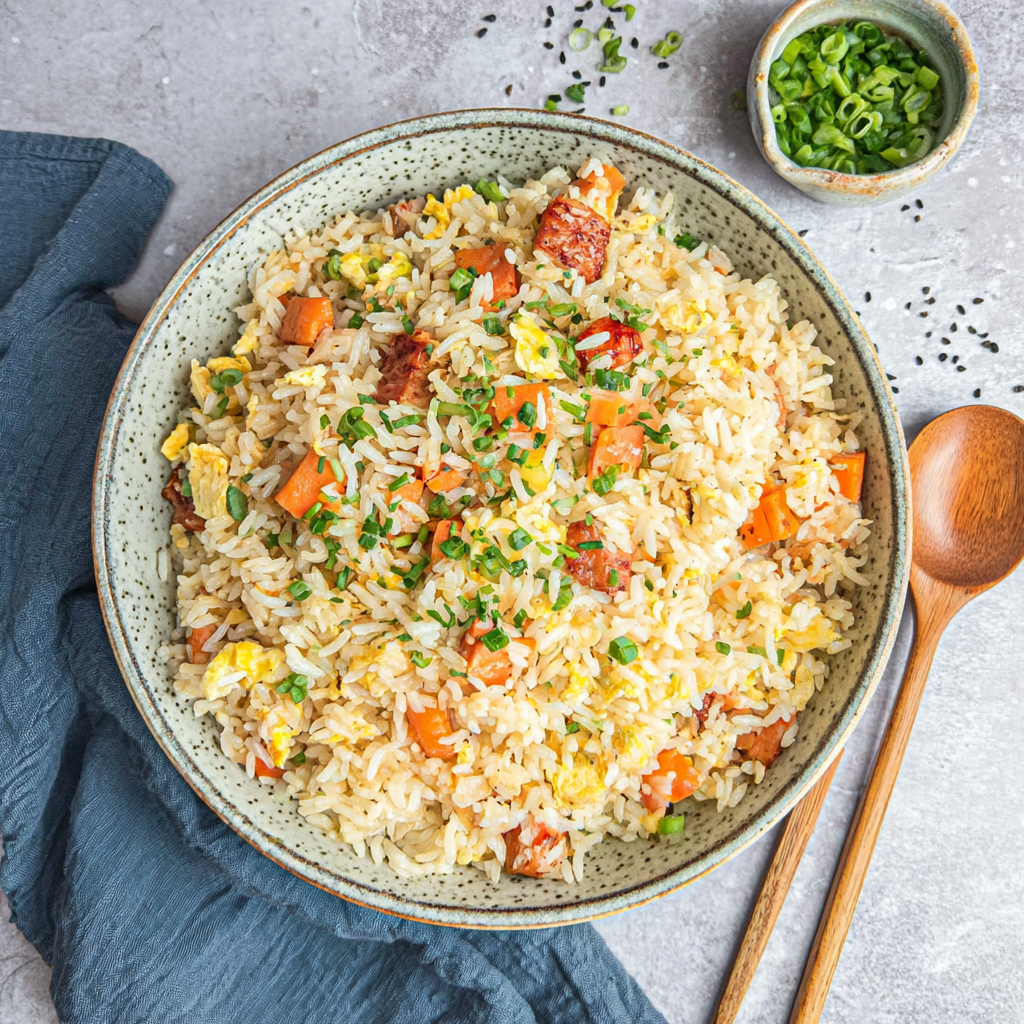
Experience the Flavor of Pot Hibachi Fried Rice
Ingredients
Method
- Prepare your ingredients and workspace.
- Heat the vegetable oil in a large pot over medium-high heat.
- Add the mixed vegetables and stir-fry for 3–4 minutes until tender.
- Push the vegetables to one side and add the beaten eggs, scrambling them until fully cooked.
- Add the cooked rice to the pot and mix everything thoroughly.
- Pour in the soy sauce and sesame oil, stirring well to combine.
- Season with salt and pepper, adjusting to your taste preferences.
- Transfer to a serving dish and garnish with chopped green onions.
Notes
Additional serving suggestions: pair with a crisp salad, garlic bread, or roasted seasonal vegetables for balance.
For make-ahead, prep components separately and assemble just before heating to preserve texture.
Taste and adjust with acid (lemon/vinegar) and salt right at the end to wake up flavors.


