Introduction
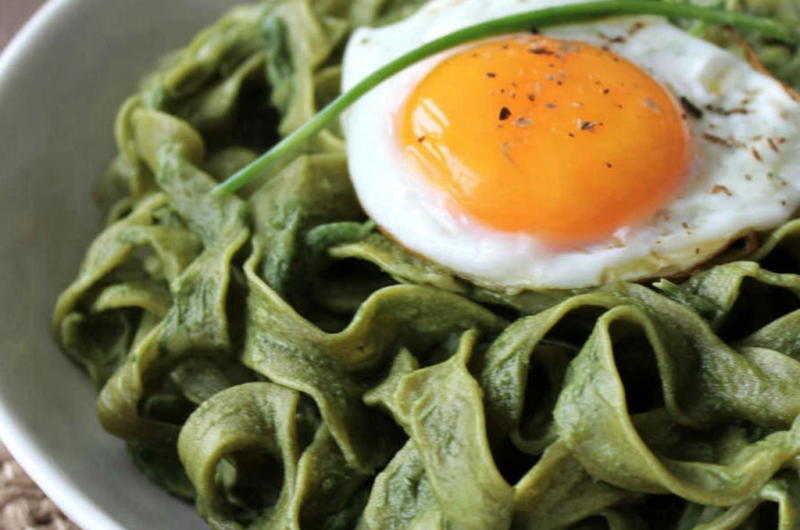
Dandelion greens are often overlooked, but they bring a burst of flavor and nutrition to any dish. By incorporating them into homemade egg noodles, you not only enhance the taste but also create a vibrant and healthful alternative to the usual pasta. These dandelion egg noodles are perfect for a fresh twist on traditional recipes.
The process of making noodles from scratch might seem daunting at first, but this recipe guides you through each step with ease. With simple ingredients and a bit of patience, you'll soon enjoy these delightful noodles, whether paired with a savory sauce or tossed in a light dressing. Let's dive in and explore the delicious world of dandelion egg noodles!
Ingredients
- 2 cups all-purpose flour
Flour forms the backbone of the noodles, providing structure and chewiness. It's important to choose a good quality all-purpose flour for the best results, as it influences the texture and elasticity of the noodles. - 1 cup fresh dandelion greens, chopped
Dandelion greens add a vibrant color and unique, slightly bitter flavor to the noodles, balancing the richness of the egg. They are also packed with vitamins A, C, and K, adding nutritional benefits. - 2 large eggs
Eggs are crucial for binding the ingredients together, contributing moisture and richness to the dough. They help create a tender noodle while adding a beautiful color. - 1 teaspoon salt
Salt enhances the overall flavor of the noodles. It’s essential to season the dough properly, as it helps to bring out the natural flavors of the dandelion greens and flour. - Water as needed
Adding water helps to achieve the desired dough consistency. The exact amount needed can vary based on the humidity and the flour used, so it’s important to add it gradually.
Directions & Preparation
Step 1: Prepare the dandelion greens.
Begin by rinsing the dandelion greens thoroughly to remove any dirt or grit. Once clean, chop them finely and set aside. This step is vital as it ensures that your noodles have the freshest taste and that any bitter flavors are balanced in the final dish.
Step 2: Mix the dry ingredients.
In a large mixing bowl, combine the flour and salt. Whisking them together helps to evenly distribute the salt and prepare the flour to hold onto moisture effectively. This foundational mix sets the tone for the overall texture of your noodles.
Step 3: Add the eggs and dandelion greens.
Create a well in the center of the flour mixture and crack the eggs into the well. Add in the chopped dandelion greens. Using a fork, beat the eggs gently and gradually incorporate the flour until a shaggy dough forms. This ensures that the egg flavor melds well with the greens and flour.
Step 4: Knead the dough.
Transfer the dough to a lightly floured surface and knead it for about 5-7 minutes until it becomes smooth and elastic. This step develops gluten in the dough, which is crucial for achieving that perfect noodle texture. If the dough feels too sticky, sprinkle in a bit more flour as you knead.
Step 5: Rest the dough.
Wrap the kneaded dough in plastic wrap or cover it with a damp cloth, allowing it to rest for at least 30 minutes. Resting is essential as it relaxes the gluten, making it easier to roll out the dough thinly and evenly without snapping back.
Step 6: Roll out the dough.
Divide the rested dough into smaller portions for easier handling. Roll each piece out on a floured surface until very thin, about 1/16 inch thick. The thinner the dough, the more delicate your noodles will be, giving a light texture that complements various entrees.
Step 7: Cut the noodles.
Using a sharp knife or a pasta cutter, slice the rolled-out dough into your desired noodle shape, whether fettuccine, tagliatelle, or another favorite. Dust the cut noodles with flour to prevent them from sticking together. This shaping step allows for versatility in presentations and pairings.
Step 8: Cook the noodles.
Bring a large pot of salted water to boil. Add the noodles and cook for 2-4 minutes, depending on the thickness. Fresh noodles cook quickly, so it’s crucial to keep an eye on them to avoid overcooking and losing that delightful texture you've worked to create.
Step 9: Drain and serve.
Once cooked, drain the noodles in a colander and toss them lightly with olive oil or your preferred sauce to enhance flavor and prevent sticking. This final step transforms your freshly made noodles into a culinary masterpiece, ready to be dressed up with sauces, or simply enjoyed on their own.

The Nutritional Power of Dandelions
Dandelion greens, often regarded as weeds, are a treasure trove of nutrients. Rich in vitamins A, C, and K, they also contain antioxidants that may support overall health. Adding them to your egg noodles not only enhances flavor but also boosts their nutritional profile, making each serving a delicious step toward healthier eating.
Perfect Pairings for Dandelion Noodles
These dandelion egg noodles serve as a versatile base for various dishes. Consider tossing them with a light garlic and olive oil sauce, a fresh tomato basil sauce, or even a creamy Alfredo for a richer taste. Complement with sautéed vegetables or grilled chicken to create satisfying, well-rounded meals.
Experimenting with Flavors
Feel free to experiment by adding different herbs or spices to enhance the flavor of your dough. Options like garlic powder, parsley, or even a pinch of nutmeg can elevate the flavor profile further. Such experimentation allows for endless creativity in the kitchen while personalizing the dish to your tastes.
FAQs
Why are my noodles too thick?
If your noodles turn out too thick, it may be due to not rolling the dough thin enough before cutting. Ensure to roll the dough to about 1/16 of an inch thickness for optimal texture.
Can I use whole wheat flour instead of all-purpose flour?
Yes, you can substitute whole wheat flour for all-purpose flour. However, the texture might be denser, and you may need to add a bit more water to achieve the right consistency.
What should I do if the noodles taste bland?
If your noodles taste bland, consider adding more salt to the dough or enhancing them with a flavorful sauce or garnish after cooking. A sprinkle of parmesan or fresh herbs can also elevate the taste dramatically.
How can I ensure my noodles don't stick together after cutting?
Dust your cut noodles with flour immediately after slicing. This helps to prevent them from sticking together while waiting to be cooked.
What’s the best way to serve these noodles hot?
For the best experience, serve the noodles immediately after cooking with a drizzle of olive oil, a light sauce, or freshly grated cheese. This ensures they retain their texture and warmth.
Can I add other vegetables to the noodles?
Absolutely! You can enhance the noodles by incorporating other finely chopped vegetables, like spinach or herbs, right into the dough for added color and flavor.
Conclusion
Dandelion egg noodles offer a unique and refreshing take on traditional pasta, transforming everyday meals into gourmet experiences. With their vibrant look and subtle flavors, you’ll be surprised how easily they lift your dishes to new heights.
By experimenting with ingredients and sauces, these noodles can become a staple in your kitchen, allowing you to get creative while enjoying the benefits of a nutritious meal. Embrace the journey of making homemade pasta, and savor the delight of every bite!
Recipe Card
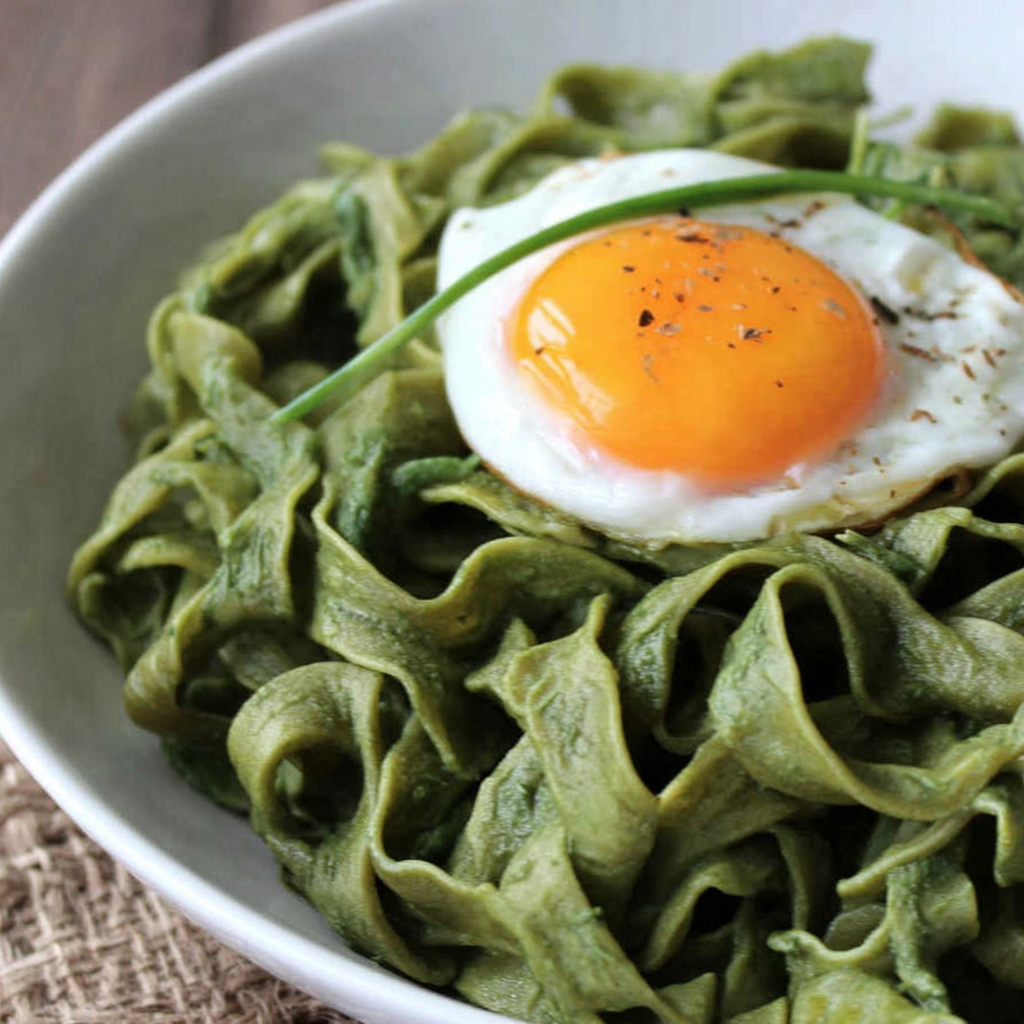
Elevate Your Pasta with Dandelion Egg Noodles
Ingredients
Method
- Prepare the dandelion greens.
- Mix the dry ingredients.
- Add the eggs and dandelion greens.
- Knead the dough.
- Rest the dough.
- Roll out the dough.
- Cut the noodles.
- Cook the noodles.
- Drain and serve.
Notes
Additional serving suggestions: pair with a crisp salad, garlic bread, or roasted seasonal vegetables for balance.
For make-ahead, prep components separately and assemble just before heating to preserve texture.
Taste and adjust with acid (lemon/vinegar) and salt right at the end to wake up flavors.