Introduction
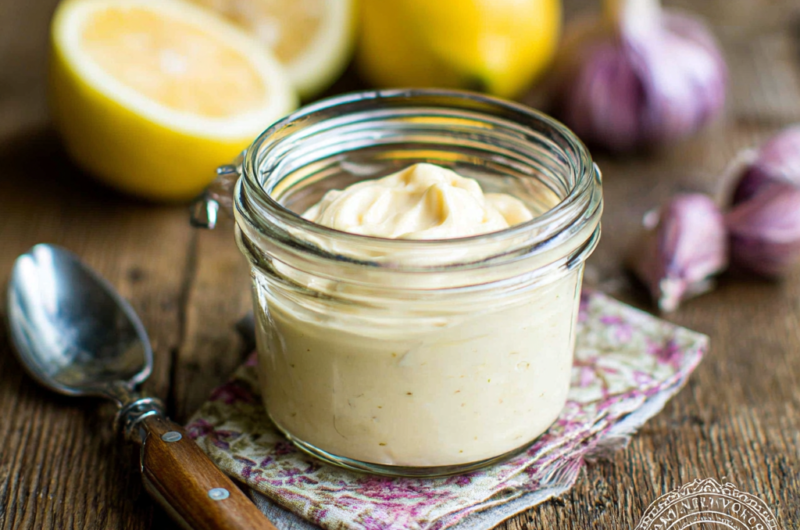
Homemade mayonnaise is a culinary staple that elevates countless dishes. Unlike store-bought versions, it offers a fresh, rich flavor and a customizable texture that can enhance everything from sandwiches to salads.
Making mayonnaise at home may seem intimidating, but it can be a rewarding experience. With just a few simple ingredients and techniques, you can create a condiment that's both delicious and healthier than many commercial options.
This article explores the art of homemade mayonnaise, discussing the essential ingredients, straightforward preparation steps, and variations to suit your taste. Embrace your inner chef and discover the joy of crafting this creamy delight from scratch.
Ingredients
- 1 large egg
The egg serves as the base for mayonnaise, providing emulsification properties that combine oil and vinegar. Its proteins help stabilize the mixture, resulting in a creamy and thick texture. - 1 tablespoon Dijon mustard
Dijon mustard adds a subtle tang and depth to the mayonnaise while enhancing its emulsifying ability. The mustard also contributes to the final flavor profile, making it more complex. - 1 tablespoon white vinegar or lemon juice
Vinegar or lemon juice imparts acidity, which balances the richness of the mayonnaise. The acidity also plays a crucial role in the emulsification process, ensuring the mixture remains stable. - 1 cup neutral oil (such as canola or grapeseed)
The oil is the primary ingredient that gives mayonnaise its characteristic richness and creaminess. Choosing a neutral oil allows the other flavors to shine while avoiding overpowering the delicate taste. - Salt (to taste)
Salt enhances all the flavors in the mayonnaise. Adding it in moderation is crucial, as it can bring out the other ingredients without overwhelming the overall balance.
Directions & Preparation
Step 1: Begin by preparing your equipment and ingredients.
Gather a high-speed blender or food processor and ensure it's clean and dry to facilitate emulsification. Bring all ingredients to room temperature before starting; this allows for optimal blending and stability.
Step 2: Add the egg, Dijon mustard, and vinegar (or lemon juice) into the blender jar.
These ingredients form the base of your mayonnaise. The egg provides the emulsifying properties, while mustard and vinegar add flavor and stability. Blend these for about 10-15 seconds until well combined.
Step 3: Start blending on a low speed, gradually incorporating the oil.
With the blender running, very slowly drizzle in the oil. This slow addition is vital for proper emulsification, allowing the egg mixture to absorb the oil properly. A too-quick addition can lead to separation.
Step 4: Continue blending until the mayonnaise thickens and emulsifies.
After about a minute or so of gradually adding the oil, the mixture should begin to thicken. This is your cue that the emulsification is successful. If it appears too thin, continue blending and slowly adding more oil until you achieve the desired consistency.
Step 5: Season the mayonnaise with salt to taste.
Once the mayonnaise has reached the right thickness, stop the blender to avoid over-processing. Taste the mixture and adjust the seasoning as necessary, enhancing the overall flavor profile without compromising the balance.
Step 6: Transfer the mayonnaise to a clean jar and refrigerate.
Carefully scoop the mayonnaise into an airtight container, ensuring it's sealed well to maintain freshness. Store in the refrigerator, as the raw egg means it should be used within a week for the best flavor and safety.

Infusing Flavors into Your Mayonnaise
One of the most enjoyable aspects of making mayonnaise at home is the opportunity to infuse various flavors. Consider adding minced garlic for a classic aioli, or blending in fresh herbs like basil or dill to create a unique herbaceous spread. By experimenting with spices, citrus zest, or even a dash of hot sauce, you can tailor your mayonnaise to complement any dish.
Troubleshooting Common Emulsification Issues
If your mayonnaise fails to emulsify correctly and appears runny, don't panic. This can happen if the oil was added too quickly or if ingredients were not at room temperature. In such cases, you can rescue the mayo by starting with a new egg in a clean bowl, then slowly incorporating the broken mayonnaise mixture until it re-emulsifies.
Beyond Traditional Uses for Mayonnaise
While the classic application of mayonnaise is enhancing sandwiches and salads, its uses extend far beyond that. It can serve as a base for creamy dressings, a binding agent in dips, or even as a secret ingredient in baked goods to add moisture. This flexibility makes homemade mayonnaise an indispensable component in any kitchen.
FAQs
What should I do if my mayonnaise is too thick?
If your mayonnaise is thicker than desired, simply whisk in a teaspoon of water or extra lemon juice to loosen it to your preferred consistency without compromising flavor.
Can I substitute other types of oil?
Yes, you can use flavored oils like olive oil for a more robust taste. However, be mindful that strong oils can overpower the overall flavor of the mayonnaise, so a blend of oils might work best.
Is it possible to use pasteurized eggs instead?
Absolutely! Using pasteurized eggs is a safe choice that can reduce the risk of foodborne illness while still allowing you to enjoy the rich texture and flavor of homemade mayonnaise.
How can I adjust the sharpness of my mayonnaise?
If you find your mayonnaise too tangy, it might be due to an excess of vinegar or lemon juice. Tame the flavor by adding a teaspoon or two of sugar, which can help balance out the acidity.
What if my mayonnaise separates after a few days?
Separation can occur if the mayonnaise isn't stored well or if temperature changes happen. A quick re-blend can revive it; just whisk together in a bowl and add a little water if necessary.
Can I experiment with flavored mayonnaises?
Definitely! You can infuse flavors like sriracha, curry powder, or roasted garlic into your mayonnaise to create various dips and spreads that fit different cuisines and dishes.
Conclusion
Creating homemade mayonnaise is an achievable and gratifying culinary venture. The rich flavor and customizable nature of this condiment make it a perfect addition to any meal.
With simple ingredients and a bit of care, you can elevate your dishes and impress your family and friends. So roll up your sleeves and start whipping up your very own mayonnaise!
Recipe Card
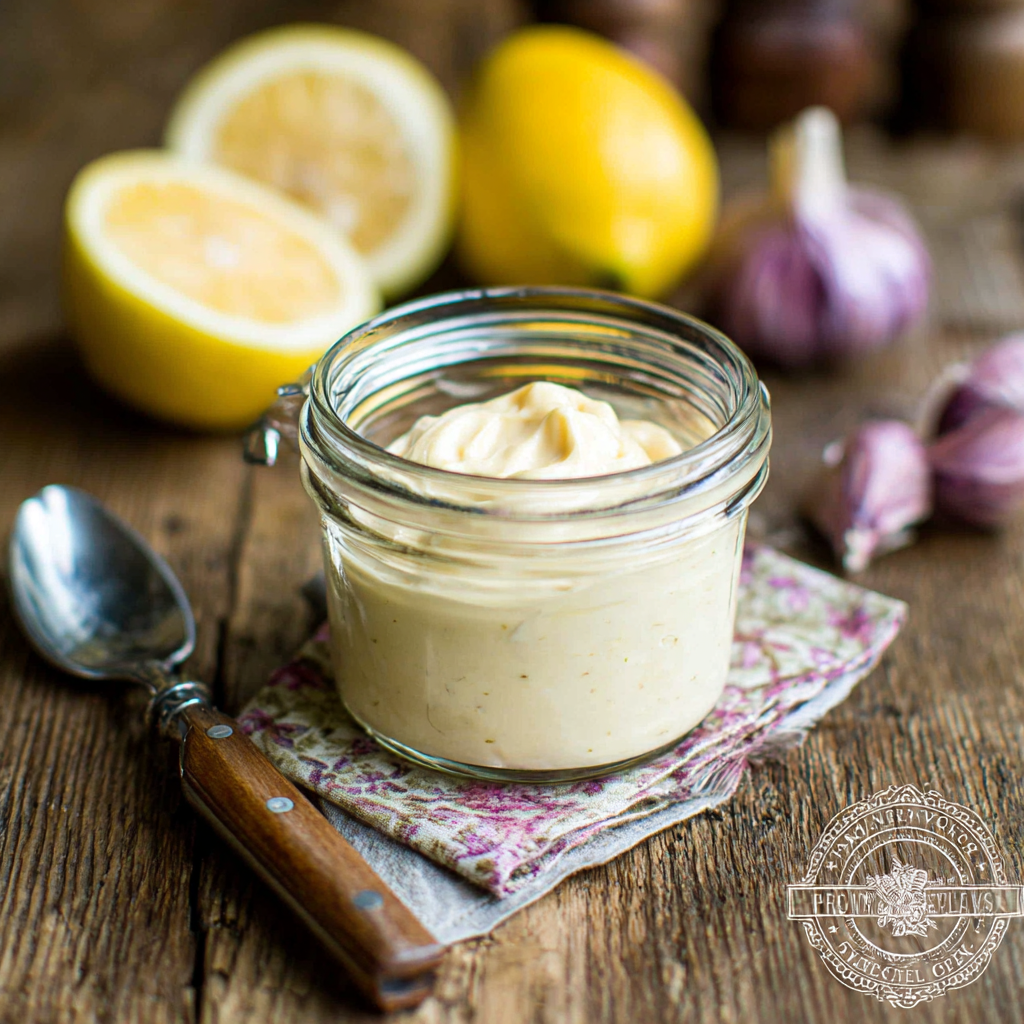
Crafting Rich and Creamy Homemade Mayonnaise
Ingredients
Method
- Begin by preparing your equipment and ingredients.
- Add the egg, Dijon mustard, and vinegar (or lemon juice) into the blender jar.
- Start blending on a low speed, gradually incorporating the oil.
- Continue blending until the mayonnaise thickens and emulsifies.
- Season the mayonnaise with salt to taste.
- Transfer the mayonnaise to a clean jar and refrigerate.
Notes
Additional serving suggestions: pair with a crisp salad, garlic bread, or roasted seasonal vegetables for balance.
For make-ahead, prep components separately and assemble just before heating to preserve texture.
Taste and adjust with acid (lemon/vinegar) and salt right at the end to wake up flavors.