Introduction
Infusing vinegar with dandelion flowers transforms a simple pantry staple into a vibrant culinary delight. This process not only captures the essence of these bright yellow blooms but also harnesses their slightly bitter, floral flavor. Ideal for salad dressings, marinades, or a splash in sauces, dandelion infused vinegar is a versatile addition to your cooking repertoire.
Dandelion flowers are often seen as mere weeds, but their culinary potential is stunning. Rich in vitamins A, C, and K, these blooms offer not only flavor but also health benefits. As you create this infusion, you're engaging with nature’s bounty while embracing a creative approach to homemade condiments.
Ingredients
- 2 cups dandelion flowers (fresh)
Freshly picked dandelion flowers provide the primary flavor and aroma for the vinegar. They contribute a subtle sweetness with a slight bitterness, contrasting beautifully with the acidity of vinegar. - 2 cups white wine vinegar
White wine vinegar is chosen for its clean taste, which allows the delicate flavors of the dandelion to shine. The acidity of the vinegar is essential for the extraction process, ensuring that the infusion captures the essence of the flowers. - 1 tablespoon sea salt
Sea salt helps to draw out moisture from the dandelion flowers and enhances the overall flavor profile of the vinegar. It also acts as a mild preservative, helping to improve the shelf stability of your infusion. - 1 tablespoon honey (optional)
Honey adds a touch of natural sweetness to counterbalance the dandelion's bitterness. This is optional but recommended for those who enjoy a hint of sweetness in their vinegars, creating a more rounded flavor.
Directions & Preparation
Step 1: Harvest the dandelion flowers
Begin by gathering fresh dandelion flowers, preferably on a dry day to avoid moisture. Look for bright, fully opened blooms and avoid any with signs of wilting or browning. Use scissors to snip the flowers from the stem, ensuring you leave the leaves intact. This step is crucial as the quality and freshness of the flowers directly influence the flavor of your infused vinegar.
Step 2: Rinse and clean the flowers
Once you have your dandelion flowers, rinse them gently under cool water to remove any dirt or small insects. Be careful not to bruise the flowers, as this could alter their flavor. A gentle wash ensures the infusion starts clean, preserving the pure essence of the flowers in the vinegar.
Step 3: Combine ingredients in a jar
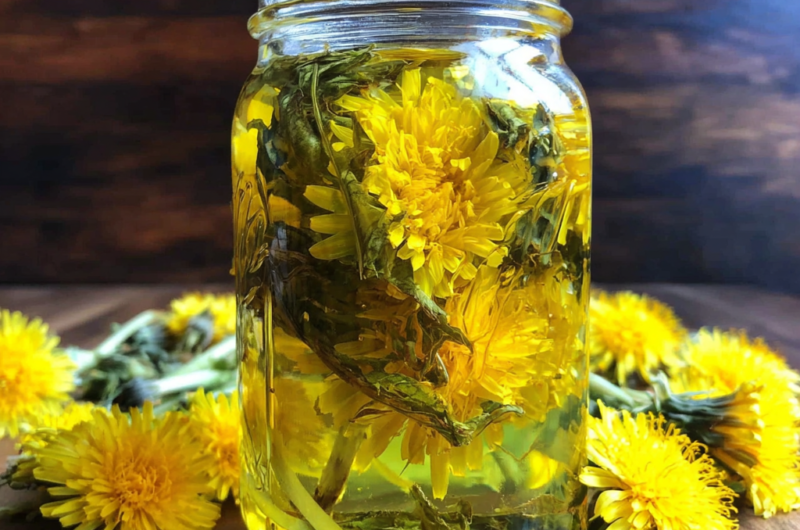
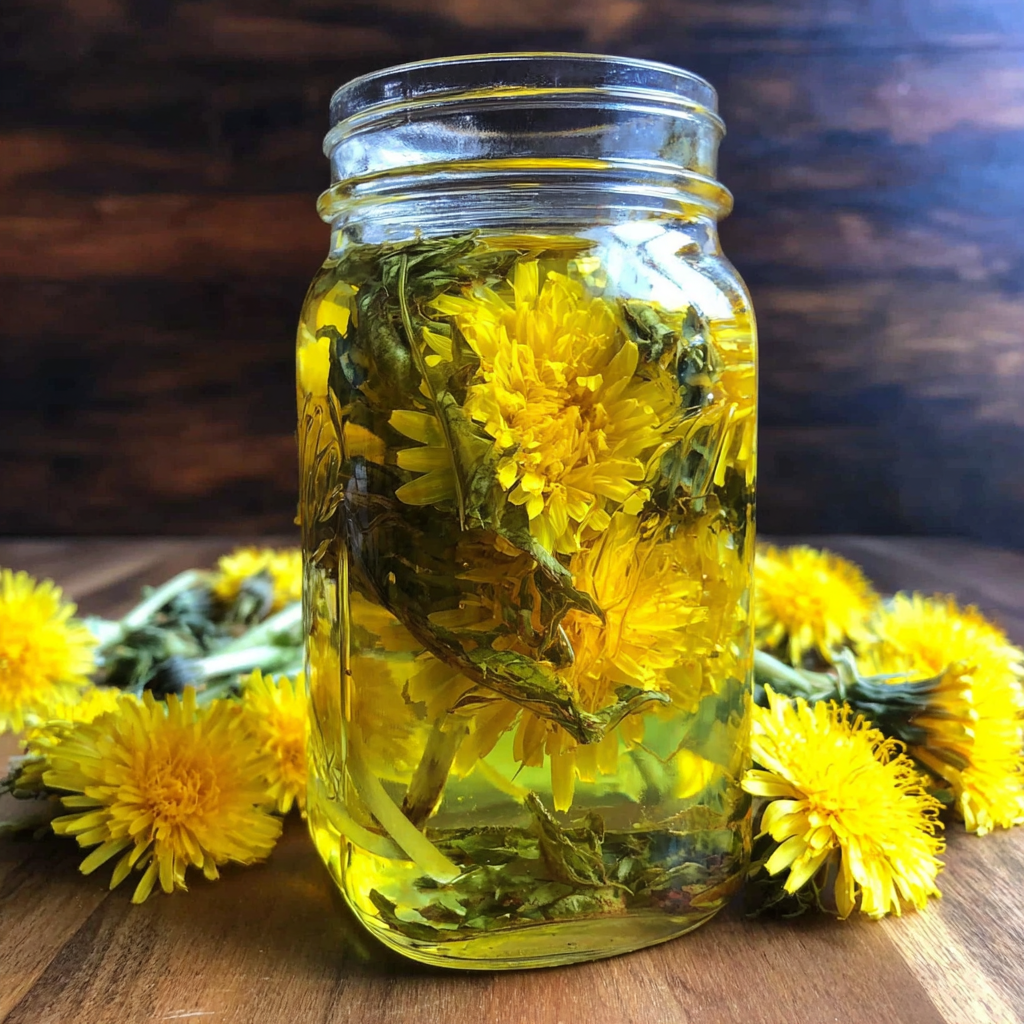
In a sterilized glass jar, layer the dandelion flowers, salt, and optional honey. Pour the white wine vinegar over the top, fully submerging the flowers. This step is vital for maximizing flavor extraction during the infusion process. Closing the jar tightly helps to prevent contamination and allows the flavors to meld.
Step 4: Infuse for two weeks
Place the jar in a cool, dark place and allow it to infuse for at least two weeks, shaking it gently every few days. This period allows the flavors of the dandelion flowers to permeate the vinegar thoroughly. Keep it out of direct sunlight to prevent degradation of flavors and colors.
Step 5: Strain and bottle the infused vinegar
After the infusion period, strain the vinegar through a fine mesh sieve or cheesecloth to remove the dandelion flowers. This is an important step as it separates the infused vinegar from solids, resulting in a smooth, clear liquid that is ready for use. Transfer the strained vinegar into a clean glass bottle for storage.
Step 6: Label and store the vinegar
Label your bottle with the date and contents for easy identification. Store the dandelion infused vinegar in a cool, dark place or in the refrigerator to extend its shelf life. This final step ensures that your creation remains fresh and flavorful for all your culinary needs.

Unique Flavor Pairings for Dandelion Vinegar
Dandelion infused vinegar brings a unique combination of flavors that lend themselves beautifully to various dishes. Use it in vinaigrettes paired with mustard and shallots for a dazzling salad dressing. It also complements roasted vegetables or grilled meats, adding a zingy note that balances richness. Experiment with using it in soups or sauces where a splash of bright acidity can lift the dish.
The Health Benefits of Dandelions
Beyond its culinary appeal, dandelion is celebrated for its health benefits. Rich in antioxidants and vitamins, it can aid digestion and support liver health. The infusion process captures not only the flavor but also some of the beneficial properties, making your cooking not only delicious but health-conscious. Incorporating dandelions into your diet is a great way to embrace seasonal foraging.
Creative Uses Beyond the Kitchen
Dandelion infused vinegar can extend its reach beyond culinary applications. Consider using it as a base for household cleaners, leveraging its natural antibacterial properties. Diluting it with water creates an eco-friendly cleaner ideal for surfaces. Furthermore, the beautiful amber color adds a touch of elegance to homemade gifts, perfect for friends who appreciate culinary experimentation.
FAQs
What to do if the vinegar tastes too bitter?
If the vinegar is too bitter, consider reducing the number of dandelion flowers next time or infusing for a shorter duration. You might also balance the bitterness with a bit more honey.
Can I substitute the vinegar used for infusion?
Yes, you can use apple cider vinegar for a different flavor profile, though it may impart a more pronounced taste compared to the more neutral white wine vinegar.
Are there any alternatives for fresh dandelions?
If fresh dandelions are unavailable, you may explore purchasing dried dandelion flowers from herbal shops, noting that the infusion time may need adjustment.
What to do if the infused vinegar has sediment?
Sediment is normal in homemade infusions. If it bothers you, simply strain the vinegar again through a coffee filter to achieve a clearer liquid.
Does dandelion vinegar pair well with any specific cuisine?
Dandelion infused vinegar pairs excellently with Mediterranean cuisine, enhancing dishes like roasted vegetables, Greek salads, and grilled fish.
Can I make a smaller batch of dandelion vinegar?
Absolutely! To make a smaller batch, simply halve the quantities used while maintaining the same ratio of dandelion flowers to vinegar.
Conclusion
Creating dandelion infused vinegar offers a delightful opportunity to explore the culinary potential of this often-overlooked flower. Each bottle captures the unique essence of dandelions, allowing home cooks to elevate their dishes with a touch of creativity and healthfulness.
As you experiment with this infusion, remember that part of the joy is in customization. Adjust flavors to your liking and, most importantly, enjoy the process of making something new from nature's offerings.
Recipe Card
Flavorful Dandelion Infused Vinegar Recipe
Ingredients
Method
- Harvest the dandelion flowers
- Rinse and clean the flowers
- Combine ingredients in a jar
- Infuse for two weeks
- Strain and bottle the infused vinegar
- Label and store the vinegar
Notes
Additional serving suggestions: pair with a crisp salad, garlic bread, or roasted seasonal vegetables for balance.
For make-ahead, prep components separately and assemble just before heating to preserve texture.
Taste and adjust with acid (lemon/vinegar) and salt right at the end to wake up flavors.