Introduction
The rich tradition of Irish baking offers countless delights, with Irish pound cake standing out for its lush texture and simple elegance. Known for its buttery flavor and satisfying crumb, this cake is a staple in many homes across Ireland and further afield, cherished for both special occasions and everyday enjoyment.
Unlike other desserts that can demand elaborate techniques, Irish pound cake embraces the philosophy of making the most with the least. Its basic ingredients come together to create a comforting treat that can be tailored to suit any palate or occasion, making it a beloved choice for home bakers.
Ingredients
- 1 cup unsalted butter, softened
Butter adds a rich flavor and tenderness to the cake, helping to create that classic pound cake texture. Softening it allows for better incorporation with sugar, resulting in a fluffy batter. - 2 cups granulated sugar
Sugar sweetens the cake and contributes to its moisture. It also plays a crucial role in the creaming process, where it helps to aerate the batter for a light and fluffy cake. - 4 large eggs
Eggs act as a binding agent, providing structure and stability to the cake. They also contribute moisture and richness, which enhances the overall flavor and texture. - 2 cups all-purpose flour
Flour provides the base of the cake, giving it structure. The gluten in the flour helps the cake rise while keeping it stable, creating that delicious, dense crumb. - 1 teaspoon baking powder
Baking powder is a leavening agent that helps the cake rise during baking. It ensures a light and airy texture by creating bubbles of carbon dioxide within the batter. - 1 teaspoon vanilla extract
Vanilla extract enhances the flavor profile of the cake, bringing forth a warm, aromatic quality that pairs beautifully with the buttery notes. - 1/2 teaspoon salt
Salt is essential in baking, as it helps to balance sweetness and enhance the overall flavors in the cake. It also strengthens the dough, contributing to the cake's structure.
Directions & Preparation
Step 1: Preheat your oven to 350°F (175°C).
Preheating the oven is a vital first step; it ensures that the cake bakes evenly from the moment it enters the oven. This temperature is ideal for pound cake, allowing it to rise properly while developing a lovely golden crust.
Step 2: Grease and flour a 9×5-inch loaf pan.
Properly greasing and flouring the baking pan prevents the cake from sticking and ensures easy removal once baked. The flour creates a barrier between the batter and the pan, allowing for a smooth release.
Step 3: In a mixing bowl, cream together the butter and sugar until light and fluffy.
Creaming the butter and sugar is critical for achieving the right texture. This process introduces air into the batter, making it lighter and assisting in the cake's rise. Aim for a pale, fluffy mixture as a visual cue that this step is complete.
Step 4: Add the eggs, one at a time, beating well after each addition.
Incorporating the eggs gradually allows each one to blend fully into the mixture, adding moisture and structure. Watch for a creamy consistency developing; this indicates that the batter is well mixed and ready for the dry ingredients.
Step 5: In another bowl, whisk together the flour, baking powder, and salt.
This step ensures that the leavening agent and salt are evenly distributed throughout the flour. If combined directly with the mixture afterward, uneven distribution can lead to inconsistent rising and flavor throughout the cake.
Step 6: Gradually add the dry ingredients to the wet mixture, mixing until just combined.
Overmixing at this stage can lead to a dense or tough cake. It's key to stop mixing as soon as there are no visible streaks of flour, ensuring a tender crumb without overdeveloping the gluten.
Step 7: Stir in the vanilla extract.
Adding vanilla at this point allows its flavor to fully integrate into the batter, enhancing the overall taste of the cake. It complements the richness of the butter beautifully and elevates the dish.
Step 8: Pour the batter into the prepared loaf pan, smoothing the top with a spatula.
Smoothening the top ensures that the batter cooks evenly and forms a nice, level surface. This presentation factor is important for both appearance and even baking.
Step 9: Bake in the preheated oven for 60-70 minutes or until a toothpick inserted in the center comes out clean.
Baking time can vary based on your oven and humidity conditions. Monitoring with a toothpick is crucial; once it comes out clean or with a few moist crumbs, the cake is perfectly done. Overbaking can lead to a dry texture.
Step 10: Allow the cake to cool in the pan for 10 minutes before transferring to a wire rack.
Cooling slightly in the pan helps set the shape and allows for easier removal. Transferring to a wire rack helps prevent sogginess on the bottom by allowing air circulation around the cake as it cools completely.
Step 11: Serve slices plain or with your favorite toppings.
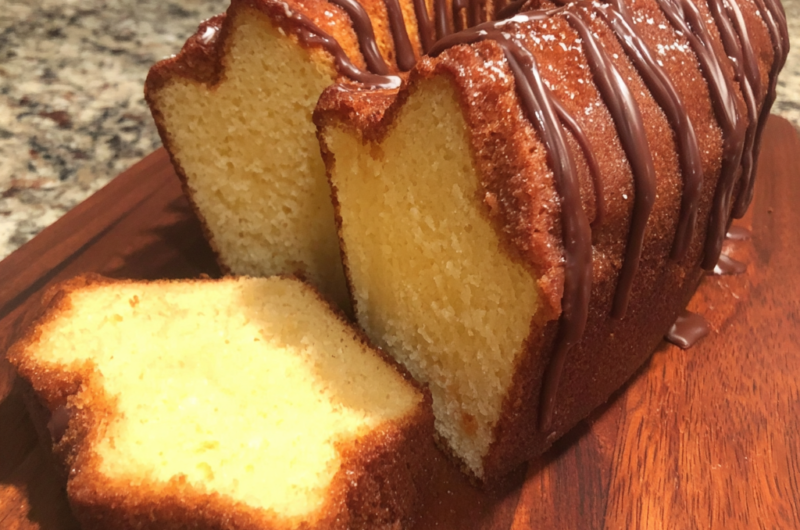
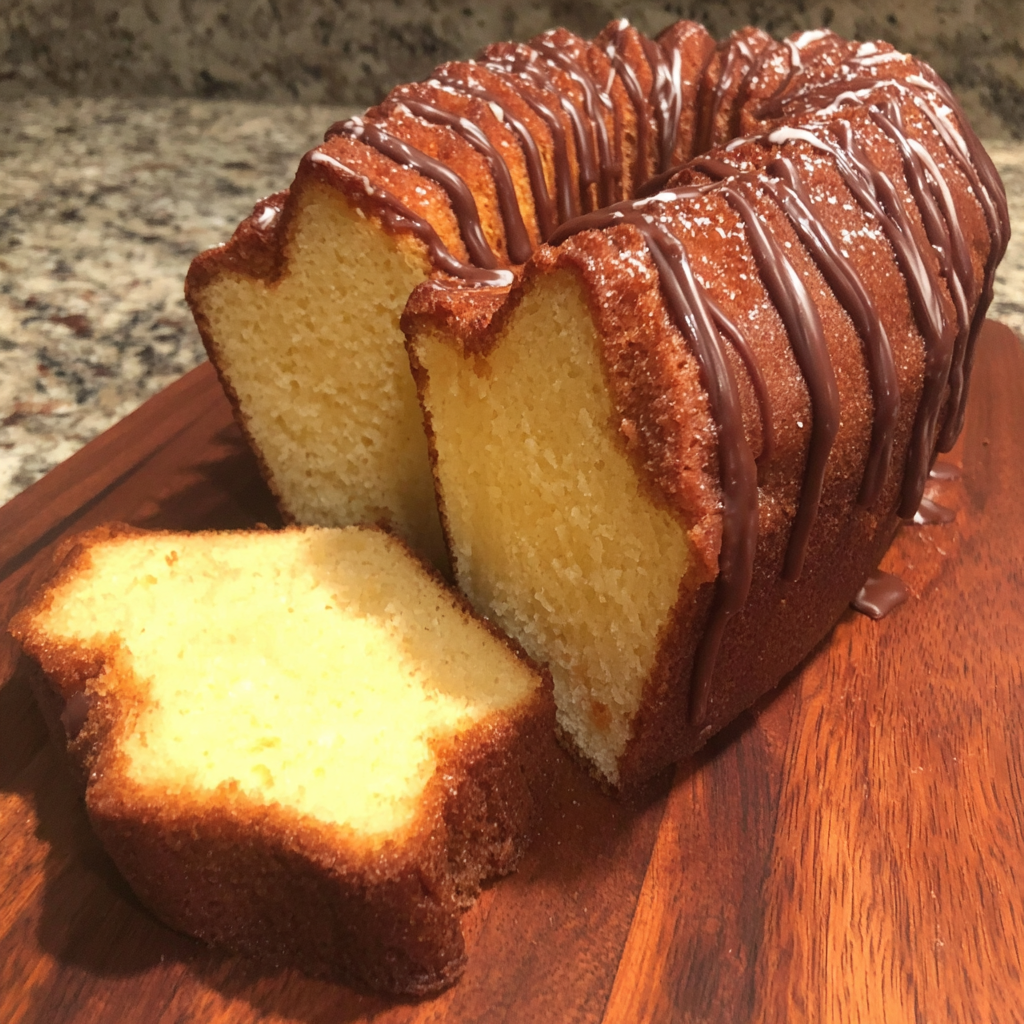
Irish pound cake can stand on its own or be enhanced with various toppings such as fresh fruits, whipped cream, or a light glaze. This versatility makes it perfect for any gathering or dessert occasion.

Embracing Traditional Irish Ingredients
Irish pound cake resonates with age-old culinary practices, employing high-quality butter and eggs that reflect the lush pastures of Ireland. These ingredients not only contribute to the exquisite flavor but also embody the essence of traditional Irish baking. Using locally sourced dairy, whenever possible, highlights the cake's roots and enhances its authenticity, connecting it to the rich agricultural landscape of Ireland.
Elevating the Pound Cake Experience
While the classic Irish pound cake holds its own, it offers a blank canvas for creativity. Enhancements such as citrus zest, nuts, or dried fruits can add exciting new dimensions to the flavor profile. A simple lemon glaze or a sprinkle of powdered sugar can personalize each cake, making it special for gatherings or celebrations, while still staying true to its traditional roots.
Perfect Pairings for Irish Pound Cake
The versatility of Irish pound cake means it pairs beautifully with an array of accompaniments. Consider serving it with a dollop of fresh whipped cream and berries for a light dessert. For a more indulgent option, a side of warm custard or a scoop of vanilla ice cream harmonizes its flavors well, making for a comforting treat on chilly evenings.
FAQs
Why is my cake too dense?
A dense cake often results from overmixing the batter or adding too much flour. Ensure that you mix until just combined when incorporating dry ingredients.
How can I add flavor without overpowering the cake?
Consider adding citrus zest or spices like nutmeg or cinnamon in small amounts. These subtle additions can enhance the flavor without overwhelming the traditional taste.
What should I do if the cake is slightly undercooked in the center?
If you find that the cake seems undercooked, tent it loosely with foil and return it to the oven for an additional 5-10 minutes. This can help finish the cooking process without overbaking the crust.
Can I substitute buttermilk for regular milk in this recipe?
Yes, buttermilk can add a lovely tang and moisture to your cake, but it will slightly alter the texture. Reduce the flour by a couple of tablespoons if necessary.
Why did my cake flower rise unevenly?
Uneven rising can result from not evenly distributing the baking powder or from opening the oven door too soon while baking. Always clear mixed batter evenly in the pan and avoid checking the cake too early.
Can I bake this as cupcakes instead of a loaf?
Yes, you can use the same batter to create cupcakes, adjusting the baking time to approximately 18-22 minutes. Watch for doneness with a toothpick to ensure they are perfectly baked.
Conclusion
Baking an Irish pound cake is not just about following a recipe; it's about embracing the warmth and tradition of Irish culinary culture. Each slice invites you to savor a moment of comfort, whether enjoyed alone or shared with loved ones.
Feel free to experiment with flavors and toppings to make this cake truly your own. With its simple beauty and delicious taste, Irish pound cake is sure to become a cherished recipe in your home.
Recipe Card
Delightful Irish Pound Cake for Home Bakers
Ingredients
Method
- Preheat your oven to 350°F (175°C).
- Grease and flour a 9x5-inch loaf pan.
- In a mixing bowl, cream together the butter and sugar until light and fluffy.
- Add the eggs, one at a time, beating well after each addition.
- In another bowl, whisk together the flour, baking powder, and salt.
- Gradually add the dry ingredients to the wet mixture, mixing until just combined.
- Stir in the vanilla extract.
- Pour the batter into the prepared loaf pan, smoothing the top with a spatula.
- Bake in the preheated oven for 60-70 minutes or until a toothpick inserted in the center comes out clean.
- Allow the cake to cool in the pan for 10 minutes before transferring to a wire rack.
- Serve slices plain or with your favorite toppings.
Notes
Additional serving suggestions: pair with a crisp salad, garlic bread, or roasted seasonal vegetables for balance.
For make-ahead, prep components separately and assemble just before heating to preserve texture.
Taste and adjust with acid (lemon/vinegar) and salt right at the end to wake up flavors.