Introduction
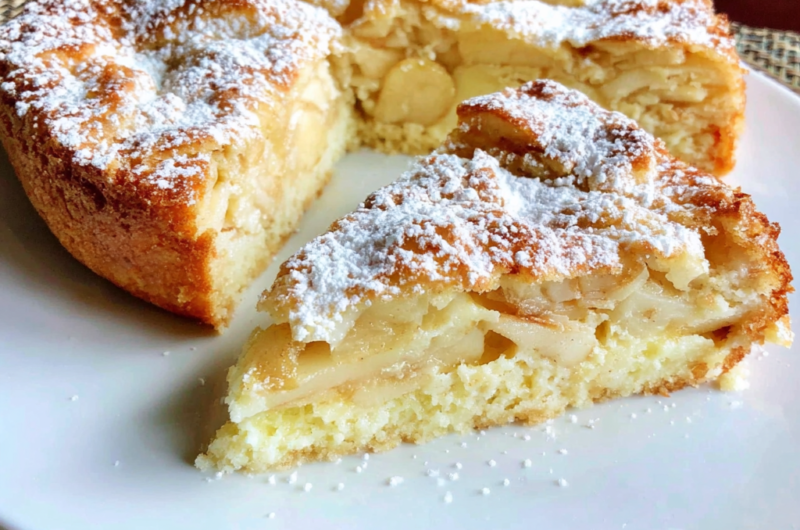
Traditional Irish apple cake is not just a dessert; it's a cherished part of Ireland's rich culinary heritage. Often enjoyed during autumn harvests, this cake combines the sweetness of ripe apples with warm spices, creating a comforting and nostalgic experience.
The beauty of this cake lies in its simplicity, making it accessible to home cooks of all skill levels. It’s perfect for family gatherings or a cozy afternoon tea, inviting warmth and togetherness with every bite.
Ingredients
- 3 cups all-purpose flour
The foundation of our cake, all-purpose flour provides structure and texture, helping to hold together the ingredients while giving the cake its characteristic crumb. Too much flour can make the cake dry, while too little can result in a dense texture. - 1 ½ cups granulated sugar
Sugar not only sweetens the cake but also contributes to its moisture and tenderness. It caramelizes during baking, creating a golden crust that contrasts beautifully with the soft interior. - 1 cup unsalted butter
Butter enriches the flavor and adds moisture to the cake. Using unsalted butter allows you to control the saltiness, ensuring that the flavors remain balanced throughout the dessert. - 4 large eggs
Eggs serve as a binding agent in the cake, helping to hold the ingredients together while also providing richness and moisture. They contribute to the cake's structure and leavening, giving it a light, airy texture. - 1 teaspoon baking powder
Baking powder is a leavening agent that helps the cake rise. It creates tiny air pockets during baking, resulting in a fluffy and light texture that is essential for a well-made apple cake. - 1 teaspoon ground cinnamon
Cinnamon adds warmth and depth to the flavor profile, enhancing the natural sweetness of the apples. This spice is quintessential in many apple desserts, evoking a sense of comfort and nostalgia. - ½ teaspoon nutmeg
Nutmeg complements cinnamon, adding a subtle warmth to the cake's flavor. Used in moderation, it heightens the aroma and taste without overpowering the other ingredients. - 4 medium apples, peeled and chopped
Apples are the star ingredient, providing natural sweetness and moisture. A mix of tart and sweet apples ensures a balanced flavor throughout the cake, while their texture adds a delightful bite. - ½ cup milk
Milk hydrates the dry ingredients and contributes to the cake's tenderness. It helps create a smooth batter and can elevate the overall flavor and moisture in the completed cake. - Powdered sugar for dusting
While optional, powdered sugar adds a touch of sweetness and visual appeal to the cake when dusted on top before serving. It enhances the presentation, making the cake look inviting and delicious.
Directions & Preparation
Step 1: Preheat your oven to 350°F (175°C) and prepare your baking pan.
Preheating the oven is crucial to ensure even baking right from the start. Lightly greasing or lining your baking pan with parchment paper will prevent the cake from sticking and allow for a clean release once baked.
Step 2: In a large mixing bowl, cream together the softened butter and granulated sugar until light and fluffy.
Creaming butter and sugar aerates the mixture, incorporating air that helps the cake rise. This step is essential for achieving a light texture; ensure your butter is at room temperature for optimal mixing.
Step 3: Add the eggs one at a time, ensuring each is incorporated before adding the next.
Adding eggs gradually allows them to blend thoroughly into the batter, creating a uniform mixture without curdling. This step contributes to the cake's moisture and structure.
Step 4: In a separate bowl, whisk together the flour, baking powder, cinnamon, and nutmeg.
Whisking the dry ingredients separately ensures an even distribution of the leavening agents and spices. This step prevents clumps and helps avoid a lumpy batter, resulting in a smoother final product.
Step 5: Gradually add the dry ingredients to the wet mixture, alternating with the milk, and mix until just combined.
Carefully folding in the dry ingredients prevents overmixing, which can lead to a tough cake. Alternating with milk keeps the batter moist while achieving the desired consistency.
Step 6: Fold in the chopped apples, making sure they are evenly distributed.
Folding the apples into the batter ensures they are distributed throughout the cake, providing pockets of flavor and moisture. This step adds texture and enhances the overall apple flavor in every bite.
Step 7: Pour the batter into the prepared baking pan and smooth the top.
Smoothing the top of the batter helps create an even surface that bakes uniformly. Gently tapping the pan on the counter releases any trapped air bubbles for a more consistent cake.
Step 8: Bake in the preheated oven for 45-50 minutes or until a toothpick comes out clean.
Testing with a toothpick is a reliable way to check for doneness without ruining the cake's appearance. Be sure to test in the center where it is the thickest, and avoid overbaking to keep the cake moist.
Step 9: Allow the cake to cool in the pan for 10 minutes, then transfer to a wire rack to cool completely.
Cooling in the pan allows the cake to set and makes it easier to remove without breaking. Once transferred, cooling completely ensures that the flavors fully develop and the texture stabilizes.
Step 10: Dust with powdered sugar before serving, if desired.
Dusting with powdered sugar is a simple, elegant touch that enhances the presentation. It adds a sweetness that complements the natural flavors of the cake while making it inviting for guests.

Choosing the Right Apples
The type of apples you choose can significantly affect the flavor and texture of your Irish apple cake. A blend of tart and sweet varieties, such as Granny Smith and Honeycrisp, provides balance, while firmer apples retain their shape during baking. Choosing fresh, seasonal apples also enhances the cake’s overall flavor profile, ensuring a delightful eating experience with every slice.
Enhancing Flavor with Spices
Including spices like cinnamon and nutmeg is essential in traditional Irish apple cake, as they provide warmth and depth. Adjusting the quantity according to your taste can tailor this cake to your liking. Additionally, experimenting with other spices like ginger or allspice can yield interesting variations, giving a modern twist to a beloved classic while respecting its roots.
Serving Suggestions for Irish Apple Cake
This apple cake pairs beautifully with a variety of accompaniments. Consider serving it warm with a scoop of vanilla ice cream or a dollop of freshly whipped cream for added indulgence. Alternatively, pairing it with a cup of Irish tea or coffee enhances the cake's traditional sensibility, making it a cozy treat during chilly evenings or festive gatherings.
FAQs
What if my cake turns out too dense?
A dense cake can result from overmixing the batter or using too much flour. Ensure you measure accurately and mix until just combined for a lighter texture.
Can I use different types of flour for this recipe?
While all-purpose flour is recommended, you can experiment with combinations such as whole wheat or gluten-free flours. Adjustments in liquid may be necessary if using a flour with different properties.
Why is my cake too dry?
A dry cake may be due to overbaking or not enough moisture from ingredients. Keep an eye on the baking time, and consider adding an extra egg or a bit more milk to enhance moisture.
Can I use less sugar in the recipe?
Yes, you can reduce the sugar slightly, but be cautious as it affects the moisture and sweetness. Consider testing with a 10-20% reduction to maintain flavor and texture.
What temperature should my butter be before mixing?
Butter should be at room temperature, softened but not melted. This typically means it should be around 65-70°F (18-21°C), making it easier to cream with sugar.
How can I prevent my apples from sinking in the batter?
To prevent apples from sinking, coat them in a bit of flour before adding them to the batter. This creates a barrier that helps them stay suspended during baking.
Conclusion
Traditional Irish apple cake is a testament to the beauty of simple, wholesome ingredients. By taking the time to honor these components, you can create a dessert that not only delights the taste buds but also warms the heart.
Whether you are making this cake for a special occasion or just to treat yourself, its comforting flavors and rustic charm are sure to make it a beloved addition to your recipe collection.
Recipe Card
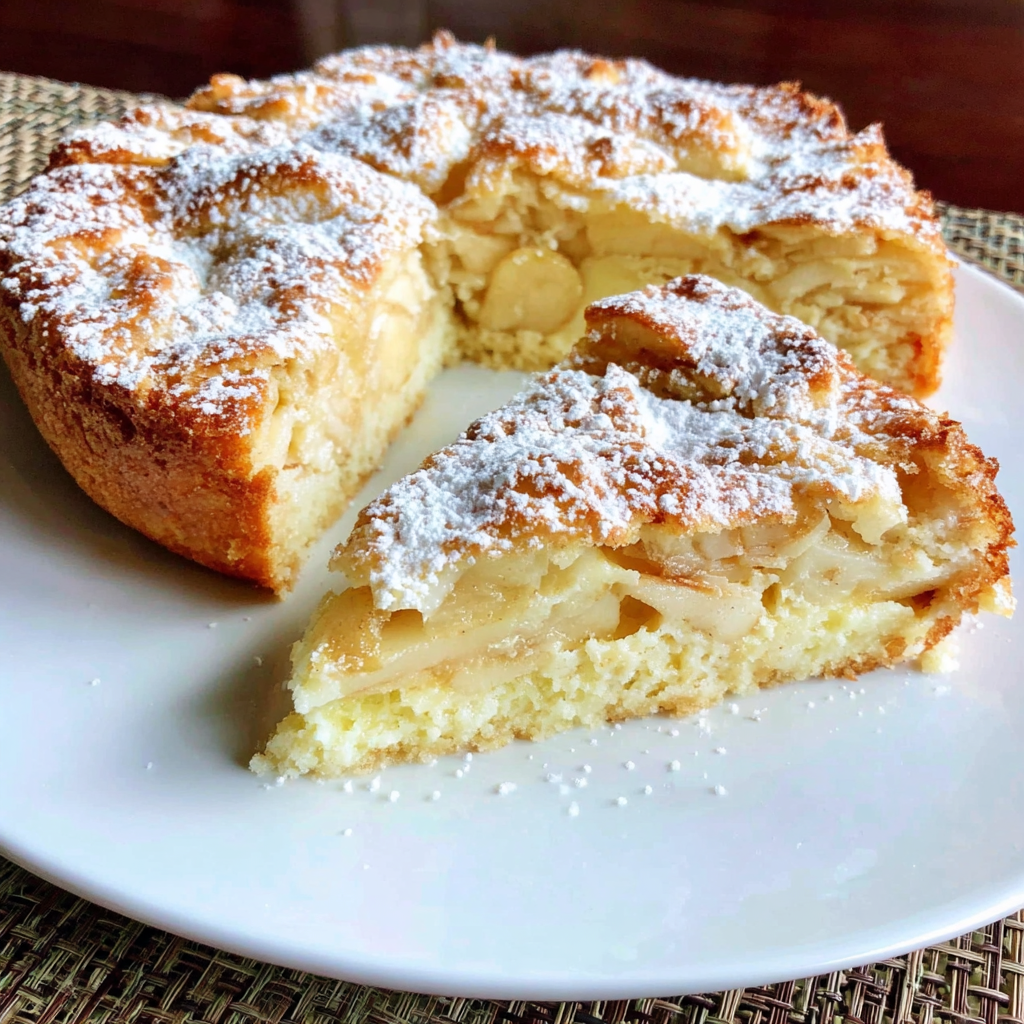
A Taste of Tradition: Irish Apple Cake Delight
Ingredients
Method
- Preheat your oven to 350°F (175°C) and prepare your baking pan.
- In a large mixing bowl, cream together the softened butter and granulated sugar until light and fluffy.
- Add the eggs one at a time, ensuring each is incorporated before adding the next.
- In a separate bowl, whisk together the flour, baking powder, cinnamon, and nutmeg.
- Gradually add the dry ingredients to the wet mixture, alternating with the milk, and mix until just combined.
- Fold in the chopped apples, making sure they are evenly distributed.
- Pour the batter into the prepared baking pan and smooth the top.
- Bake in the preheated oven for 45-50 minutes or until a toothpick comes out clean.
- Allow the cake to cool in the pan for 10 minutes, then transfer to a wire rack to cool completely.
- Dust with powdered sugar before serving, if desired.
Notes
Additional serving suggestions: pair with a crisp salad, garlic bread, or roasted seasonal vegetables for balance.
For make-ahead, prep components separately and assemble just before heating to preserve texture.
Taste and adjust with acid (lemon/vinegar) and salt right at the end to wake up flavors.


