Introduction
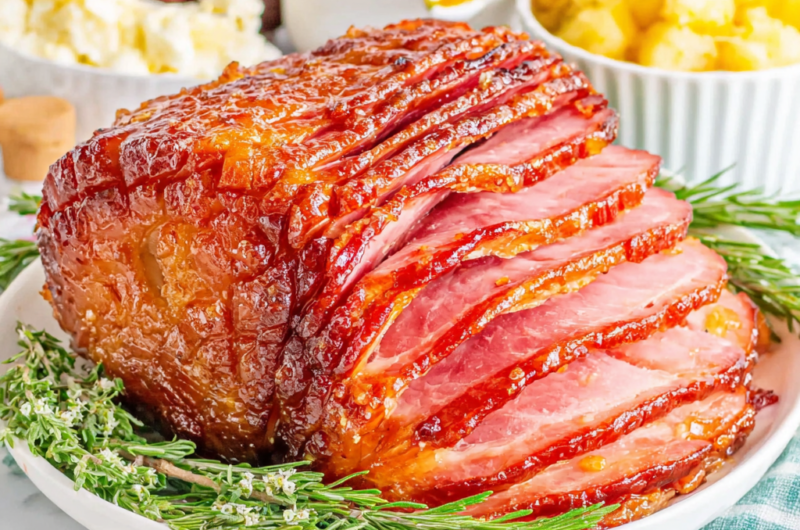
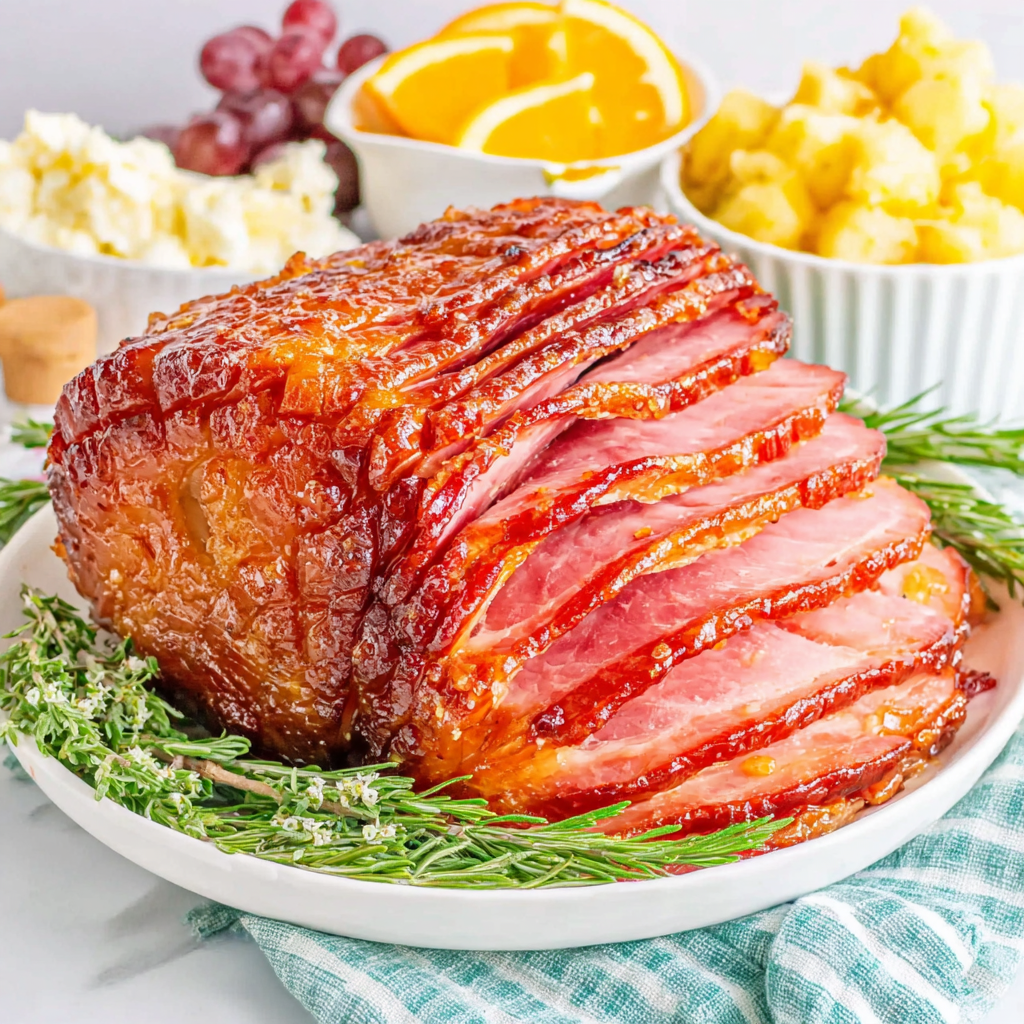
When it comes to festive meals, few dishes evoke the same sense of celebration as honey glazed ham. This dish, with its shiny exterior and rich flavor, takes center stage at family gatherings and special occasions. The natural sweetness of honey perfectly complements the savory aspects of the ham, creating a delightful balance that will have everyone returning for seconds.
Making honey glazed ham at home might seem intimidating, but the process is straightforward and rewarding. A few quality ingredients paired with a little time in the oven can transform an ordinary ham into an extraordinary centerpiece. Let’s explore how to achieve that perfect glaze that will impress your guests.
Ingredients
- 1 fully cooked bone-in ham (6-8 lbs)
The key ingredient, the ham, provides a savory base. Choose a bone-in variety for added flavor and moisture, ensuring that the natural juices enhance the sweetness of the glaze. - 1 cup honey
Honey serves as the primary sweetener and glaze foundation. Its viscosity helps the glaze stick to the ham while caramelizing beautifully during roasting, imparting a rich sweetness that balances the saltiness of the ham. - 1/2 cup brown sugar
Brown sugar adds depth and complexity to the glaze. The molasses content enhances the rich caramel flavor, making the glaze not just sweet but also richly earthy and satisfying. - 1/4 cup Dijon mustard
Dijon mustard introduces a sharp acidity that contrasts nicely with the sweetness of the honey and brown sugar. It adds a layer of depth to the glaze, preventing it from becoming overly sweet. - 2 tablespoons apple cider vinegar
Apple cider vinegar contributes acidity to balance the richness of the ham. Its fruity undertones add flavor complexity and help tenderize the meat as it roasts. - 1 teaspoon ground cinnamon
Cinnamon infuses the glaze with warm, aromatic undertones that elevate the flavor profile. It complements the sweetness while adding a cozy, festive warmth. - 1/2 teaspoon ground cloves
Ground cloves impart a distinctive, spiced flavor that enhances the overall aroma. A little goes a long way, so use it sparingly to prevent overpowering the other flavors. - Salt and pepper to taste
Seasoning with salt and pepper balances the flavors throughout the dish. Proper seasoning ensures that every bite is harmonious and flavorful.
Directions & Preparation
Step 1: Preheat the oven to 325°F (163°C).
Preheating the oven is crucial for an even cook. Setting it to the right temperature ensures that the ham will cook through adequately, allowing the glaze to caramelize without burning.
Step 2: Score the surface of the ham in a diamond pattern.
Scoring helps the glaze penetrate the ham better, allowing the flavors to infuse more deeply. It also creates a visually appealing presentation, as the glaze seeps into the cuts and caramelizes beautifully.
Step 3: In a small bowl, whisk together the honey, brown sugar, Dijon mustard, apple cider vinegar, cinnamon, and cloves.
This step combines all the glaze ingredients into a cohesive mixture. The whisking process helps aerate the mixture, ensuring all the flavors meld together for a smooth and flavorful glaze.
Step 4: Place the ham in a roasting pan, and brush some glaze over the surface.
Placing the ham in a roasting pan provides a vessel to catch the drippings and prevent any mess. Brushing the glaze onto the ham before roasting helps create that sought-after caramelized shell right from the start.
Step 5: Cover the ham loosely with aluminum foil.
Covering the ham with foil prevents it from drying out during the first part of cooking. It traps steam, so the ham remains juicy and tender while the flavors meld together beneath the foil.
Step 6: Roast the ham in the preheated oven for about 1.5 to 2 hours, basting every 30 minutes.
Roasting allows the ham to heat evenly and the flavors to enhance over time. Basting regularly keeps the surface moist and aids in building layers of flavor and caramelization, leading to a sticky glaze.
Step 7: Remove the foil during the last 30 minutes of roasting to allow for browning.
This is when the magic happens; removing the foil allows the glaze to caramelize. Monitor the ham closely to prevent burning while the sugars are transforming into that beautiful golden-brown crust.
Step 8: Check the internal temperature to ensure it reaches 140°F (60°C).
Using a meat thermometer, check that the ham has reached a safe and warm serving temperature. This ensures that it has been heated through without overcooking, which can lead to dryness.
Step 9: Once done, let the ham rest for 15-20 minutes before slicing.
Resting the ham allows the juices to redistribute within the meat, ensuring each slice is tender and moist. It also makes slicing easier, leading to cleaner cuts and better presentation.

Elevating the Glaze: Adding Unique Flavors
While the traditional glaze combines honey, brown sugar, and mustard, feel free to explore variations. Consider adding fresh herbs like rosemary or thyme for a more aromatic touch. You can also incorporate fruit juices such as orange or pineapple for a tropical spin that brightens the dish, making each bite an exciting experience.
Choosing the Right Ham for the Perfect Results
The type of ham you choose significantly affects the final dish. A fully cooked bone-in ham is recommended for its flavor and moisture retention. However, for a different experience, try a spiral-cut ham to save time on slicing, ensuring that guests get beautifully presented pieces with minimal effort.
The Role of Resting: Why It Makes a Difference
Many home cooks may overlook the resting stage, but it's critical. Allowing the ham to rest after cooking enables the fibers to relax, resulting in juicier slices. It also allows your guests to revisit the aromatic scents wafting through the air while you finish preparing accompaniments to serve alongside this showstopping entrée.
FAQs
What should I do if the glaze is too thick?
If the glaze is too thick, you can thin it out by adding a bit of warm water or additional apple cider vinegar. Whisk it until it reaches your desired consistency to ensure even application.
How can I avoid the glaze being overly sweet?
To balance the sweetness, you can increase the amount of Dijon mustard or apple cider vinegar. This will add acidity and spice, creating a more balanced flavor in the glaze.
Is it possible to make this with a boneless ham?
Yes, you can use a boneless ham in this recipe. Just be aware that cooking times may vary, so check the internal temperature and adjust accordingly.
What should I do if my ham is overcooked?
If your ham becomes overcooked, slice it thinly and serve it with a flavorful sauce or broth to add moisture back into each bite. This can help make it more enjoyable despite being dry.
Can I use different kinds of sugars for the glaze?
Yes, you can experiment with different sugars like coconut sugar or maple syrup. Each one will impart its unique flavor, but ensure they provide similar sweetness levels for optimal results.
Is there a method to enhance the aroma of the ham while it roasts?
To enhance aroma, consider adding aromatic vegetables like chopped onions and apples to the roasting pan. Their flavors will infuse the ham as it cooks, adding to the overall sensory experience.
Conclusion
Creating a honey glazed ham at home can be a rewarding journey, elevating your meal to something truly remarkable. As you watch the glaze caramelize and the ham turn golden brown, you'll experience the joy of serving a dish crafted with care.
With a little patience and attention to detail, you can master this wonderful recipe. So, gather your loved ones, enjoy the aroma that fills your kitchen, and celebrate the moments made over a beautifully glazed ham.
Recipe Card
Sweet and Savory Honey Glazed Ham Recipe
Ingredients
Method
- Preheat the oven to 325°F (163°C).
- Score the surface of the ham in a diamond pattern.
- In a small bowl, whisk together the honey, brown sugar, Dijon mustard, apple cider vinegar, cinnamon, and cloves.
- Place the ham in a roasting pan, and brush some glaze over the surface.
- Cover the ham loosely with aluminum foil.
- Roast the ham in the preheated oven for about 1.5 to 2 hours, basting every 30 minutes.
- Remove the foil during the last 30 minutes of roasting to allow for browning.
- Check the internal temperature to ensure it reaches 140°F (60°C).
- Once done, let the ham rest for 15-20 minutes before slicing.
Notes
Additional serving suggestions: pair with a crisp salad, garlic bread, or roasted seasonal vegetables for balance.
For make-ahead, prep components separately and assemble just before heating to preserve texture.
Taste and adjust with acid (lemon/vinegar) and salt right at the end to wake up flavors.


