Introduction
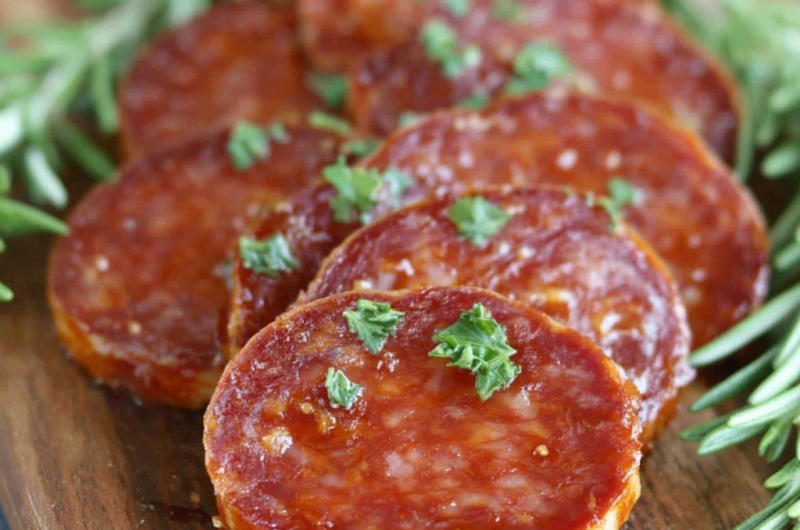
Baked salami can transform a simple dish into an indulgent experience. Its rich, savory flavor and crisp texture make it a standout choice for appetizers, sandwiches, or even as a main component of a charcuterie board. This versatile ingredient can shine in various culinary applications, ensuring that every bite is a delight.
The best part is that preparing baked salami is an uncomplicated process that yields fantastic results. As the salami bakes, it develops a wonderful umami profile, achieving a satisfying crunch that complements its saltiness. Whether you’re entertaining guests or treating yourself, learn how to elevate this cured meat to new heights.
Ingredients
- 1 pound salami
A key flavor component, salami is a cured sausage made from fermented and air-dried meat, usually pork. Its distinctive flavor intensifies when baked, providing a delicious contrast between the crispy exterior and the tender center. - 1 tablespoon olive oil
Olive oil adds moisture and helps achieve a golden, crispy texture. It also enhances the overall flavor of the dish by complementing the savory notes of the salami. - 1 teaspoon black pepper
Black pepper gives a subtle heat that balances out the richness of the salami. It enhances the salami's flavor without overwhelming it, providing an aromatic quality. - 1 teaspoon garlic powder
Garlic powder adds depth and a savory aroma, elevating the flavor profile of baked salami. It melds beautifully with the other ingredients, creating a flavorful contrast. - Optional: 1 tablespoon honey (for sweetness)
If you prefer a touch of sweetness to balance the saltiness, honey can be drizzled over the salami before baking. This mix of sweet and savory enhances the tasting experience, making it more complex.
Directions & Preparation
Step 1: Preheat the oven to 400°F (200°C).
Preheating the oven is essential for even cooking and achieving the desired crispy texture of the salami. By starting at the right temperature, the salami begins to render fat quickly, which contributes to its crispy characteristic.
Step 2: Slice the salami into ¼-inch thick rounds.
Cutting the salami into even rounds ensures consistent baking, allowing each piece to reach the right level of doneness. Thinner slices may become overly crisp while thicker pieces may not cook through properly, so maintaining uniformity is key.
Step 3: In a bowl, mix together olive oil, black pepper, and garlic powder.
Combining the olive oil and spices creates a flavorful marinade that will coat the salami, enhancing its natural taste. This mixture also promotes even seasoning, ensuring that each slice is infused with the aromatic flavors.
Step 4: Toss the salami slices in the oil mixture until evenly coated.
This step is crucial as it allows the seasoning to adhere to each slice of salami. Coating the salami evenly helps in developing a beautiful crust during baking, resulting in flavor-packed bites.
Step 5: Arrange the salami slices on a baking sheet lined with parchment paper.
Using parchment paper prevents the salami from sticking and makes for easier cleanup. Arranging the slices in a single layer is important to allow for proper air circulation around each piece, which enhances crispiness.
Step 6: Bake in the preheated oven for 15-20 minutes until crispy.
Baking the salami allows fat to render out, creating that satisfying crunch. Watching for the browning cues is important; the edges should be slightly charred but not burnt, indicating that the salami is perfectly baked.
Step 7: Optional: Drizzle with honey before serving for a touch of sweetness.
Adding honey provides a sweet contrast that pairs well with the saltiness of the salami. Drizzling it over the hot slices right after baking enhances the flavor profile, making it even more appealing.
Step 8: Serve warm or at room temperature, as desired.
Baked salami can be enjoyed either warm or at room temperature, making it a versatile addition to any spread. Pairing it with assorted cheeses, breads, or pickles can elevate the overall experience.

Exploring Flavor Combinations
Baked salami is not only delightful on its own but also pairs wonderfully with a variety of complementary flavors. Consider serving it alongside fresh fruits, like figs or apples, for a sweet contrast that highlights the salami's savoriness. Additionally, incorporating various cheeses can create a delightful charcuterie board experience, encouraging creativity in flavor pairing.
Baked Salami: A Protein Powerhouse
Salami is a protein-centric ingredient that adds richness to your meals and snacks. Because it's dense and flavorful, baked salami can also serve as a satisfying protein source on a salad or in a sandwich, making it an excellent option for balancing other lighter ingredients alongside its robust flavor application.
Creative Serving Ideas
While baked salami shines on its own, consider using it as a topping for pizzas or as an element in pasta dishes. Its bold and savory notes can enhance the flavor of otherwise simple dishes, adding depth and texture that keep every meal exciting. Experimenting with its applications can lead to delightful dining experiences.
FAQs
What if my baked salami turns out too thick?
If baked salami is too thick, it may not achieve the desired crispiness. To rectify this, consider slicing it thinner next time to allow for even cooking and browning.
How do I adjust the recipe for more servings?
To scale the recipe, ensure you increase the quantities of salami and seasoning equally. Do remember to use multiple baking sheets if necessary to avoid overcrowding.
Can I add spices other than garlic powder?
Absolutely! Feel free to experiment with spices like smoked paprika or crushed red pepper flakes for added depth and heat, tailored to your taste preference.
Why does my baked salami taste bland?
If the flavors seem mild, it could be due to insufficient seasoning. Ensure that you're using an even coating of the oil mixture, and taste-test your batches, adjusting spices as needed.
How can I enhance the aroma while baking?
Consider adding fresh herbs like rosemary or thyme to the olive oil mixture before applying it to the salami. These herbs will infuse the salami with aromatic flavors as it bakes.
Is it all right to use a different type of salami?
You can substitute different varieties of salami, such as Genoa or pepperoni, though cooking times may vary slightly based on thickness and fat content. Adjust as necessary for optimal results.
Conclusion
Baked salami is a simple yet flavorful addition to your cooking repertoire that can elevate everyday meals and gatherings. With its satisfying crunch and depth of flavor, it invites endless possibilities for pairing and presentation.
Whether you're sharing it with friends or enjoying it solo, taking the time to bake salami enriches the entire culinary experience, making it a favorite among home cooks. Dive into this recipe and explore the joys it brings to your table.
Recipe Card

Savoring Flavor: Baked Salami Recipe for Home Cooks
Ingredients
Method
- Preheat the oven to 400°F (200°C).
- Slice the salami into ¼-inch thick rounds.
- In a bowl, mix together olive oil, black pepper, and garlic powder.
- Toss the salami slices in the oil mixture until evenly coated.
- Arrange the salami slices on a baking sheet lined with parchment paper.
- Bake in the preheated oven for 15-20 minutes until crispy.
- Optional: Drizzle with honey before serving for a touch of sweetness.
- Serve warm or at room temperature, as desired.
Notes
Additional serving suggestions: pair with a crisp salad, garlic bread, or roasted seasonal vegetables for balance.
For make-ahead, prep components separately and assemble just before heating to preserve texture.
Taste and adjust with acid (lemon/vinegar) and salt right at the end to wake up flavors.