Introduction
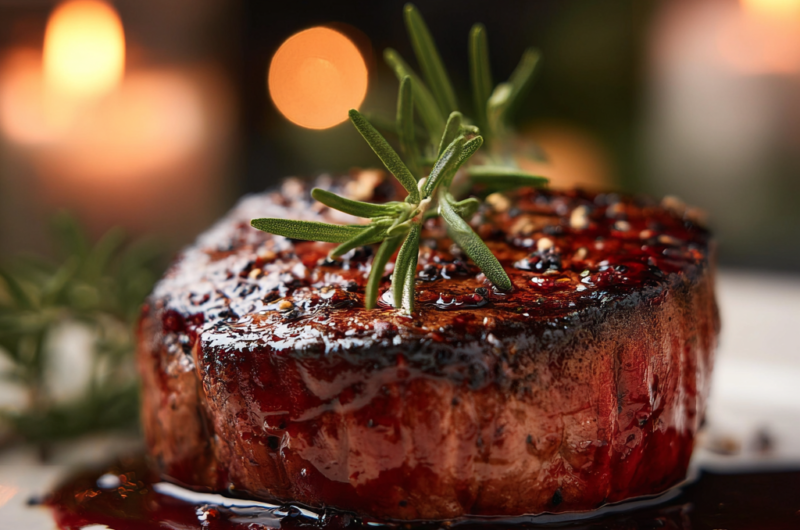
Filet mignon, with its tender texture and rich flavor, is undeniably a star in the world of gourmet cooking. This cut comes from the beef tenderloin, ensuring each bite is succulent and satisfying. When paired with a luxurious red wine reduction, the dish transforms into a culinary masterpiece that’s perfect for entertaining or a special occasion.
Creating a restaurant-quality filet mignon at home is easier than you might think. This recipe emphasizes simple techniques that highlight the meat's natural flavors while adding depth through the red wine sauce. Let’s dive into this exquisite dish that promises to impress any dinner guest.
Ingredients
- 2 filet mignon steaks (6-8 oz each)
The filet mignon is the star of this dish, known for its tenderness and mild flavor. Cooking it properly ensures a juicy, melt-in-your-mouth experience. - Salt and pepper to taste
Seasoning the steaks with salt and pepper enhances their natural flavors. Salt helps to form a crust when seared, adding texture and preventing moisture loss. - 1 tablespoon olive oil
Olive oil is used for its high smoke point and ability to impart a subtle fruitiness to the dish. It aids in browning the meat, sealing in juices, and creating flavor. - 1 cup red wine (preferably Cabernet Sauvignon)
Red wine adds complexity to the reduction. The tannins in Cabernet Sauvignon complement the richness of the beef, creating a harmonious balance. - 1 shallot, finely chopped
Shallots offer a sweet, mild onion flavor that enriches the reduction sauce. They soften and dissolve into the wine, contributing depth without overwhelming the dish. - 1 tablespoon unsalted butter
Butter gives the reduction a luscious finish and glossy appearance. It helps to mellow the acidity of the wine and adds a rich, creamy texture. - Fresh herbs (such as rosemary or thyme) for garnish
Fresh herbs add a pop of color and fragrance, elevating the dish's visual appeal and flavor profile. They provide a refreshing contrast to the meaty richness.
Directions & Preparation
Step 1: Prepare the steaks by seasoning them with salt and pepper.
Seasoning the steaks generously is key to building flavor. The salt not only enhances taste but also helps form a crust during cooking, trapping the juices inside for a tender bite.
Step 2: Heat olive oil in a skillet over high heat until shimmering.
Heating the oil properly is crucial for achieving a good sear on the steaks. A hot pan creates a Maillard reaction, developing a flavorful crust while keeping the inside moist and pink.
Step 3: Sear the steaks for about 3-4 minutes on each side for medium-rare.
Searing creates a deep brown crust that adds complexity to the flavor. Use a meat thermometer to ensure precise doneness; medium-rare should read around 130°F.
Step 4: Remove the steaks from the skillet and let them rest for 5-10 minutes.
Resting allows the juices to redistribute throughout the meat, ensuring a juicy and tender steak. This step is crucial for maintaining flavor and moisture.
Step 5: In the same skillet, add chopped shallots and sauté until soft, about 2 minutes.
Sautéing shallots in the residual fats from the steaks enhances their sweetness. This step also builds a foundation of flavor for the reduction sauce, infusing it with savory goodness.
Step 6: Pour in the red wine, scrape the bottom of the skillet, and bring to a simmer.
Deglazing the pan with wine lifts the flavorful bits stuck to the bottom, enriching the sauce. Simmering allows the wine to reduce and concentrate, intensifying the flavors.
Step 7: Continue to simmer the sauce until it reduces by half, about 10 minutes.
Reducing the wine concentrates its flavor and thickens the sauce. This step is vital for achieving a robust, velvety reduction that elegantly envelops the steaks.
Step 8: Finish the sauce by whisking in the butter until melted and smooth.
Incorporating butter at the end adds richness and a shiny finish to the sauce. This step ensures a luxurious mouthfeel that enhances the overall dining experience.
Step 9: Slice the filet mignon and serve it drizzled with the red wine reduction and garnished with fresh herbs.
Slicing the steak against the grain enhances tenderness. Serving it with the reduction elevates each bite, and the fresh herbs add a burst of color and freshness.

Choosing the Right Cut of Beef
The filet mignon is prized for its tenderness and mild flavor, but selecting the right cut is essential when preparing this dish. Look for steaks with a bright red color and minimal fat cover. Properly marbled cuts offer flavor while maintaining the melt-in-your-mouth quality. It's worth investing in high-quality beef to truly elevate your meal.
The Art of Sauce Making
Creating a red wine reduction is a delicate process that balances flavors while enhancing the dish. The key is to allow the wine to reduce slowly, concentrating its taste and aroma. Scraping the fond from the pan introduces depth to the sauce, ensuring every forkful is rich and flavorful. The butter finish adds a glossy texture that elevates the entire dining experience.
Pairing Suggestions for Filet Mignon
While the filet mignon stands strong on its own, pairing it with complementary sides and wines can enhance the meal. Consider serving it with creamy mashed potatoes or a fresh seasonal vegetable medley. For the wine, a full-bodied Cabernet Sauvignon mirrors the flavors in the reduction, creating a cohesive dining experience. Explore various sides to find your perfect match.
FAQs
What should I do if my sauce is too thick?
If your sauce becomes too thick, simply add a splash of additional red wine or beef broth while stirring over low heat until the desired consistency is reached.
How can I enhance the flavors of the reduction?
To enhance the flavors, consider adding a touch of sugar or a spoonful of balsamic vinegar to the sauce while it simmers, balancing acidity and sweetness.
What if the steak is overcooked?
If your steak is overcooked, it may be tough. Unfortunately, there’s no way to reverse cooking, but serving it with a rich sauce can help mask some of the dryness.
Can I substitute the red wine?
While red wine adds depth, if you prefer a non-alcoholic option, beef broth or a mixture of grape juice and a splash of vinegar can work as alternatives.
Are there specific herbs that pair well with filet mignon?
Yes, herbs like rosemary, thyme, and parsley complement the flavors of filet mignon, enhancing both aroma and taste when used as a garnish or in the sauce.
How do I know when my filet mignon is done?
Using a meat thermometer is the best way to ensure your filet mignon is cooked to the desired doneness. Aim for 130°F for a medium-rare finish.
Conclusion
Incorporating a red wine reduction elevates filet mignon to an extraordinary level, perfect for celebrating special moments or impressing guests. With a few simple techniques, you can create this restaurant-quality dish at home.
Trust in the ingredients and the process, allowing the flavors to shine through. Enjoy every delicious bite, knowing that you've crafted something truly special.
Recipe Card

Savoring Filet Mignon with a Velvety Red Wine Reduction
Ingredients
Method
- Prepare the steaks by seasoning them with salt and pepper.
- Heat olive oil in a skillet over high heat until shimmering.
- Sear the steaks for about 3-4 minutes on each side for medium-rare.
- Remove the steaks from the skillet and let them rest for 5-10 minutes.
- In the same skillet, add chopped shallots and sauté until soft, about 2 minutes.
- Pour in the red wine, scrape the bottom of the skillet, and bring to a simmer.
- Continue to simmer the sauce until it reduces by half, about 10 minutes.
- Finish the sauce by whisking in the butter until melted and smooth.
- Slice the filet mignon and serve it drizzled with the red wine reduction and garnished with fresh herbs.
Notes
Additional serving suggestions: pair with a crisp salad, garlic bread, or roasted seasonal vegetables for balance.
For make-ahead, prep components separately and assemble just before heating to preserve texture.
Taste and adjust with acid (lemon/vinegar) and salt right at the end to wake up flavors.