Introduction
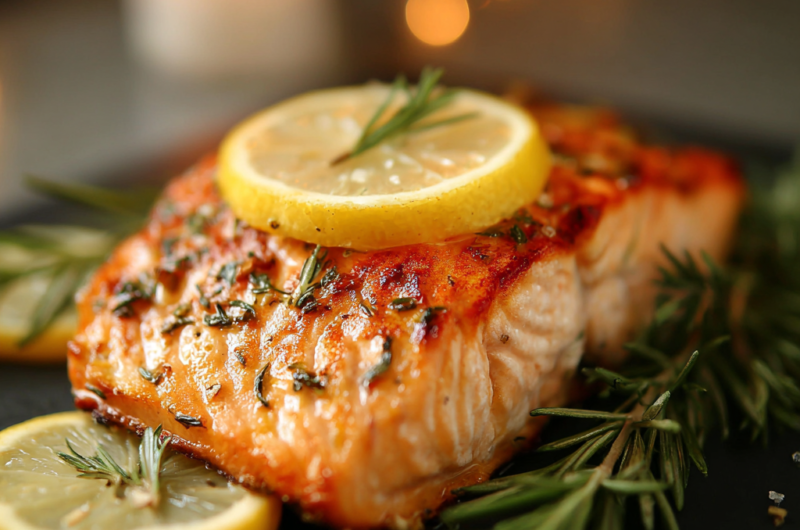
Grilling salmon can seem intimidating, but with the right approach and flavor, it becomes an enjoyable and rewarding experience. Lemon Herb Grilled Salmon brings a vibrant twist to this beloved fish, showcasing fresh herbs and zesty citrus. This dish is perfect for warm evenings or casual family gatherings, evoking the essence of summer with every bite.
The key to a successful grilled salmon lies in balancing its rich flavor with bright, herbal elements. Using fresh ingredients not only enhances the taste but also contributes to a healthful meal. In just a few steps, you can take a simple piece of salmon to an elevated dish that will impress your guests and satisfy your family.
Ingredients
- 4 salmon fillets (6 ounces each)
Salmon is known for its rich flavor and healthy omega-3 fatty acids. Choosing fillets that are uniform in thickness ensures that they cook evenly on the grill. - 2 lemons, juiced and zested
Lemon adds brightness and a refreshing tang to the dish. The juice tenderizes the salmon while the zest enhances the lemony aroma during grilling. - 2 tablespoons olive oil
Olive oil not only helps to keep the salmon moist but also allows the herbs to adhere to the fish, boosting flavor retention. - 2 garlic cloves, minced
Garlic adds a savory depth to the marinade. Its strong aroma infuses the salmon, complementing the citrus notes beautifully. - 2 tablespoons fresh parsley, chopped
Parsley offers a subtle earthiness and fresh flavor, enhancing the overall taste while also adding a touch of color. - 1 tablespoon fresh dill, chopped
Dill pairs exceptionally well with salmon, imparting a distinct herbal note that elevates the dish and underscores its robust flavor. - Salt and black pepper, to taste
Seasoning with salt and pepper is essential to enhance the natural flavors of the salmon and herbs. Adjusting these according to your preference allows for a personalized taste.
Directions & Preparation
Step 1: Prepare the marinade by combining lemon juice, zest, olive oil, garlic, parsley, dill, salt, and pepper in a bowl.
Creating the marinade is a crucial step that determines the taste. The acidity from the lemon juice not only enhances the flavor but also provides a tenderizing effect on the salmon, making it moist and flavorful. Ensure that the ingredients are mixed well to fully incorporate the flavors.
Step 2: Place the salmon fillets in a shallow dish and pour the marinade over them, ensuring they are well-coated.
Marinating the salmon allows it to absorb the flavors thoroughly. Cover the dish with plastic wrap and let it marinate in the refrigerator for at least 30 minutes to an hour. This is the perfect time for the fish to take on the zesty and aromatic notes while preventing overcooking when grilled.
Step 3: Preheat your grill to medium-high heat.
A properly heated grill is crucial for getting those beautiful grill marks while ensuring even cooking. Preheating for about 10-15 minutes allows the surface to become hot enough to sear the fish, which helps lock in juices.
Step 4: Remove the salmon from the marinade, letting excess drip off, and place the fillets skin-side down on the grill grates.
Placing the salmon skin-side down helps protect the delicate flesh from the high heat of the grill, preventing sticking. Additionally, the skin adds flavor and moisture to the fish as it cooks.
Step 5: Grill the salmon for approximately 5-7 minutes on each side or until it’s cooked through.
Turn the salmon only once to allow the fish to develop a crust that helps retain moisture. The fish is cooked perfectly when it flakes easily with a fork and has an internal temperature of 145°F. Keep a close watch to avoid overcooking.
Step 6: Carefully remove the grilled salmon from the grill and let it rest for a few minutes before serving.
Resting allows the juices within the salmon to redistribute, making for a more flavorful and moist bite. The transition from grill to plate should be deliberate to keep the fish intact, preventing any breakage.
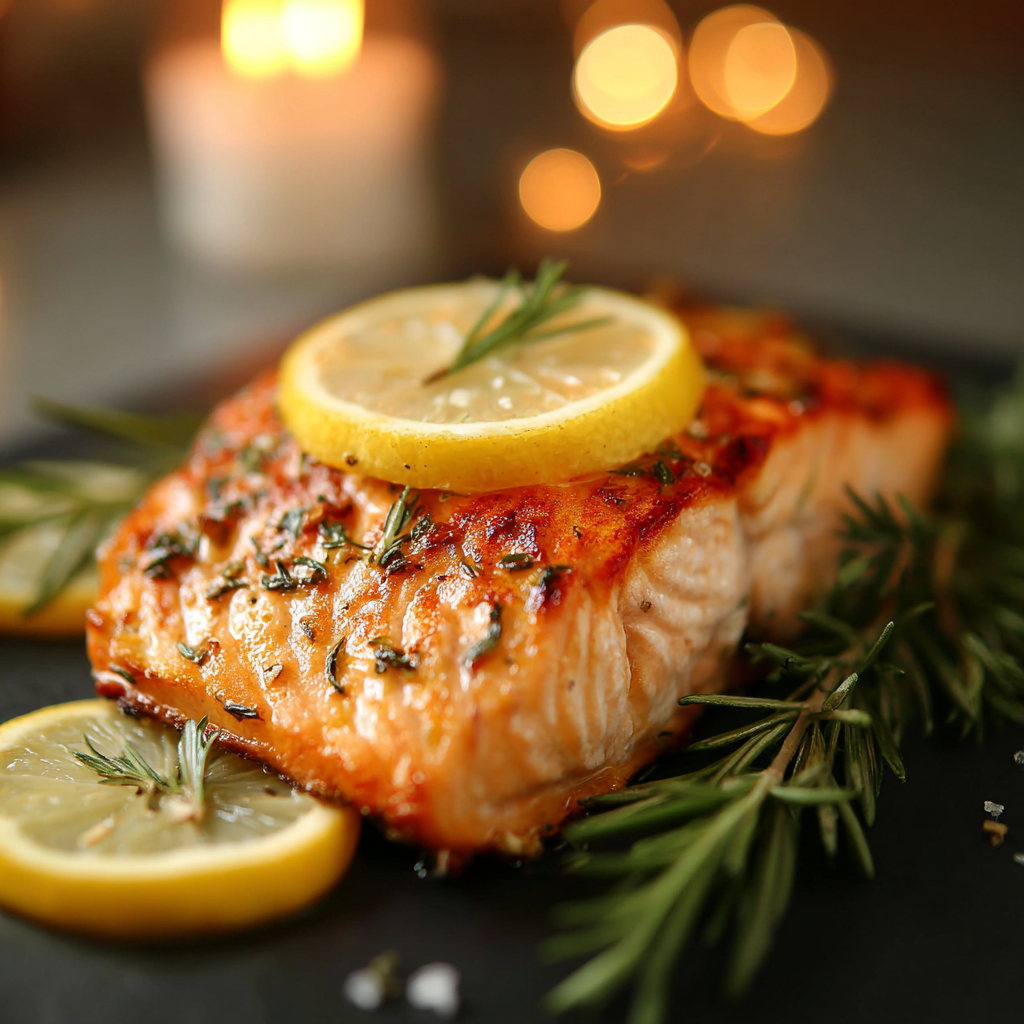
Step 7: Serve the salmon garnished with additional herbs and lemon wedges.
Presentation matters; garnishing with fresh herbs and lemon wedges not only beautifies the dish but also reinforces the flavors. A squeeze of fresh lemon just before serving will elevate the taste even further, ensuring a bright finish.

The Importance of Fresh Herbs
Using fresh herbs in the marinade for Lemon Herb Grilled Salmon significantly enhances the dish's flavor profile. Fresh parsley and dill offer a vibrant taste that dried herbs cannot replicate. Their bright, aromatic qualities complement the richness of the salmon, balancing out the meal. This attention to freshness ensures that every bite is infused with the essence of the garden.
Mastering the Grill: Heat Control Matters
Grilling salmon is an art that hinges on proper heat control. Too high of a heat can lead to charring while leaving the interior undercooked. It's vital to maintain a medium-high setting to sear the outside beautifully while cooking it through gently. Using a reliable grill thermometer helps keep track of temperature, ensuring your salmon achieves that perfect flakiness without compromising on texture.
Lemon Citrus Benefits Beyond Flavor
The addition of lemon to salmon is not just about taste; it also provides nutritional benefits. Lemons are high in vitamin C and antioxidant properties, which contribute to a healthy diet. They also assist in better iron absorption from the salmon. Incorporating this citrus fruit into your meals not only brightens flavors but enhances the overall health benefits of the dish.
FAQs
What if my marinade is too thick?
If your marinade feels too thick to coat the salmon easily, simply add a teaspoon of water or additional olive oil to thin it out. This will help ensure an even coating on the fish.
How do I know when the salmon is done cooking?
Salmon is properly cooked when it flakes easily with a fork and has an internal temperature of 145°F. Use a meat thermometer for the best accuracy.
Can I use frozen salmon for grilling?
Yes, but it's essential to fully thaw the salmon before marinating and grilling. This ensures even cooking and flavor absorption.
What can I do if the salmon tastes bland?
If your lemon herb grilled salmon lacks flavor, ensure to generously season with salt and pepper both before and after grilling. Serve with a fresh squeeze of lemon for an extra burst.
Is it possible to make this recipe with other fish?
Absolutely! This marinade pairs well with other fish types like trout or sea bass. Adjust the grilling time based on the thickness of the fillets.
What side dishes pair well with lemon herb grilled salmon?
Consider serving with grilled vegetables, a light salad, or rice pilaf to complement the flavors without overpowering the fish.
Conclusion
Lemon Herb Grilled Salmon is a delightful and nutritious choice for any meal. The combination of fresh herbs and zesty lemon not only uplifts the salmon but creates a dish that is both satisfying and healthful.
With simple ingredients and straightforward preparation, it’s a dish that allows home cooks of all levels to showcase their skills. Enjoy this wonderful recipe at your next gathering or as a wholesome weeknight dinner.
Recipe Card
Lemon Herb Grilled Salmon with Fresh Flavors
Ingredients
Method
- Prepare the marinade by combining lemon juice, zest, olive oil, garlic, parsley, dill, salt, and pepper in a bowl.
- Place the salmon fillets in a shallow dish and pour the marinade over them, ensuring they are well-coated.
- Preheat your grill to medium-high heat.
- Remove the salmon from the marinade, letting excess drip off, and place the fillets skin-side down on the grill grates.
- Grill the salmon for approximately 5-7 minutes on each side or until it’s cooked through.
- Carefully remove the grilled salmon from the grill and let it rest for a few minutes before serving.
- Serve the salmon garnished with additional herbs and lemon wedges.
Notes
Additional serving suggestions: pair with a crisp salad, garlic bread, or roasted seasonal vegetables for balance.
For make-ahead, prep components separately and assemble just before heating to preserve texture.
Taste and adjust with acid (lemon/vinegar) and salt right at the end to wake up flavors.