Introduction
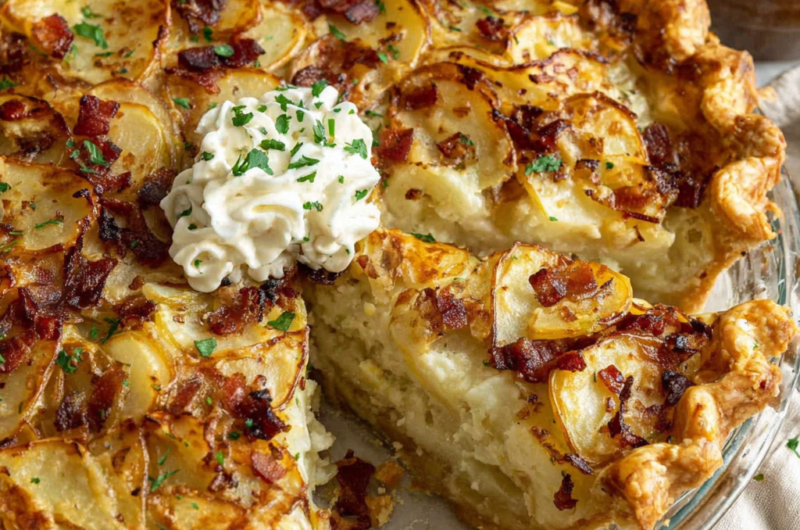
Irish Potato Pie, a comforting staple in Irish cuisine, beautifully encapsulates the heartiness of potatoes intertwined with a flaky crust. This dish has been cherished for generations, celebrated for its simplicity and rich flavor profile.
Often served during family gatherings or festive occasions, it brings a taste of tradition to the dinner table. The creamy filling paired with a buttery crust makes for an indulgent dish that is both satisfying and heartwarming.
Ingredients
- 2 pounds russet potatoes
Russet potatoes are perfect for mashing due to their starchy texture. They create a creamy filling that is the base of the pie, offering a fluffy and light consistency. - 1 cup whole milk
Whole milk adds richness to the filling, enhancing the creamy texture. It helps to create a smooth mash that binds the potatoes together while imparting a mild flavor. - 4 tablespoons unsalted butter
Butter not only adds flavor but also contributes to the moisture of the pie filling. It enriches the overall taste and helps achieve a luscious consistency. - 1 medium onion, finely chopped
The onion introduces a savory depth to the pie, balancing the sweetness of the potatoes. It adds essential aromatics, making the dish more complex. - 1 teaspoon salt
Salt is crucial for enhancing the natural flavors of the ingredients. It ensures that the pie filling is well-seasoned, preventing blandness. - 1/2 teaspoon black pepper
Black pepper adds a subtle heat and aroma, elevating the overall flavor profile of the potato filling. It complements the creaminess of the potatoes beautifully. - 1 egg, beaten
The beaten egg serves as a binding agent, helping the filling set and hold its shape in the pie. It also gives a golden hue to the top crust when baked. - 1 pre-made pie crust
The pie crust provides a buttery, flaky base that contrasts with the soft filling. A pre-made option simplifies the preparation process while maintaining a delicious outcome.
Directions & Preparation
Step 1: Preheat your oven to 400°F (200°C).
Preheating the oven is vital for ensuring that the crust bakes evenly and crisps up nicely. Starting with a hot oven promotes proper cooking and prevents sogginess.
Step 2: Peel and chop the potatoes, then boil them in salted water until tender.
Boiling the potatoes until they are tender ensures that they mash smoothly without lumps. Start checking for readiness after about 15-20 minutes. Drain and let them sit briefly to dry out excess moisture.
Step 3: In a skillet, melt 2 tablespoons of butter and sauté the chopped onion until translucent.
Sautéing the onions brings out their sweetness and adds depth to the flavor profile. This step is essential to increase the aromatic quality of the filling and balance the starchy potatoes.
Step 4: Mash the potatoes, then mix in the sautéed onions, remaining butter, salt, pepper, and milk until smooth.
Combining ingredients while the potatoes are still warm ensures they absorb the flavors properly. A smooth mash is crucial for achieving a silky filling that melds seamlessly with the crust.
Step 5: Add the beaten egg to the mixture, stirring well to combine.
The egg acts as a binder for the filling, allowing it to remain intact when sliced. This will also enhance the color and richness of the final product, giving it a more appealing appearance.
Step 6: Pour the potato mixture into the prepared pie crust, smoothing out the top.
Carefully filling the pie crust allows for even distribution of the potato mixture. Smoothing the top helps it to bake uniformly and create a pleasing presentation.
Step 7: Bake for 30-35 minutes or until the top is golden brown.
Baking until golden is essential for flavor development as it creates a delicious contrast between the creamy filling and a crispy crust. Ensure the center is hot through by checking with a knife.
Step 8: Allow the pie to cool for a few minutes before slicing.
Letting the pie rest after baking allows it to set slightly, which makes slicing easier and ensures the filling holds its shape. This also enhances the flavors, making for a more enjoyable experience.

Enhancing Your Potato Filling with Variations
To make your Irish Potato Pie uniquely yours, consider incorporating additional ingredients into the filling. Chopped leeks or cooked bacon can add more depth and complexity. Fresh herbs like chives or parsley can brighten the flavors, making each bite even more delightful.
Opting for a Homemade vs. Store-Bought Crust
While a pre-made crust saves time, a homemade version allows for customization and fresher flavors. If you opt for homemade, using a mix of butter and shortening can provide the perfect balance of flakiness and tenderness, ensuring a superior crust.
Serving Traditions and Suggestions
Irish Potato Pie is versatile in its serving suggestions. Traditionally, it can be served with greens such as sautéed cabbage or a simple salad for a balanced meal. Additionally, pairing it with a dollop of fresh sour cream or a zesty relish can elevate the dish, making it more memorable.
FAQs
What should I do if my filling is too thick?
If your filling ends up too thick, you can add a splash of milk or cream while mashing the potatoes. This will help loosen the mixture while keeping it creamy.
Can I scale the recipe for more servings?
Absolutely! To make a larger pie, simply double the quantities of the ingredients while keeping the same cooking times. Adjust the baking time as needed to ensure it's cooked through.
What if the flavor is bland?
If you find the filling lacks flavor, consider adding more seasoning, particularly salt and pepper. Introducing garlic powder or additional sautéed onions can enhance the taste profile significantly.
Can I use a different type of cheese in the filling?
Yes, you can definitely add cheese such as cheddar or a mild gouda for added flavor. Just remember to balance the amounts so the filling remains creamy and light.
Why is my pie crust soggy?
A soggy crust can result from placing a wet filling into the pie. Make sure the potatoes are well-drained and consider pre-baking the crust for a few minutes before adding the filling.
Is there a particular type of potato I should avoid?
Avoid waxy potatoes like red or fingerling potatoes as they don't mash well. These types retain too much moisture and can result in a gloopy filling rather than a light and fluffy one.
Conclusion
Irish Potato Pie represents the perfect marriage of comfort food and traditional flavors. It is a dish that not only satisfies but also brings a touch of warmth and nostalgia, making it an excellent choice for gatherings or weeknight dinners.
Embrace the opportunity to explore this classic recipe, and don’t hesitate to adapt it to your own tastes. Happy cooking, and may your kitchen be filled with delicious aromas and happy memories.
Recipe Card
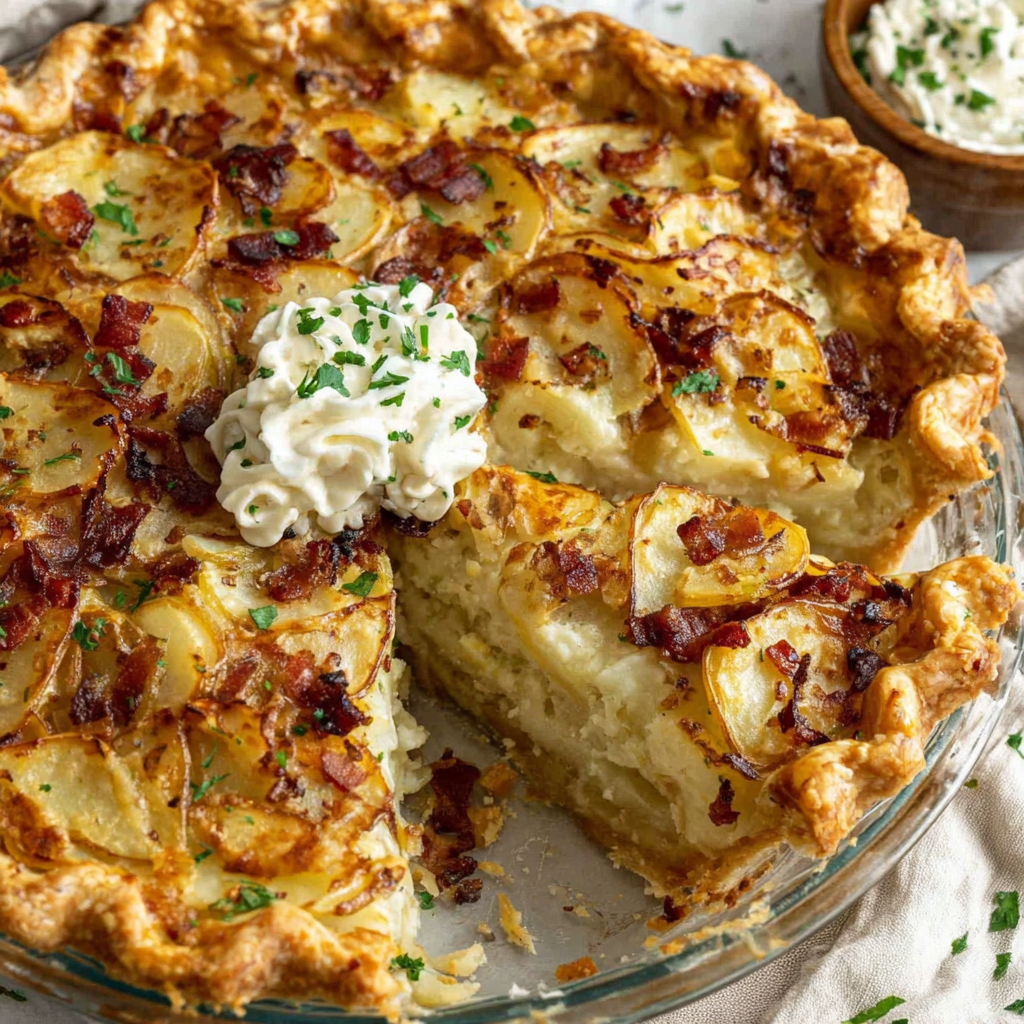
Savor the Traditional Flavors of Irish Potato Pie
Ingredients
Method
- Preheat your oven to 400°F (200°C).
- Peel and chop the potatoes, then boil them in salted water until tender.
- In a skillet, melt 2 tablespoons of butter and sauté the chopped onion until translucent.
- Mash the potatoes, then mix in the sautéed onions, remaining butter, salt, pepper, and milk until smooth.
- Add the beaten egg to the mixture, stirring well to combine.
- Pour the potato mixture into the prepared pie crust, smoothing out the top.
- Bake for 30-35 minutes or until the top is golden brown.
- Allow the pie to cool for a few minutes before slicing.
Notes
Additional serving suggestions: pair with a crisp salad, garlic bread, or roasted seasonal vegetables for balance.
For make-ahead, prep components separately and assemble just before heating to preserve texture.
Taste and adjust with acid (lemon/vinegar) and salt right at the end to wake up flavors.