Introduction
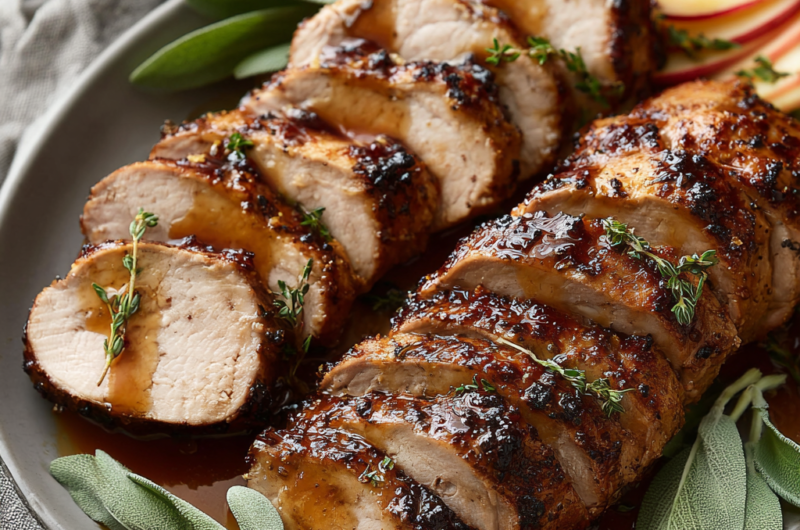
As the leaves change color and the air turns crisp, there's nothing quite like a comforting dish that captures the essence of autumn. Apple and sage pork tenderloin brings together the savory depth of pork with the sweet and tangy notes of apples, creating a harmony that delights the palate. This dish not only celebrates seasonal ingredients but also delivers on flavor and tenderness, making it a perfect centerpiece for any gathering.
Whether you’re cooking for a small family dinner or hosting friends, this recipe embodies warmth and sophistication. The combination of fresh sage and juicy apples pairs beautifully with the tenderness of the pork, creating a dish that is both visually appealing and flavorful. It’s simple enough for weeknight cooking yet impressive enough for special occasions, ensuring your guests will be talking about the meal long after it’s finished.
Ingredients
- 1.5 pounds pork tenderloin
Pork tenderloin is the star of this dish, known for its leanness and tenderness. It's a versatile cut that absorbs flavors beautifully and becomes incredibly juicy when cooked properly. - 2 medium apples, peeled and sliced
Apples add a natural sweetness and tartness to the dish that balances the richness of the pork. Varieties like Granny Smith or Honeycrisp work well, providing both flavor and texture. - 1 tablespoon fresh sage, chopped
Sage contributes an earthy, savory note that complements the apples and brings depth to the dish. Fresh sage is preferred for its vibrant flavor, while dried sage can be used in a pinch. - 2 tablespoons olive oil
Olive oil serves as the cooking fat, helping to achieve a golden-brown sear on the pork while adding richness to the dish. Its flavor enhances the overall taste without overpowering the other ingredients. - 1 small onion, thinly sliced
Onion adds a layer of sweetness and complexity. As they cook down, they become caramelized, further enriching the flavor profile of the dish. - 1 cup chicken broth
Chicken broth acts as the base for the braising process, keeping the pork moist and infusing it with savory notes. It also serves as a great sauce base to serve alongside the finished dish. - Salt and pepper to taste
Seasoning with salt and pepper is essential to enhance the natural flavors of the pork and apples. Adjusting the seasoning throughout the cooking process ensures a balanced taste.
Directions & Preparation
Step 1: Preheat your oven to 400°F (200°C).
Preheating the oven ensures that the pork tenderloin cooks evenly and develops a beautiful crust when placed in the oven. This step is crucial for achieving the perfect texture and flavor.
Step 2: Season the pork tenderloin generously with salt and pepper.
Seasoning the pork ahead of time allows the salt to penetrate the meat, enhancing its natural flavor. Be generous, as this step is vital for a well-seasoned dish that doesn't taste bland.
Step 3: In a large ovenproof skillet, heat olive oil over medium-high heat.
Heating the oil properly is key to achieving a nice sear on the pork. A good sear not only locks in moisture but also develops a rich, caramelized flavor that enhances the overall dish.
Step 4: Add the pork tenderloin to the skillet and sear on all sides until golden brown, about 2-3 minutes per side.
Searing the pork creates a flavorful crust that adds texture and depth to the dish. Pay attention to the color; a golden brown is ideal as it indicates that the sugars are caramelizing.
Step 5: Remove the pork from the skillet and set aside.
Setting the pork aside allows you to focus on building the flavor base for the dish. The remnants in the pan will infuse the onions and apples with additional flavor.
Step 6: In the same skillet, add the sliced onions and cook until softened, about 5 minutes.
Cooking the onions until softened releases their natural sweetness, which will meld beautifully with the apples and sage. This step is crucial for creating a flavorful foundation for the dish.
Step 7: Add the sliced apples and fresh sage to the skillet; cook for an additional 3-4 minutes until the apples begin to soften.
This step allows the apples to caramelize slightly, bringing out their sweetness and making them less crisp. By adding them now, they can infuse their flavor into the onions as they cook together.
Step 8: Return the pork tenderloin to the skillet, nestling it among the onions and apples.
This step not only facilitates even cooking but ensures that the pork absorbs the flavors of the apples and sage as it finishes in the oven. It's all about layering those delicious flavors.
Step 9: Pour the chicken broth around the pork, then transfer the skillet to the preheated oven.
Adding chicken broth keeps the pork moist while also creating a sauce as it cooks. The oven finish helps meld all the flavors together while keeping the meat tender.
Step 10: Roast in the oven for 25-30 minutes, or until the pork reaches an internal temperature of 145°F (63°C).
Cooking the pork to the proper internal temperature is crucial for food safety and ensuring the meat remains juicy. Invest in a meat thermometer for accuracy.
Step 11: Remove the skillet from the oven and let the pork rest for 5-10 minutes before slicing.
Resting the pork allows the juices to redistribute, making for a more tender and flavorful final dish. Cutting too soon can result in dry meat.
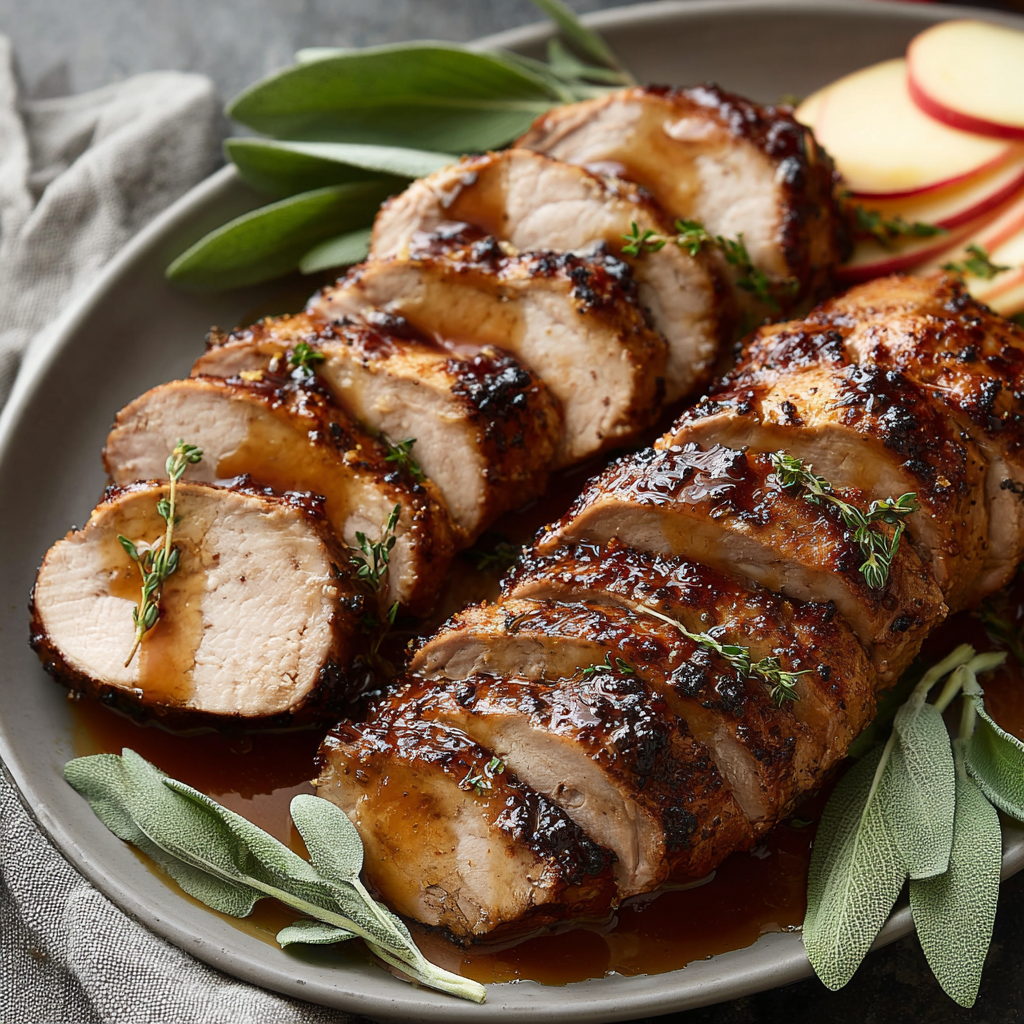
Step 12: Slice the pork and serve it with the apples and onions, drizzled with the pan sauce.
Serving the pork with the apples and onions creates a beautiful presentation. The pan sauce, rich with flavor from the cooking process, ties the dish together, adding moisture and taste.

The Perfect Pair: Apples and Pork
The sweet and tart flavor of apples pairs exceptionally well with pork, creating a classic combination that has stood the test of time. The balance between the savory richness of the meat and the freshness of the fruit enhances each bite, making it not just a meal but an experience. Sourcing fresh, seasonal apples allows you to take advantage of their natural sweetness, which can elevate an everyday dish into something memorable.
A Touch of Sage Brings Depth
Sage, with its earthy notes, acts as the perfect herb to complement both pork and apples. Its aroma is particularly evocative, heralding the fall season and adding warmth to the dish. The use of fresh sage rather than dried ensures that its vibrant flavor shines through, making it a key player in this recipe. This herb not only elevates the taste but also contributes to the dish's aromatic profile, making it a feast for the senses.
Creating the Perfect Sauce
The pan sauce made from the drippings and chicken broth is the finishing touch that takes this dish over the top. As the pork roasts, the flavorful juices meld with the onions and apples, creating a luscious sauce that adds moisture to the finished dish. Drizzling this sauce over the sliced pork enriches each bite while ensuring it doesn't dry out. It's an essential step, transforming what could be a simple roast into a culinary delight.
FAQs
What type of apples are best for this recipe?
Granny Smith or Honeycrisp apples work well, as they provide the right balance of sweetness and acidity.
What if my pork tenderloin is overcooked?
If the pork is overcooked, it may become dry. Serve it with plenty of pan sauce to add moisture back in.
Can I scale this recipe for a larger group?
Yes, you can easily double the ingredients and use a larger skillet or two pans. Just ensure you adjust the cooking time as needed.
How do I make the sauce thicker?
To thicken the sauce, you can reduce it by simmering on the stove or whisk in a cornstarch slurry for a quick fix.
Can I use dried sage instead of fresh?
Yes, dried sage can be used, but reduce the amount to about one-third, as dried herbs are more concentrated.
What sides pair well with apple and sage pork tenderloin?
Roasted vegetables, mashed potatoes, or a fresh salad complement the dish nicely, balancing the flavors.
Conclusion
Apple and sage pork tenderloin is not just a dish; it's a celebration of autumn flavors and warmth. The tender pork, infused with the sweetness of apples and the earthy aroma of sage, creates a meal that is perfect for both everyday dining and special occasions. With straightforward preparation and a burst of flavor in every bite, it invites everyone to gather around the table.
As you savor each bite, you’ll appreciate the harmony of textures and flavors that make this recipe a standout. Don’t hesitate to experiment with different apple varieties or even add other seasonal ingredients to personalize it further. Enjoy the journey of cooking and the joy of sharing delicious meals with loved ones.
Recipe Card
Savor the Flavor of Apple and Sage Pork Tenderloin
Ingredients
Method
- Preheat your oven to 400°F (200°C).
- Season the pork tenderloin generously with salt and pepper.
- In a large ovenproof skillet, heat olive oil over medium-high heat.
- Add the pork tenderloin to the skillet and sear on all sides until golden brown, about 2-3 minutes per side.
- Remove the pork from the skillet and set aside.
- In the same skillet, add the sliced onions and cook until softened, about 5 minutes.
- Add the sliced apples and fresh sage to the skillet; cook for an additional 3-4 minutes until the apples begin to soften.
- Return the pork tenderloin to the skillet, nestling it among the onions and apples.
- Pour the chicken broth around the pork, then transfer the skillet to the preheated oven.
- Roast in the oven for 25-30 minutes, or until the pork reaches an internal temperature of 145°F (63°C).
- Remove the skillet from the oven and let the pork rest for 5-10 minutes before slicing.
- Slice the pork and serve it with the apples and onions, drizzled with the pan sauce.
Notes
Additional serving suggestions: pair with a crisp salad, garlic bread, or roasted seasonal vegetables for balance.
For make-ahead, prep components separately and assemble just before heating to preserve texture.
Taste and adjust with acid (lemon/vinegar) and salt right at the end to wake up flavors.