Introduction
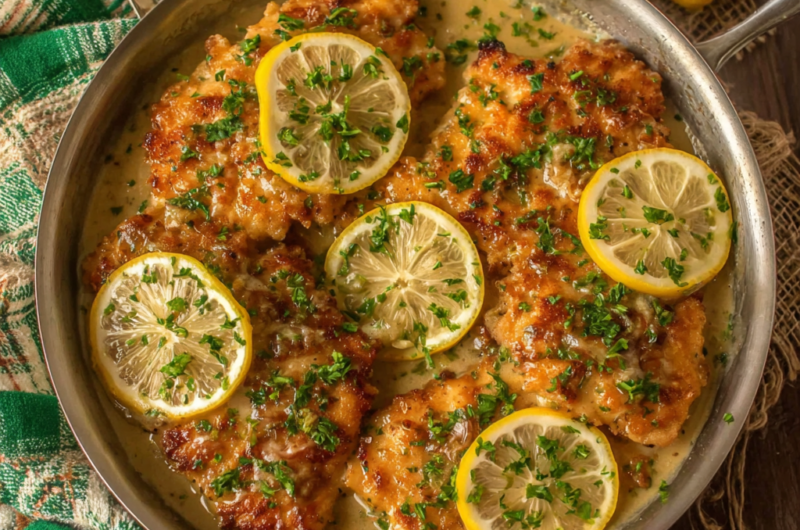
Lemon Chicken Francese is a classic Italian-American dish that brings a delightful burst of citrus flavor to your dinner table. The combination of tender chicken, a light and tangy lemon sauce, and a hint of white wine makes this recipe a perfect choice for both weeknight meals and special occasions.
The origins of Francese style cooking stem from the Italian word 'francese', indicating a Franco-influenced preparation. Traditionally, the dish features chicken that is lightly battered, pan-fried, and served in a luscious lemon sauce. The result? A dish that's both comforting and refreshingly bright.
This recipe will guide you in creating this delicious dish at home, highlighting essential ingredients and cooking techniques that elevate the plate to restaurant-level quality. Let's dive into the flavors and textures that make Lemon Chicken Francese a favorite.
Ingredients
- 4 boneless, skinless chicken breasts
Tender and lean, chicken breasts are the star of this dish. Their mild flavor pairs perfectly with the bright lemon sauce, while their quick cooking time makes them ideal for a fast meal. - 1 cup all-purpose flour
Flour is essential for dredging the chicken and creating a light crust. This not only enhances the texture but also helps the sauce to cling to the chicken. - 2 large eggs
Eggs provide a binding layer for the flour, ensuring the coating adheres well during cooking. They lend richness to the final dish, making it more satisfying. - 1/4 cup unsalted butter
Butter adds a rich flavor and helps to create a beautifully golden crust on the chicken. It also enriches the sauce, making it velvety and delectable. - 2 tablespoons olive oil
Oil allows for even cooking and browning of the chicken without overpowering its flavor. It also complements the butter, adding a fruity note to the dish. - 1/2 cup white wine
Wine adds depth and acidity, enhancing the overall flavor profile of the dish. A good quality dry white wine will impart a sophisticated touch. - 1 lemon, juiced and zested
The star ingredient, lemon provides the essential tangy flavor that defines this dish. The juice brightens the sauce, while the zest intensifies its fragrance. - Salt and black pepper, to taste
Seasoning is crucial for bringing out the flavors of the chicken and sauce. Balance is key to achieving a well-rounded dish. - Chopped fresh parsley, for garnish
Parsley adds a pop of color and freshness to the plate. It also brings a subtle herbaceous note that complements the lemon perfectly.
Directions & Preparation
Step 1: Prepare the chicken
Begin by placing the chicken breasts between two sheets of plastic wrap and gently pound them to an even thickness of about 1/2 inch. This helps ensure the chicken cooks evenly and remains tender. Season both sides of the chicken with salt and black pepper to enhance the flavor.
Step 2: Dredge in flour
Spread the flour on a large plate and dredge each chicken breast, coating both sides evenly. This coating will create a crispy outer layer when pan-fried and will help to thicken the sauce later. Shake off any excess flour to prevent clumping.
Step 3: Whisk the eggs
In a shallow bowl, beat the eggs until well combined. The eggs will form a protein-rich layer that helps the flour adhere during cooking, creating a beautiful crust. A well-beaten egg ensures an even coating.
Step 4: Heat the skillet
In a large skillet, heat the olive oil and half of the butter over medium-high heat until shimmering. The right temperature is crucial for getting that golden-brown crust without burning the coating. You should hear a sizzle when you add the chicken.
Step 5: Cook the chicken
Add the chicken breasts to the skillet in a single layer, without overcrowding. Cook for about 4-5 minutes on each side until golden brown, flipping only once for the best sear. Remove the chicken and set it aside on a plate; this initial browning creates foundational flavors.
Step 6: Prepare the sauce
In the same skillet, lower the heat slightly and add the white wine, scraping the bits stuck at the bottom—this fond adds immense depth to the sauce. Allow the wine to simmer for a few minutes until reduced by half, concentrating the flavors.
Step 7: Add lemon juice and zest
Stir in the lemon juice and zest, bringing a refreshing brightness to the pan. The acidity in the lemon balances the richness of the butter and wine, creating a well-rounded sauce. Allow it to simmer for a couple of minutes.
Step 8: Return the chicken to the skillet
Place the cooked chicken back into the skillet, spooning some sauce over the top. The chicken needs just a few minutes to absorb the flavors from the sauce, warming it through and ensuring every bite is infused with the zesty goodness.
Step 9: Finish with butter and garnish
Add the remaining butter to the skillet, swirling it around until melted and incorporated, creating a glossy sauce. This final touch enriches the sauce, providing that luxurious texture. Serve hot, garnished with fresh parsley for that final pop of color.

The Importance of Properly Seasoning Chicken
Seasoning chicken properly is crucial for achieving the right flavor profile. A well-seasoned breast will stand out against the backdrop of the lemon sauce. Adequate salt and pepper enhance the overall dish, ensuring every bite bursts with taste. This initial step sets the tone for the entire dish, guiding the final flavor experience.
Choosing the Right White Wine
The type of white wine you use can dramatically influence the sauce's flavor, so it's worth selecting wisely. A dry white wine, such as Sauvignon Blanc or Pinot Grigio, works best for this dish, complementing the lemon without overwhelming it. Wines with citrus notes elevate the dish and harmonize beautifully with the overall Mediterranean flavor.
Serving Suggestions for Lemon Chicken Francese
This vibrant dish pairs beautifully with a variety of sides. Consider serving it alongside a fresh arugula salad with a light vinaigrette to balance the richness of the chicken. Alternatively, lemon-infused or garlic sautéed vegetables add complementary flavors and textures, creating a well-rounded meal experience that pleases any palate.
FAQs
What if my sauce turns out too thick?
If your sauce is too thick, simply add a splash of chicken broth or water to thin it out. Stir well and simmer for a minute or two until the desired consistency is reached.
How can I scale this recipe for a larger crowd?
You can easily double or triple the ingredients while ensuring not to overcrowd the skillet while cooking. Cook in batches if necessary to maintain even cooking.
What if my chicken ends up overcooked?
If you find your chicken overcooked, consider serving it in slices over a bed of sauce. The added sauce can help moisten the chicken, making it more palatable.
Can I use chicken thighs instead of breasts?
Yes, chicken thighs can be used for a juicier result. Just remember that they may require slightly longer cooking time due to their higher fat content.
Is there a substitute for white wine in this recipe?
You may use chicken broth mixed with a squeeze of lemon juice as a substitute for white wine. This will keep the flavors balanced while avoiding alcohol.
How do I prevent the chicken from sticking to the pan?
Make sure your skillet is preheated before adding the oil, which helps create a non-stick surface. Additionally, avoid moving the chicken too soon; let it brown properly before flipping.
Conclusion
Lemon Chicken Francese is a vibrant, flavorful dish that can elevate any meal. With the right techniques and ingredients, you can create a dinner that’s not only fulfilling but also impressive to guests.
As you savor the bright, zesty flavors of the lemon sauce and the tender chicken, you'll find it hard to believe how simple this dish is to prepare. Embrace the joy of cooking with this delightful recipe, and enjoy the compliments that follow.
Recipe Card
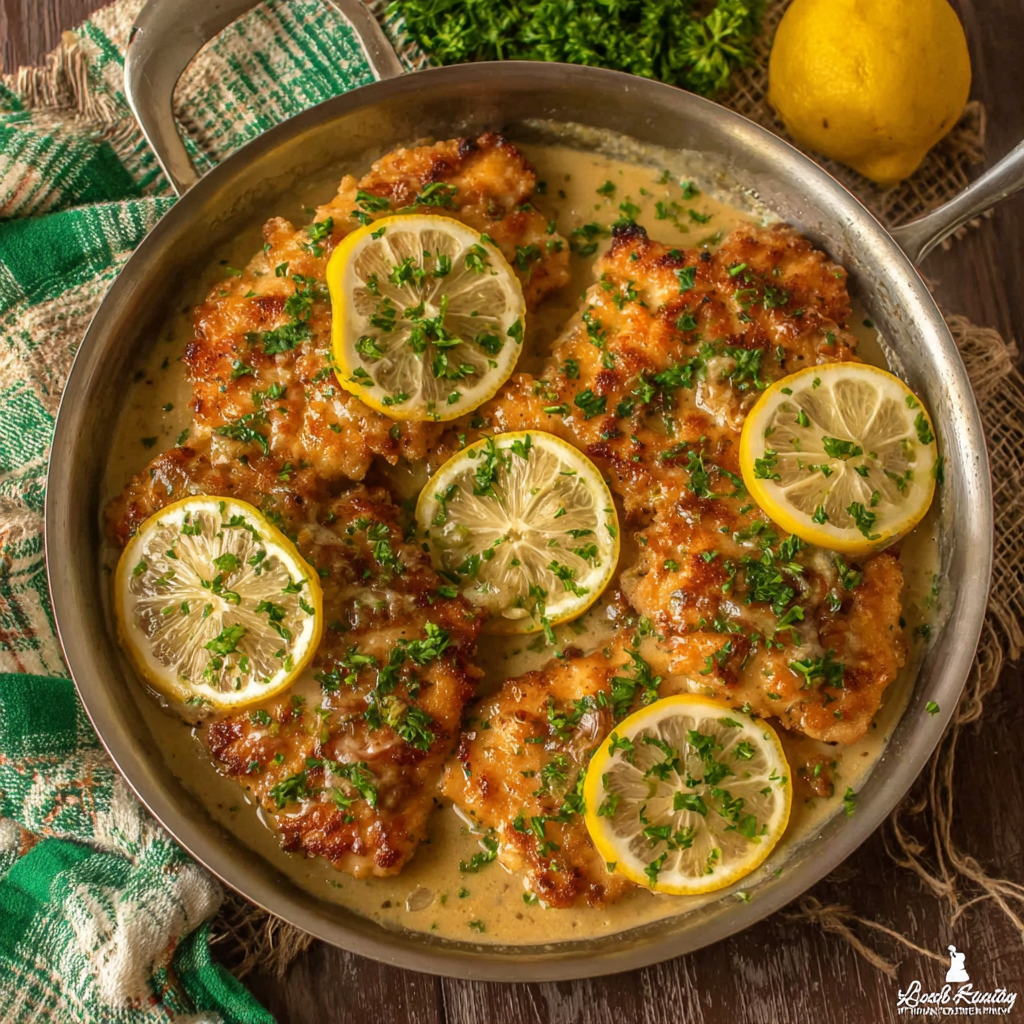
Lemon Chicken Francese: A Bright and Zesty Delight
Ingredients
Method
- Prepare the chicken
- Dredge in flour
- Whisk the eggs
- Heat the skillet
- Cook the chicken
- Prepare the sauce
- Add lemon juice and zest
- Return the chicken to the skillet
- Finish with butter and garnish
Notes
Additional serving suggestions: pair with a crisp salad, garlic bread, or roasted seasonal vegetables for balance.
For make-ahead, prep components separately and assemble just before heating to preserve texture.
Taste and adjust with acid (lemon/vinegar) and salt right at the end to wake up flavors.