Introduction
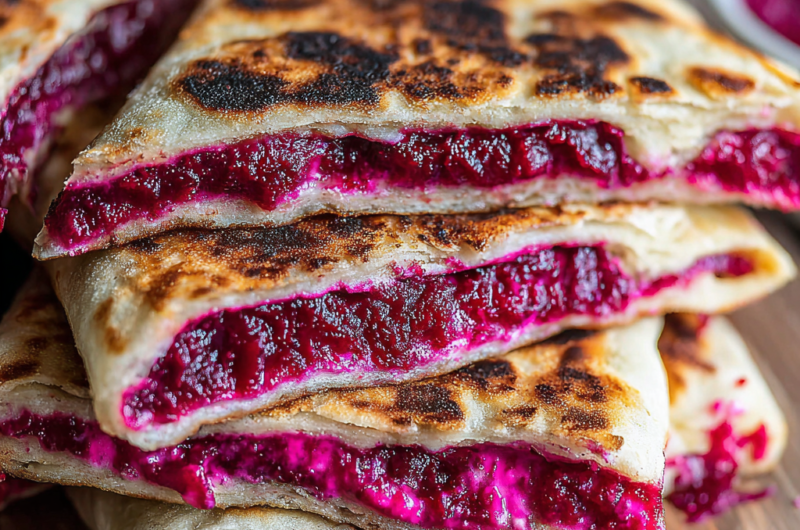
Gözleme, a traditional Turkish flatbread, has gained popularity in kitchens around the world. This versatile dish can be filled with a range of savory ingredients, but today we shine a light on a vibrant and bold combination: beetroot and horseradish. The sweet earthiness of beetroot pairs beautifully with the sharp, zesty kick of horseradish, creating a unique flavor experience.
Moreover, the bright color of beetroot makes gözleme visually appealing and adds a nutritional boost, enhancing the dish with vitamins and minerals. This recipe invites home cooks to experience the joy of crafting their own gözleme while discovering delightful flavor combinations that elevate a simple meal into an artful culinary creation.
Ingredients
- 2 medium beetroot, grated
Beetroot provides natural sweetness and vibrant color, enhancing both nutritional content and visual appeal. Its earthy flavor balances the zesty horseradish, creating a harmonious dish. - 2 tablespoons prepared horseradish
The horseradish adds a sharp, spicy element to the gözleme, cutting through the sweetness of the beetroot. This pungent ingredient gives the dish a refreshing kick. - 1 cup crumbled feta cheese
Feta offers a creamy texture and salty flavor that complements the earthiness of beetroot and the sharpness of horseradish, creating a rich filling. It also helps to bind the ingredients together. - 2 cups all-purpose flour
Essential for the dough, all-purpose flour forms the base of gözleme, giving it structure and elasticity. The quality and type of flour greatly affect the texture of the final product. - 1 teaspoon salt
Salt enhances the flavors of the ingredients, ensuring the eyes savor every bite. It also strengthens the gluten structure of the dough, improving its overall texture. - 3/4 cup warm water
Warm water activates the gluten in the flour, creating a pliable dough. The right temperature also aids in yeast activation, should you opt to add any leavening agent. - Olive oil for frying
Olive oil not only prevents the gözleme from sticking to the pan but also imparts a rich flavor and helps achieve a crispy, golden exterior during frying.
Directions & Preparation
Step 1: Prepare the dough by mixing flour and salt in a bowl.
This step is crucial as it sets the foundation for your gözleme. Combining the flour with salt ensures even distribution of flavor. Make sure to use a clean bowl to avoid contamination. A well-mixed dough will lead to a pleasant texture.
Step 2: Gradually add warm water while kneading until a smooth dough forms.
Kneading is essential for developing gluten, which gives the dough its structure. The texture you aim for is smooth and elastic. If the dough feels too dry, a few additional drops of water can help achieve the desired consistency.
Step 3: Cover the dough with a damp cloth and let it rest for 30 minutes.
Resting allows the gluten to relax, making the dough easier to roll out later. This step ensures a more yieldable dough, facilitating the creation of thin and even gözleme without tearing.
Step 4: In a bowl, mix the grated beetroot, horseradish, and feta cheese.
Combining these ingredients ahead of time allows their flavors to meld, ensuring a balanced filling. The moisture from the beetroot can soften the feta, making it creamier and enhancing the overall flavor profile.
Step 5: Divide the dough into four equal portions and roll each into a circle.
Rolling the dough evenly ensures uniform cooking. Aim for about 1/8 inch thickness for a crispy finish. If your dough is too thick, the gözleme won't cook through properly, while too thin may lead to bursting during frying.
Step 6: Spread the beetroot mixture on half of each dough circle, fold over, and seal the edges.
Folding the dough creates a pocket for the filling while sealing the edges helps prevent leaking during cooking. Be sure to press firmly to ensure the edges stick, which will keep the filling secure.
Step 7: Heat olive oil in a frying pan over medium heat.
The right temperature ensures the gözleme cooks evenly without burning. If the pan is too hot, it will char the outside while leaving the inside undercooked. A moderate heat will yield a perfect golden-brown crust.
Step 8: Cook each gözleme for about 3-4 minutes on each side, until crispy and golden.
Cooking time may vary based on thickness and heat level. Keep a close watch to avoid overcooking. A perfect gözleme will have a crisp exterior and melted filling that oozes from the edges when cut.
Step 9: Remove from heat and let them cool slightly before slicing.
Letting them rest for a moment allows the filling to set slightly, making for a neater cut. Slicing too soon can lead to spilling the delicious filling. Enjoy this savory delight warm for the best experience.

The Art of Dough for Gözleme
Creating a pliable and elastic dough is the backbone of perfect gözleme. It's essential to use the right flour, as a high-protein option fosters gluten development, crucial for forming that characteristic chewy texture. Kneading thoroughly ensures that the dough is smooth and expands easily when rolled out. Keeping the dough moist during the resting period is key; a damp cloth will prevent it from drying out and make it more forgiving during shaping.
Balancing Flavors: Beetroot and Horseradish
The dynamic duo of beetroot and horseradish offers a wonderful contrast in flavors. Beetroot’s inherent sweetness balances beautifully with the sharp and pungent notes of horseradish. This not only pleases the palate but also enhances the dish’s visual appeal with striking hues. Including feta cheese ties these flavors together, contributing creaminess that mellows the overall taste, ensuring each bite is as delightful as the last.
Frying Techniques for Perfect Gözleme
Frying gözleme to achieve a golden, crispy outside requires the right temperature and enough oil for even cooking. A medium heat is crucial to prevent burning while allowing a perfect cook throughout. Using a cast-iron skillet can provide optimal heat retention, leading to a well-cooked gözleme. Monitor closely towards the end of cooking to avoid overcrisping; the goal is a delightful crunch that contrasts with the soft, warm filling inside.
FAQs
What can I do if my gözleme filling is too thick?
If your filling feels overly thick, add a little olive oil or a dash of water to loosen it slightly. This will help it spread more easily across the dough.
How can I adjust the flavor if it’s too bland?
To enhance flavor, consider adding herbs like dill or mint to the filling. A touch of lemon juice can also brighten the overall taste, balancing the earthiness of the beetroot.
Can I use other cheese options for the filling?
Yes, cheese varieties like ricotta or goat cheese can be substituted for feta. Each type will offer a different flavor profile and texture, allowing for personal preference.
What if the dough keeps springing back when rolled?
This is usually due to insufficient resting time. If your dough is too elastic, let it rest a bit longer under a damp cloth to relax the gluten, making it easier to roll.
How can I create variations with different fillings?
Feel free to experiment with other root vegetables or greens like spinach or sweet potatoes, combining them with different spices or herbs based on your preference.
Is it possible to make the dough more nutritious?
You can enhance the nutritional profile by substituting half of the all-purpose flour with whole wheat flour or adding seeds like flaxseed or chia to the dough.
Conclusion
Making gözleme with beetroot and horseradish at home allows you to explore unique flavors while enjoying a traditional dish. The process is simple, and the fresh ingredients contribute to a vibrant meal that can impress family and friends alike.
Whether served as a light lunch, snack, or appetizer, this recipe invites creativity in the kitchen. Next time you're in the mood for a culinary adventure, enjoy the delightful combination of sweet beetroot and zesty horseradish in your homemade gözleme.
Recipe Card
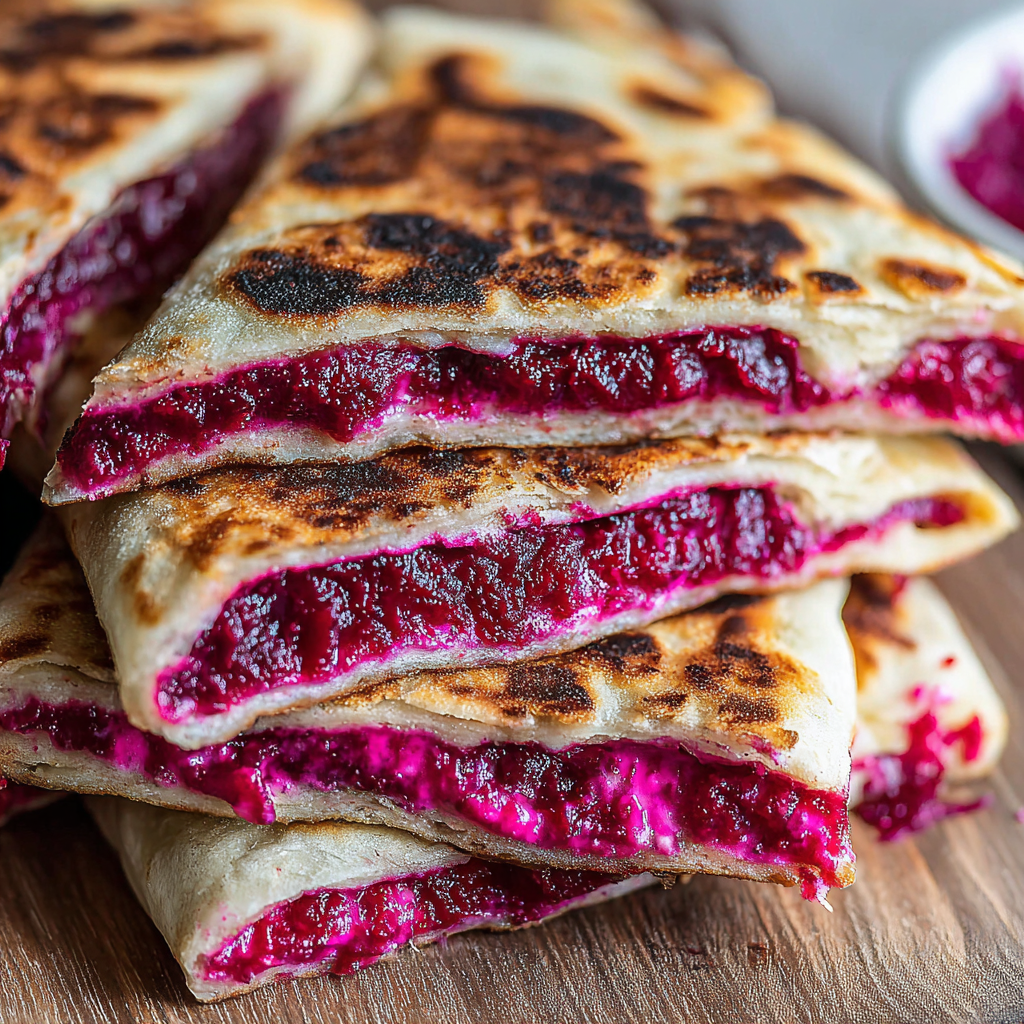
Gözleme with Beetroot and Horseradish Delight
Ingredients
Method
- Prepare the dough by mixing flour and salt in a bowl.
- Gradually add warm water while kneading until a smooth dough forms.
- Cover the dough with a damp cloth and let it rest for 30 minutes.
- In a bowl, mix the grated beetroot, horseradish, and feta cheese.
- Divide the dough into four equal portions and roll each into a circle.
- Spread the beetroot mixture on half of each dough circle, fold over, and seal the edges.
- Heat olive oil in a frying pan over medium heat.
- Cook each gözleme for about 3-4 minutes on each side, until crispy and golden.
- Remove from heat and let them cool slightly before slicing.
Notes
Additional serving suggestions: pair with a crisp salad, garlic bread, or roasted seasonal vegetables for balance.
For make-ahead, prep components separately and assemble just before heating to preserve texture.
Taste and adjust with acid (lemon/vinegar) and salt right at the end to wake up flavors.