Introduction
As the days grow longer and the air warms with the promise of spring, a vibrant array of seasonal vegetables beckons from farmers' markets and grocery aisles. Spring veggie flatbreads are a delightful way to celebrate this bounty, letting fresh produce shine within a simple yet satisfying dish. Whether it's a light lunch, a snack, or a centerpiece for a social gathering, these flatbreads are versatile and incredibly flavorful.
What makes this dish particularly appealing is its adaptability. With every season comes a different set of vegetables, allowing you to craft your flatbreads according to what’s freshest on your plate. Today, we’ll explore how to prepare these flatbreads from scratch, focusing on how each ingredient contributes to flavor and texture.
From a crisp crust to a colorful topping of seasonal vegetables, these flatbreads are not just visually stunning but also packed with nutrients. It’s an opportunity to experiment with flavors, textures, and your own favorite spring veggies.
Ingredients
- 2 cups all-purpose flour
All-purpose flour forms the base of the flatbread dough. It provides the right balance of gluten to create a chewy texture while maintaining a lightness that complements the fresh toppings. - 1 teaspoon sea salt
Salt enhances the flavor of the dough and helps to strengthen the gluten structure, resulting in a better rise and texture. It also elevates the overall taste of the flatbreads. - 3/4 cup warm water
Warm water is essential for activating the yeast, which helps the dough rise and makes it light and fluffy. The temperature should be just right—not too hot or cold—to optimize the yeast function. - 1 tablespoon olive oil
Olive oil contributes moisture to the dough and adds a subtle richness. It also helps prevent the flatbreads from becoming dry and assists in achieving a golden exterior when baked. - 1 cup fresh asparagus, trimmed and cut into small pieces
Asparagus adds a delightful crunch and a hint of earthiness to the flatbreads, making it a star ingredient of spring cooking. It’s light and pairs beautifully with various other vegetables. - 1 cup cherry tomatoes, halved
Cherry tomatoes provide a burst of sweetness and acidity, complementing the other flavors. They release juices as they cook, which keeps the flatbreads moist. - 1 zucchini, sliced
Zucchini is a versatile vegetable that adds a mild flavor and a satisfying texture. Cooked until tender, it enhances the overall composition of the flatbreads. - 1/2 cup feta cheese, crumbled
Feta cheese adds a creamy, salty flavor that beautifully contrasts the fresh veggies. Its tanginess brings a depth to the flatbreads. - 1 tablespoon fresh basil, chopped
Fresh basil provides a fragrant lift and bright herbal notes, enhancing the overall freshness of the dish and a perfect pairing with the other ingredients. - 1 teaspoon balsamic glaze (for drizzling)
Balsamic glaze adds a sweet-tart element that elevates the flavor profile of the flatbreads, delivering a finishing touch that ties all components together.
Directions & Preparation
Step 1: Prepare the dough
In a mixing bowl, combine the flour and salt. Create a well in the center and add warm water and olive oil. Gradually mix the dry ingredients into the wet until a rough dough forms. This step is crucial as it sets the foundational texture for your flatbreads; ensuring you achieve a balance between hydration and flour will directly affect the final product.
Step 2: Knead the dough
Transfer the dough to a floured surface and knead for about 5-7 minutes, or until it’s smooth and elastic. Kneading develops the gluten, creating the right texture. Don’t skip this step; a well-kneaded dough will rise better and prevent the flatbreads from being too dense.
Step 3: Rest the dough
Cover the kneaded dough with a damp cloth or plastic wrap and let it rest in a warm place for about 30 minutes. This resting period allows the gluten to relax, making it easier to roll out later and resulting in a lighter flatbread.
Step 4: Preheat the oven
While the dough rests, preheat your oven to 450°F (230°C). A hot oven is essential for crisping up the flatbreads and achieving that lovely golden color. Ensure that you also prepare a baking sheet lined with parchment paper or a baking stone.
Step 5: Prepare the toppings
In a bowl, mix the asparagus, cherry tomatoes, zucchini, feta, and basil. Season with salt and pepper to taste. This step is important as it combines the fresh flavors, ensuring each bite of the flatbreads is bursting with that vibrant spring essence.
Step 6: Roll out the dough
Once rested, divide the dough into four equal portions. Roll each portion into a flat, oval shape about 1/4 inch thick. It's essential to roll evenly to ensure that the flatbreads cook thoroughly. Aim for a uniform thickness for consistent cooking.
Step 7: Assemble the flatbreads
Place the rolled-out dough onto the prepared baking sheet. Distribute the vegetable topping mixture evenly over each flatbread, ensuring every corner gets some love. This step is your opportunity to be creative—feel free to adjust the veggie distribution according to your preference.
Step 8: Bake the flatbreads
Place the flatbreads in the oven and bake for 12-15 minutes, or until the edges are golden and the vegetables are tender. Keep an eye on them to avoid overcooking; you want them crisp but not burnt. Baking allows all the flavors to meld together beautifully.
Step 9: Drizzle with glaze and serve
Once baked, remove the flatbreads from the oven and drizzle with balsamic glaze. Let them cool for a few minutes before slicing. This final touch adds a glossy finish and a burst of flavor, balancing the savory elements perfectly. Serve warm and enjoy!

The Versatility of Spring Greens
Spring is the season for vibrant greens, and incorporating them into your flatbreads is an excellent way to maximize color and nutrition. Spinach, arugula, or even kale can lend not only freshness but also unique flavors. The beauty lies in being able to swap out veggies based on what appeals to you, creating endless combinations that reflect the season's bounty.
Feta: The Flavor Balancer
Feta cheese plays a pivotal role in these flatbreads; its salty, tangy profile complements the fresh vegetables beautifully. Furthermore, opting for a quality feta can elevate your dish, rounding out the flavors and adding a creamy texture. Whether crumbled or sliced, this cheese is essential for that delightful taste contrast.
Perfecting the Dough Texture
The dough is critical for achieving the ideal flatbread texture. A balance between hydration and flour is key. If the dough feels too sticky, add a sprinkle of flour; too dry? A tablespoon of water can work wonders. Observing the dough’s consistency during preparation will lead to success and delightful flatbreads that are slightly chewy with crisp edges.
FAQs
What vegetables can I use for toppings?
Feel free to experiment with seasonal vegetables like radishes, bell peppers, or even seasonal mushrooms. The key is to choose veggies that complement each other in flavor.
Can I make the flatbreads spicier?
Absolutely! Consider adding crushed red pepper flakes or sliced jalapeños to the vegetable mixture for a spicy kick. Adjust according to your taste preference.
What if my flatbread dough is too sticky?
If the dough becomes overly sticky, gradually incorporate a little more flour while kneading. This additional flour will help achieve the right consistency.
Can this recipe be scaled for larger gatherings?
Yes, simply multiply the ingredients by the number of servings needed. Ensure to roll out the dough in smaller batches to maintain even cooking.
What if my flatbreads come out soggy?
If your flatbreads turn out soggy, they may have been topped with too many vegetables or undercooked. Ensure vegetables are not overly wet before baking and keep an eye on baking time.
Can I use whole-wheat flour instead?
Yes, whole-wheat flour can be used. However, it will change the texture, making them denser. You might consider a combination of whole-wheat and all-purpose flour.
Conclusion
Spring veggie flatbreads are a true celebration of the season's fresh produce and offer a canvas for creativity in your kitchen. The balance of flavors, textures, and colors can transform a simple gathering into a delightful feast, leaving your guests impressed.
As you explore different combinations of vegetables and flavors, remember that the joy of cooking is rooted in experimentation. Each batch of flatbreads can be uniquely yours, reflecting the best of what spring has to offer.
Recipe Card
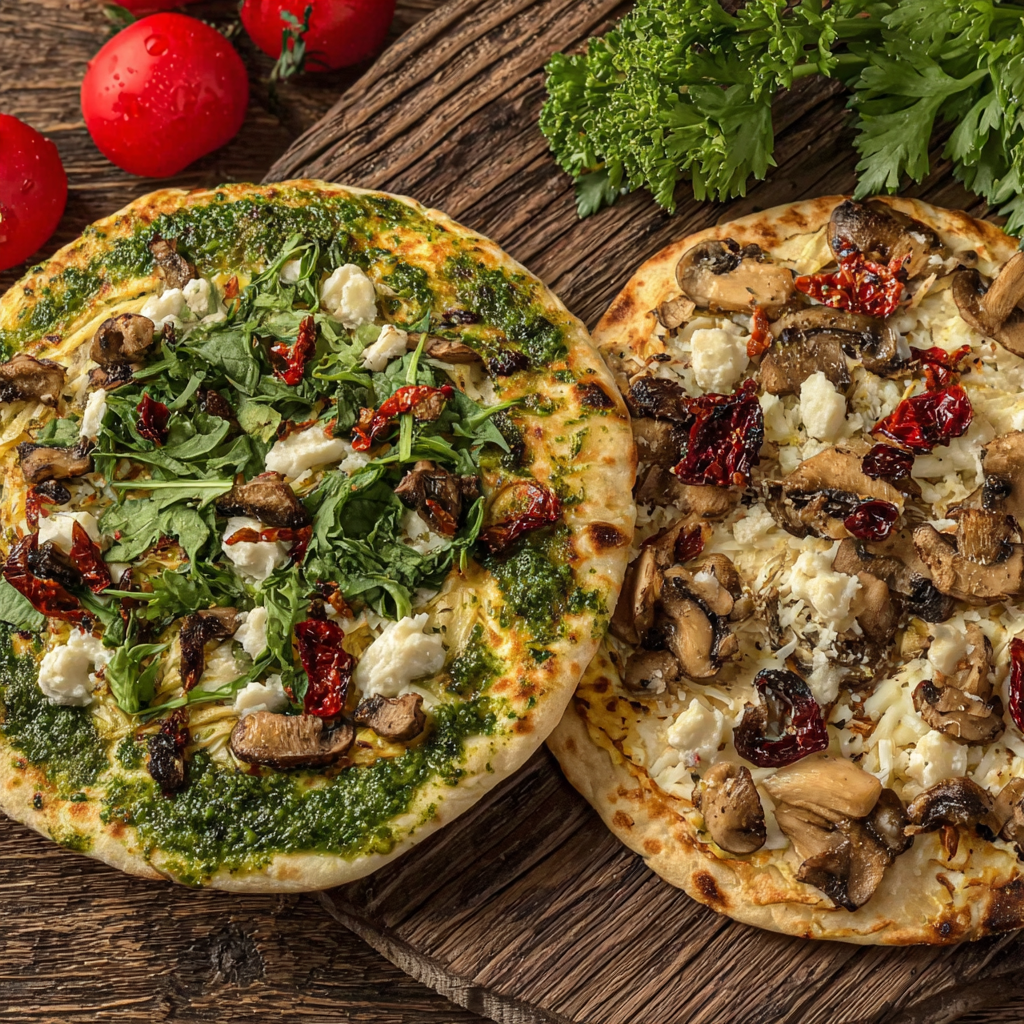
Fresh Spring Veggie Flatbreads to Savor
Ingredients
Method
- Prepare the dough
- Knead the dough
- Rest the dough
- Preheat the oven
- Prepare the toppings
- Roll out the dough
- Assemble the flatbreads
- Bake the flatbreads
- Drizzle with glaze and serve
Notes
Additional serving suggestions: pair with a crisp salad, garlic bread, or roasted seasonal vegetables for balance.
For make-ahead, prep components separately and assemble just before heating to preserve texture.
Taste and adjust with acid (lemon/vinegar) and salt right at the end to wake up flavors.