Introduction
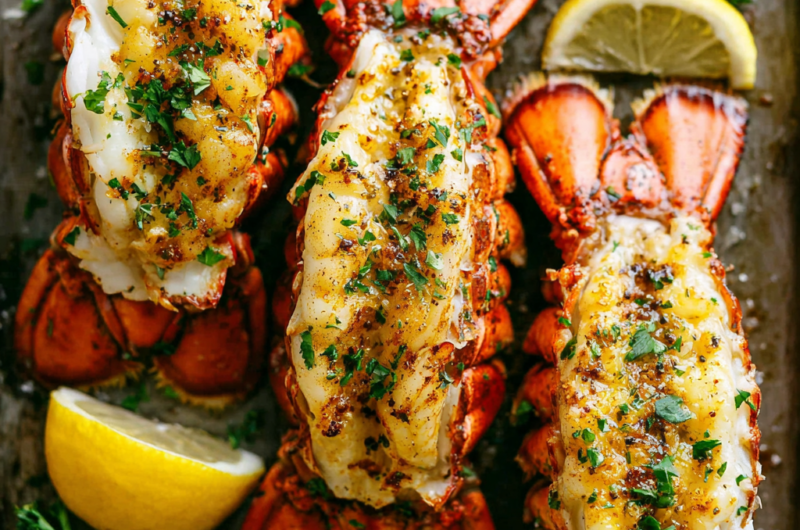
Lobster tail is a prized delicacy that can transform an ordinary meal into an extraordinary dining experience. Its tender, sweet meat and luxurious texture make it a favorite at gourmet restaurants, but with a bit of effort, you can replicate that magic at home.
Whether you're hosting a special occasion or simply indulging in a lavish dinner for yourself, mastering lobster tail is within your reach. The cooking methods vary from grilling to broiling, each offering unique flavors and textures.
In this article, you'll discover how to prepare lobster tail to perfection, along with delicious flavors that complement its natural richness. With simple yet effective techniques, elevate your culinary skills and enjoy this seafood treasure.
Ingredients
- 4 lobster tails
Fresh lobster tails are the star of this dish, providing the main protein. Their sweet, buttery meat becomes tender and flavorful when cooked correctly. - 4 tablespoons unsalted butter
Butter enhances the richness of lobster meat, adding a silky texture and a creamy flavor that complements the natural sweetness of the lobster. - 2 cloves garlic, minced
Garlic contributes a fragrant backdrop with a slightly spicy character that balances the sweetness of the lobster, elevating the overall flavor. - 1 tablespoon fresh lemon juice
Lemon juice brightens the dish and adds acidity, which helps to cut through the richness of the butter and amplifies the fresh ocean flavor. - 1 teaspoon smoked paprika
Smoked paprika introduces a subtle smokiness and warmth, enhancing both the appearance and taste of the lobster tail, creating a well-rounded dish. - Salt and pepper, to taste
Essential for seasoning, salt and pepper help to enhance the flavors in the dish, ensuring that every bite is perfectly balanced.
Directions & Preparation
Step 1: Preheat your oven to broil.
Preheating the oven to broil is crucial for achieving that perfect crispy and caramelized surface on the lobster tail. Broiling cooks quickly and effectively, so having the temperature ready ensures an ideal cooking environment.
Step 2: Prepare the lobster tails by cutting the top of the shells.
Cutting the top of the shells allows for easier access to the meat and enables the heat to penetrate efficiently. This ensures even cooking and allows the flavorful butter and seasonings to soak into the meat.
Step 3: In a small bowl, mix melted butter, garlic, lemon juice, smoked paprika, salt, and pepper.
Creating this mixture combines all the flavors that will enhance the lobster, ensuring the meat is bathed in garlicky, buttery goodness. This step is vital for infusing the lobster with flavor every bite.
Step 4: Brush the mixture generously over the lobster meat.
Brushing the mixture onto the lobster meat not only flavors it well but also helps in achieving a nice golden-brown crust while broiling. Don't hesitate to use a good amount of the mixture for maximum flavor.
Step 5: Place the lobster tails on a baking sheet and broil them.
This is the key cooking step, as broiling cooks the lobster rapidly, keeping it tender and juicy. Watch carefully to avoid overcooking, which can lead to dry meat.
Step 6: Broil for about 10-12 minutes, until the lobster is opaque and the meat is flaky.
Knowing the perfect cooking time is essential. The lobster will turn opaque as it cooks, and once it flakes easily with a fork, you know it's done. Timing is crucial to ensure it's moist and tender.
Step 7: Remove from oven and let it rest for a few minutes before serving.
Allowing the lobster to rest will help the juices redistribute, keeping it moist. This step is often overlooked but is important for ensuring a satisfying texture and flavor.

Choosing the Perfect Lobster Tail
When selecting lobster tails, freshness is key. Look for tails with a firm shell, free from any signs of discoloration or unpleasant smells. Fresh lobster should feel heavy for its size and have a slight ocean odor. Frozen tails can be just as good if thawed properly, but it’s best to use fresh when available to capture that exquisite taste.
Creative Butter Blends for Flavor Variation
While the classic butter mixture is delightful, experimenting with different flavors can elevate your lobster tail dish further. Try adding herbs like dill or tarragon, or spice it up with chili flakes for a kick. Consider infusing the butter with citrus zest before blending for bright notes that can harmonize with the tender lobster.
Pairing Wines with Lobster Tail
Pairing the right wine with lobster tail enhances the entire dining experience. Opt for a crisp white wine, like Chardonnay or Sauvignon Blanc, which complements the richness of the lobster. If you prefer red, a light Pinot Noir can also work well, adding complexity without overpowering the delicate flavors of the dish.
FAQs
What should I do if my lobster meat is tough?
If the lobster meat is tough, it may have been overcooked or cooked at too high a temperature. Always monitor the cooking time closely and ensure to remove it once it’s opaque and flakes easily.
Can I add other spices to the garlic butter mix?
Absolutely! Feel free to customize your seasoning by adding herbs like parsley or thyme, or spices such as cayenne pepper for heat. This is a great way to personalize the flavor to your liking.
Is it possible to grill lobster tails instead of broiling?
Yes! Grilling lobster tails adds a wonderful smoky flavor. Cook them on medium heat for about the same time as broiling, but make sure to watch closely to avoid overcooking.
How can I tell when the lobster is fully cooked?
The lobster is fully cooked when it turns opaque and the meat is firm yet tender. A fork should easily flake the meat, but if it feels rubbery, it may need slightly more cooking.
What can I substitute for lobster tails in this recipe?
If lobster tails aren't available, consider using shrimp or fish fillets like salmon. They won't replicate the exact flavors but can provide a satisfying alternative.
How do I prevent the lobster tails from curling while cooking?
To prevent curling, you can gently score the tail along the shell and secure it with a toothpick. This keeps the meat flat and allows for even cooking.
Conclusion
Cooking lobster tail at home may seem daunting, but with the right approach, it’s a satisfying and impressive dish to master. The combination of simple ingredients and techniques creates a restaurant-quality meal that you can enjoy any night of the week.
Take the time to enjoy the process, and don’t hesitate to experiment with flavors that resonate with your palate. With practice, cooking lobster tail will become just as familiar as any other staple in your kitchen, bringing joy to every meal.
Recipe Card
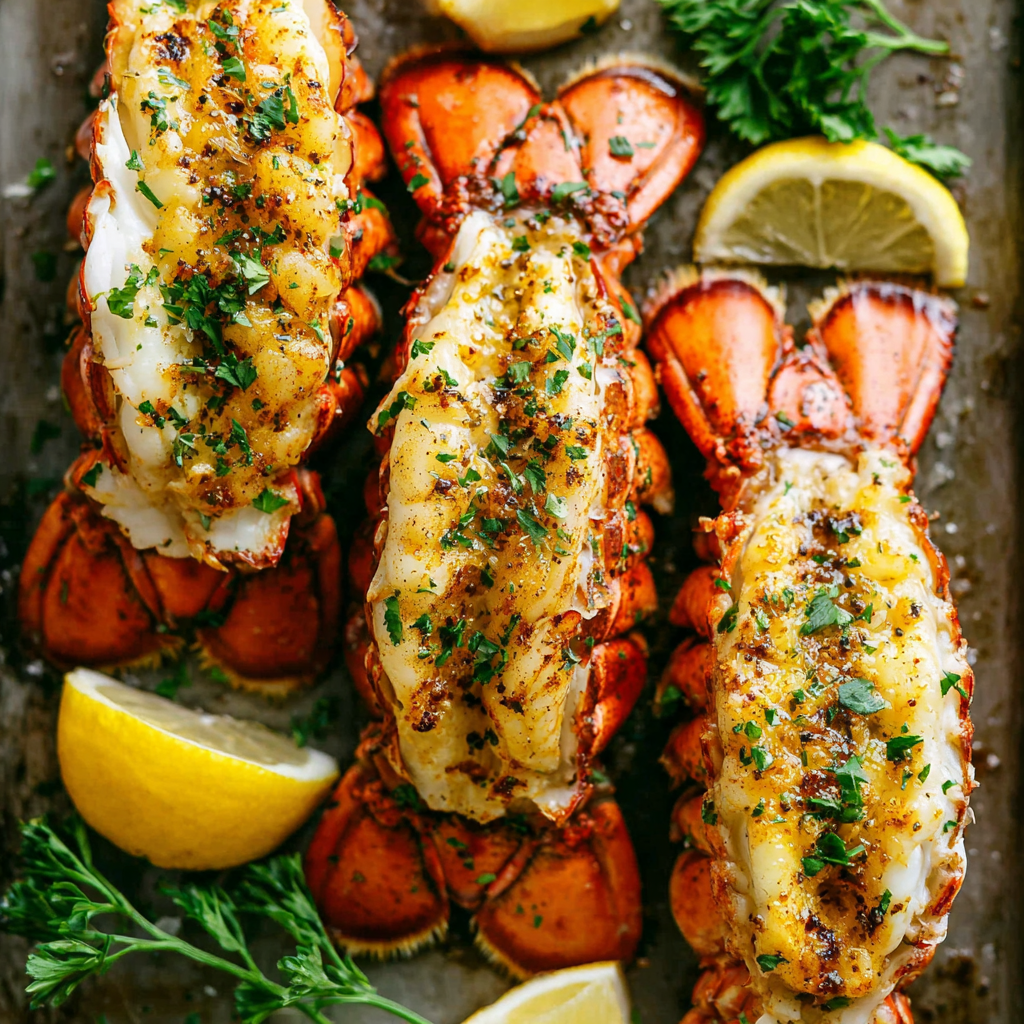
Elevating Dinners with Succulent Lobster Tail
Ingredients
Method
- Preheat your oven to broil.
- Prepare the lobster tails by cutting the top of the shells.
- In a small bowl, mix melted butter, garlic, lemon juice, smoked paprika, salt, and pepper.
- Brush the mixture generously over the lobster meat.
- Place the lobster tails on a baking sheet and broil them.
- Broil for about 10-12 minutes, until the lobster is opaque and the meat is flaky.
- Remove from oven and let it rest for a few minutes before serving.
Notes
Additional serving suggestions: pair with a crisp salad, garlic bread, or roasted seasonal vegetables for balance.
For make-ahead, prep components separately and assemble just before heating to preserve texture.
Taste and adjust with acid (lemon/vinegar) and salt right at the end to wake up flavors.