Introduction
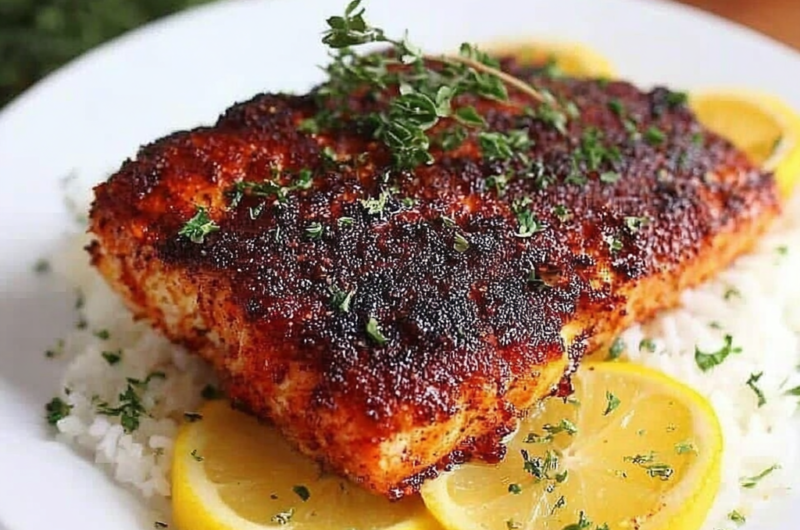
Blackened Mahi Mahi is a culinary treasure that brings the vibrant flavors of the sea to your kitchen. This dish features a rich blend of spices that create a smoky, crispy crust atop tender, flaky fish, making it a meal that is both satisfying and impressive.
Whether you’re hosting a dinner party or enjoying a weeknight meal, Blackened Mahi Mahi is sure to please both seafood lovers and novices alike. The balance of spices not only enhances the natural taste of the fish but also creates an irreplaceable aroma that fills your home.
Making this dish at home allows you to control the seasoning to your liking and experiment with sides that complement the fish. Let's delve into this flavorful creation that will transport your taste buds to a coastal escape.
Ingredients
- 2 Mahi Mahi fillets (6 oz each)
Mahi Mahi, known for its firm texture and mild flavor, serves as the perfect canvas for the blackening seasoning. It holds up well during cooking, ensuring a deliciously flaky result. - 2 tablespoons paprika
Paprika provides a sweet and smoky foundation for the spice blend. Its vibrant color also contributes visually appealing hues to the blackened crust. - 1 tablespoon cayenne pepper
Cayenne adds heat to the seasoning mix, bringing a delightful kick without overpowering the delicate taste of the Mahi Mahi. - 1 tablespoon garlic powder
Garlic powder infuses the dish with savory notes and enhances the overall flavor profile, creating a well-rounded taste experience. - 1 tablespoon onion powder
Onion powder complements the garlic, adding depth to the seasoning and balancing the spiciness with its mild sweetness. - 1 teaspoon dried thyme
Dried thyme introduces an earthy aroma that pairs exceptionally well with the spices and the fish, elevating the flavor. - 1 teaspoon black pepper
Freshly ground black pepper adds a sharp bite to the seasoning, enhancing the flavor complexity of the crust. - 1 teaspoon salt
Salt helps bring out the natural flavors of the Mahi Mahi and balance the spice mix. It’s essential for creating a well-seasoned dish. - 2 tablespoons olive oil
Olive oil not only prevents sticking during cooking but also aids in achieving a golden and crispy crust on the fish. - 1 lemon, cut into wedges
Lemon wedges serve as a bright, acidic counterpoint to the rich flavors of the blackened Mahi Mahi, enhancing the dish when squeezed over the fish before serving.
Directions & Preparation
Step 1: Prepare the blackening seasoning by mixing spices.
In a small bowl, combine the paprika, cayenne pepper, garlic powder, onion powder, thyme, black pepper, and salt. Mixing the spices in advance ensures an even distribution, which is crucial for achieving a consistent flavor across the fish. The combination of these spices gives the Mahi Mahi its signature flavor profile.
Step 2: Pat the Mahi Mahi fillets dry with paper towels.
Drying the fillets is important for the seasoning to adhere properly. Excess moisture can cause steaming instead of a proper sear, preventing the signature blackened crust from forming. Make sure to handle the fish gently to preserve its texture.
Step 3: Rub the spice mixture generously on both sides of the fish.
Coating the fillets liberally with the spice blend ensures that every bite is packed with flavor. Don’t be afraid to press the spices into the fish to form a crust when cooking. The spices will caramelize, providing that coveted blackened effect.
Step 4: Heat the olive oil in a cast-iron skillet until smoking hot.
A well-heated skillet is key to creating the blackened texture on your Mahi Mahi. The oil should shimmer and appear slightly wavy; this indicates it's hot enough. Using a cast-iron skillet retains heat well and promotes even cooking, contributing to the desired crustiness.
Step 5: Add the fillets to the skillet and cook for about 4 to 5 minutes per side.
Once the fish is in the skillet, avoid moving it around too much. Let it sear until it naturally releases from the pan. Cooking time may vary based on thickness; the fillets should be opaque and flake easily with a fork when done. Flip carefully to maintain the crust.
Step 6: Remove the fish from the skillet and let it rest briefly before serving.
Allowing the fillets to rest for a couple of minutes allows the juices to redistribute, keeping the fish moist. This rest period is essential for any meat to ensure a satisfying eating experience. Meanwhile, you can prepare your serving dishes or sides.
Step 7: Serve with lemon wedges on the side.
The fresh lemon juice brightens up the rich, spicy flavors of the blackened fish, creating a well-balanced dish. Squeezing lemon over the fish at the table can enhance the overall dining experience, adding a zesty finish to each bite.

The Art of Blackening: Spice it Up
Blackening is a cooking technique that originated in Louisiana, where fresh fish is coated in a vibrant spice blend and seared in a hot skillet. This method creates a charred exterior that adds a depth of flavor to the fish while sealing in moisture. The blackening effect is not just for show; it enhances the texture and taste, creating a mouthwatering contrast that makes each bite a delight.
Choosing the Perfect Mahi Mahi
When selecting Mahi Mahi fillets for this recipe, look for firm, translucent flesh with a slight sheen—a sign of freshness. Sustainable fishing practices have made Mahi Mahi a popular choice among seafood enthusiasts. Choosing fresh, wild-caught fish can elevate your cooking and ensure the best taste and texture when creating this blackened dish.
Pairing Sides to Complement the Dish
Blackened Mahi Mahi pairs beautifully with a variety of sides. Think about contrasting flavors such as a refreshing mango salsa, which balances the heat of the fish, or a simple arugula salad dressed with a lemon vinaigrette. Consider hearty sides like garlic mashed potatoes or grilled vegetables that can stand up to the bold flavors of the blackened fish, creating a well-rounded meal.
FAQs
What should I serve with blackened Mahi Mahi?
Blackened Mahi Mahi pairs well with sides like coleslaw, rice, or grilled vegetables, which complement its flavors without overpowering.
Can I use other types of fish for this recipe?
Yes, other firm white fish like snapper or grouper can be substituted, but adjust cooking times as necessary due to thickness.
Why does my fish come out too salty?
Excess salt can result from either heavy seasoning or salt in the accompanying sides. Taste and adjust spices before cooking to prevent over-seasoning.
What if my seasoning is too thick or not sticking?
If the seasoning is too thick, try using less or adding a bit of olive oil to it. For better adherence, ensure the fish is dry and consider gently pressing the spices in.
How do I know if the fish is cooked through?
The fish should be opaque and flake easily with a fork when fully cooked. A thermometer should read at least 145°F in the thickest part.
Can I use pre-made blackening seasoning?
Yes, you can use pre-made seasoning, but be cautious with salt content. Taste your fish while cooking to ensure proper flavor.
Is there a way to vary the spice mix?
Absolutely! Feel free to experiment with other spices, such as cumin or coriander, to introduce different flavor profiles.
Conclusion
Blackened Mahi Mahi is not just a dish; it’s an experience packed with flavor, texture, and warmth. With the right balance of spices, you can create a seafood masterpiece that impresses both family and guests alike.
This recipe invites you to embrace bold flavors while showcasing a delightful fish that is easy to cook. With a few fresh ingredients and a little care, you'll have a chic dinner that transports you straight to the coast.
Recipe Card

Elevate Your Dinner with Blackened Mahi Mahi
Ingredients
Method
- Prepare the blackening seasoning by mixing spices.
- Pat the Mahi Mahi fillets dry with paper towels.
- Rub the spice mixture generously on both sides of the fish.
- Heat the olive oil in a cast-iron skillet until smoking hot.
- Add the fillets to the skillet and cook for about 4 to 5 minutes per side.
- Remove the fish from the skillet and let it rest briefly before serving.
- Serve with lemon wedges on the side.
Notes
Additional serving suggestions: pair with a crisp salad, garlic bread, or roasted seasonal vegetables for balance.
For make-ahead, prep components separately and assemble just before heating to preserve texture.
Taste and adjust with acid (lemon/vinegar) and salt right at the end to wake up flavors.