Introduction
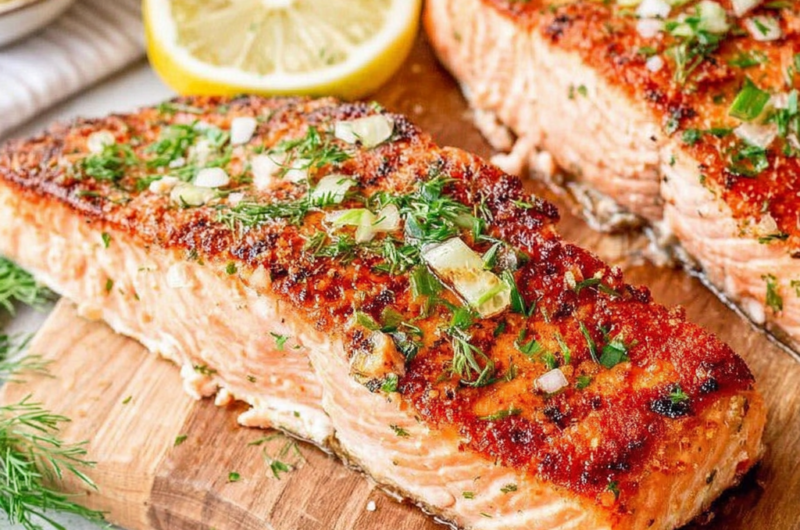
Salmon is not just delicious; it's a powerhouse of nutrition, particularly when you're looking to boost your protein intake. This versatile fish is rich in omega-3 fatty acids and essential nutrients, making it an excellent choice for health-conscious home cooks.
In addition to its health benefits, salmon is incredibly easy to prepare, lending itself to various cooking methods, from grilling to baking. Each method brings out unique flavors and textures, allowing you to tailor the dish to your personal preference.
Whether you're aiming to increase your protein consumption or simply seeking a tasty meal, high protein salmon can be a satisfying centerpiece that appeals to all palates.
Ingredients
- 2 salmon fillets (6 oz each)
Salmon fillets are the star of the dish, packed with high protein content and omega-3 fatty acids. They provide a rich, buttery flavor and a silky texture that complements a variety of seasonings and cooking methods. - 1 tablespoon olive oil
Olive oil adds a healthy dose of monounsaturated fats and aids in cooking by providing a non-stick surface. It enhances the flavor of the salmon and helps to achieve that perfect golden crust when seared. - 1 teaspoon garlic powder
Garlic powder lends a warm, savory note to the salmon without overpowering its natural flavor. It also provides the benefits of garlic's antioxidant properties. - 1 teaspoon paprika
Paprika contributes a subtle sweetness and a vibrant color to the dish. This spice can elevate the overall presentation and texture, creating a more appealing meal. - Salt and pepper to taste
Seasoning with salt and pepper is essential for enhancing the flavors of the salmon. Salt draws out the natural flavors, while pepper adds a slight kick that balances the dish perfectly. - 1 lemon (for juice and slices)
Fresh lemon juice brightens the dish by adding acidity that cuts through the richness of the salmon. Lemon slices can also be used as a garnish to enhance the plate's visual appeal.
Directions & Preparation
Step 1: Preheat your oven to 400°F (200°C).
Preheating the oven is crucial for even cooking and helps to achieve a desirable texture. A hot oven ensures that the salmon cooks quickly and evenly, resulting in a flavorful crust while keeping the interior moist.
Step 2: Pat the salmon fillets dry with a paper towel.
Drying the fillets before cooking helps to promote better browning and prevents moisture from steaming the fish. This step is key to achieving a delicious, crispy exterior that enhances the overall dish.
Step 3: Rub the salmon fillets with olive oil, garlic powder, paprika, salt, and pepper.
Coating the salmon with olive oil and seasonings not only adds flavor but also helps to ensure that the spices adhere properly. This uniform coating contributes to a more balanced taste in every bite.
Step 4: Place the seasoned salmon fillets on a baking sheet lined with parchment paper.
Using parchment paper prevents sticking and makes cleanup effortless. Arranging the fillets on the sheet allows for optimal circulation of heat, ensuring that they cook evenly.
Step 5: Bake the salmon in the oven for 12-15 minutes.
Baking at this temperature allows the salmon to cook thoroughly without drying out. The cooking time can vary based on the thickness of the fillets, so keeping an eye on them is essential to prevent overcooking.
Step 6: Check for doneness by inserting a fork into the thickest part of the salmon.
The fish should flake easily and look opaque when fully cooked. If it feels too firm or translucent, it may need additional time. Proper cooking ensures the best texture and flavor.
Step 7: Squeeze fresh lemon juice over the cooked salmon before serving.
Adding lemon juice just before serving enhances the flavors and adds a bright finish to the dish. It can brighten the flavors and balance the richness of the fish.
Step 8: Serve the salmon with lemon slices as garnish.
Garnishing with lemon slices not only adds a pop of color but also provides an enticing visual appeal. Guests can squeeze additional lemon over their portion if desired, enhancing the dish further.

Transformative Marinades for Extra Flavor
Experimenting with marinades can elevate your salmon dish to new heights. Consider using citrus-based marinades or soy sauce for a savory, umami twist. Allow the salmon to marinate for at least 30 minutes before cooking to let the flavors penetrate the fish deeply.
Grilling Salmon for Optimal Char
Grilling salmon adds a smoky flavor that pairs beautifully with its rich texture. Preheat your grill and oil the grates to prevent sticking. Place the fillets skin side down for a perfect char, and cook just until the salmon is opaque. The delicious grill marks are worth the effort!
Pairing High Protein Salmon with Sides
When serving high-protein salmon, consider pairing it with wholesome sides like quinoa salad or roasted vegetables. These accompaniments not only enhance the meal's nutritional value but also add dietary fiber and additional flavors that complement the fish.
FAQs
What if my salmon fillets are too thick?
If your salmon fillets are thicker than 1 inch, you might need to extend the baking time slightly. Keep checking for doneness to avoid overcooking.
Why does my salmon taste bland?
Bland salmon can result from insufficient seasoning. Ensure you generously season the fish before cooking and consider marinating it for additional flavor.
Can I substitute olive oil with other oils?
Yes, you can use oils like avocado or grapeseed oil, both of which have high smoke points and health benefits, retaining the dish's nutritional value.
What should I do if the salmon is overcooked?
Overcooked salmon can become dry. To remedy this, serve it with a light sauce like a yogurt dill sauce to add moisture back to the dish.
How can I retain moisture in the salmon while cooking?
You can keep salmon moist by covering it with foil during the first half of cooking. This creates steam, helping to maintain that desirable texture.
What herbs can complement my high protein salmon dish?
Fresh herbs like dill, parsley, or cilantro enhance the flavor beautifully. Sprinkle them on just before serving or mix them into a sauce for a fresh touch.
Conclusion
High protein salmon serves as an excellent base for a variety of dishes, appealing to both health enthusiasts and casual diners alike. With its rich flavor and nutritional benefits, this recipe is sure to become a household favorite.
By adjusting your seasonings and cooking methods, you can keep this meal fresh and exciting with every preparation. Enjoy exploring the wonderful world of cooking with salmon and savor the satisfaction of a healthful, delicious meal.
Recipe Card
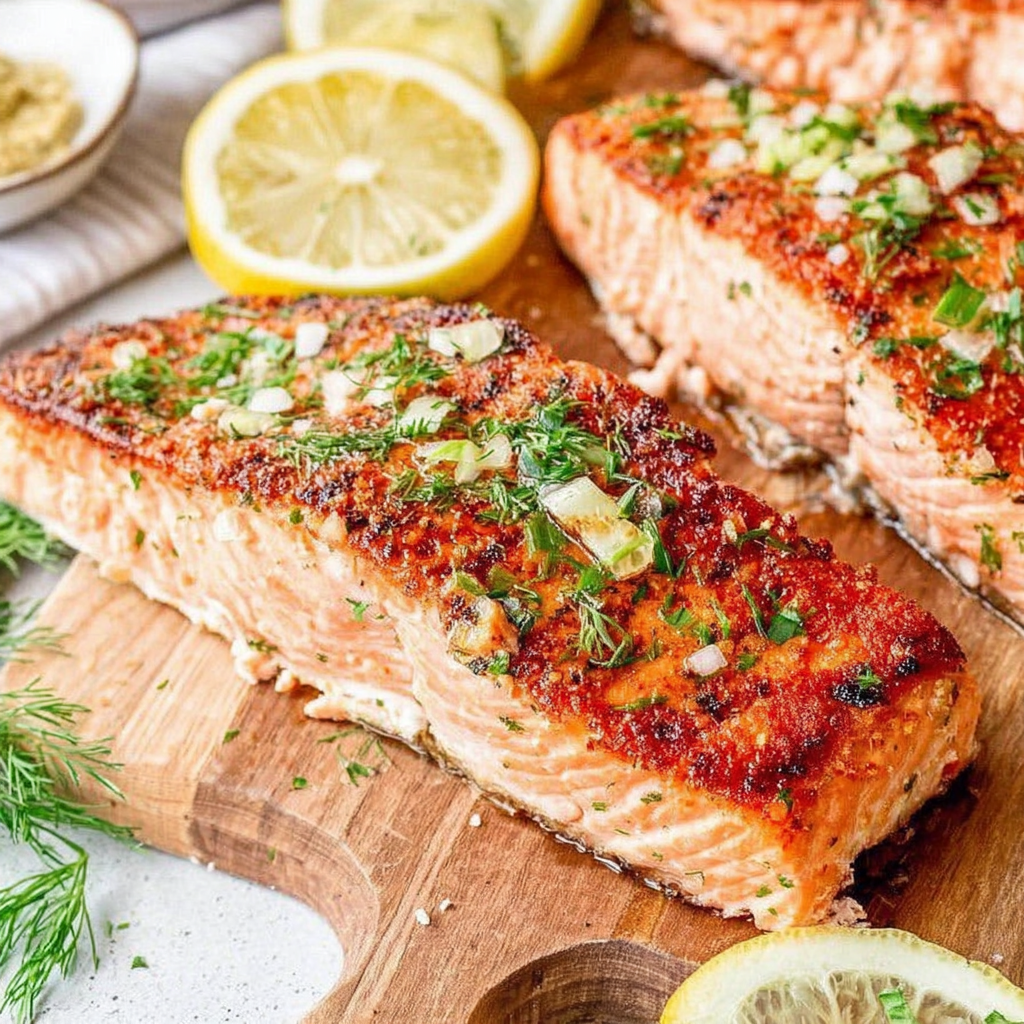
Discovering the Rich Flavor of High Protein Salmon
Ingredients
Method
- Preheat your oven to 400°F (200°C).
- Pat the salmon fillets dry with a paper towel.
- Rub the salmon fillets with olive oil, garlic powder, paprika, salt, and pepper.
- Place the seasoned salmon fillets on a baking sheet lined with parchment paper.
- Bake the salmon in the oven for 12-15 minutes.
- Check for doneness by inserting a fork into the thickest part of the salmon.
- Squeeze fresh lemon juice over the cooked salmon before serving.
- Serve the salmon with lemon slices as garnish.
Notes
Additional serving suggestions: pair with a crisp salad, garlic bread, or roasted seasonal vegetables for balance.
For make-ahead, prep components separately and assemble just before heating to preserve texture.
Taste and adjust with acid (lemon/vinegar) and salt right at the end to wake up flavors.