Introduction
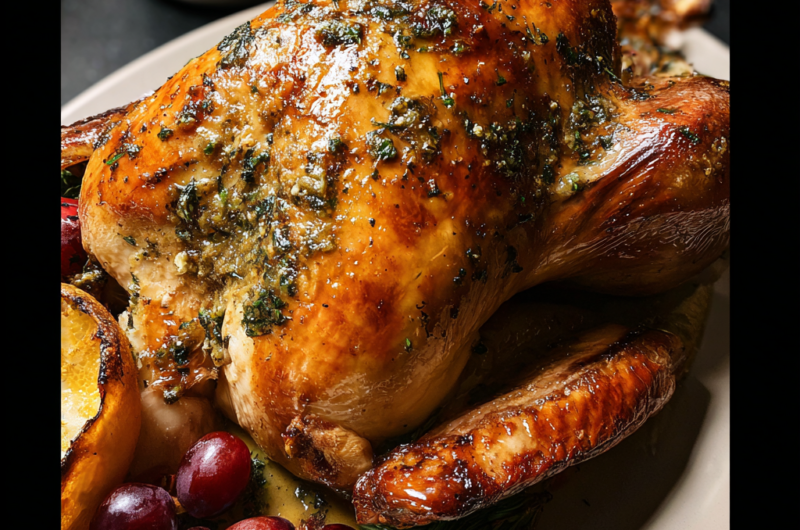
Roasting a turkey is a timeless tradition that brings warmth and togetherness to our tables, particularly during the holiday season. With the right approach and a touch of creativity, you can create a centerpiece that is both stunning and mouthwatering.
Using an herb butter to coat the turkey enhances the flavor, ensuring a juicy and succulent result. This simple method elevates the bird while infusing it with aromatic herbs that will have your guests asking for seconds.
Ingredients
- 1 whole turkey (12-14 lbs)
Choosing the right turkey is crucial for a successful roast. A fresh or thawed turkey will yield the best results, as they tend to be more tender and flavorful than frozen options. - 1 cup unsalted butter, softened
Unsalted butter serves as the base of the herb butter, allowing you to control the seasoning. Softened butter ensures easy spreadability and even distribution on the turkey. - 4 tablespoons olive oil
Olive oil contributes moisture and helps crisp the skin, enhancing flavor while promoting a nice golden brown color. - 2 tablespoons fresh rosemary, chopped
Rosemary adds a fragrant, pine-like aroma that complements poultry beautifully. Fresh herbs provide a vibrant flavor that dried herbs cannot match. - 2 tablespoons fresh thyme, chopped
Thyme brings an earthy note to the herb butter, balancing the richness of the butter and turkey while adding depth of flavor. - 2 tablespoons fresh parsley, chopped
Parsley adds a fresh, bright flavor that cuts through the richness. It also enhances the visual appeal of the herb butter with its vibrant green color. - 2 teaspoons garlic cloves, minced
Garlic offers a robust, savory element to the herb butter, enriching the turkey’s flavor profile and providing a comforting aroma during roasting. - Salt and pepper, to taste
Seasoning with salt and pepper is essential for flavor enhancement. Salt amplifies the natural flavors of the turkey, while pepper adds a touch of heat. - 1 cup low-sodium chicken broth
Chicken broth is used to baste the turkey during roasting, keeping it moist and infusing additional flavor into the meat. Using a low-sodium version prevents the dish from becoming overly salty.
Directions & Preparation
Step 1: Preheat your oven to 325°F (165°C).
Preheating the oven is a crucial step to ensure that the turkey cooks evenly. A consistent temperature promotes a well-cooked bird, allowing the skin to crisp up nicely while the meat remains juicy.
Step 2: Prepare the herb butter mixture.
In a mixing bowl, combine the softened butter with chopped herbs, minced garlic, salt, and pepper. Mixing these ingredients allows the flavors to meld, creating a rich compound butter that can infuse the turkey with deliciousness.
Step 3: Pat the turkey dry and season inside and out.
Drying the turkey helps the skin crisp up during roasting. Seasoning both the inside and outside enhances flavor throughout the bird, ensuring that every bite is savory and satisfying.
Step 4: Loosen the skin over the breast and thighs.
Gently sliding your fingers under the skin creates pockets for the herb butter, helping to keep the meat moist and flavorful. This method also helps the skin to brown evenly, providing a lovely texture.
Step 5: Spread the herb butter under the skin and over the outside of the turkey.
Spreading the herb butter generously ensures that every part of the turkey is flavored. This technique not only enhances taste but also promotes a beautifully golden and crispy skin.
Step 6: Tie the legs together with kitchen twine and tuck the wing tips underneath.
Trussing the turkey helps it cook evenly and holds its shape during roasting. Tucking the wing tips prevents them from burning and encourages a more uniform cooking process.
Step 7: Place the turkey in a roasting pan and pour the chicken broth into the bottom.
Using a roasting pan allows for heat circulation around the turkey, while the broth keeps the meat moist and contributes to a flavorful gravy. This step also helps catch drippings that can be used later.
Step 8: Roast the turkey, basting occasionally.
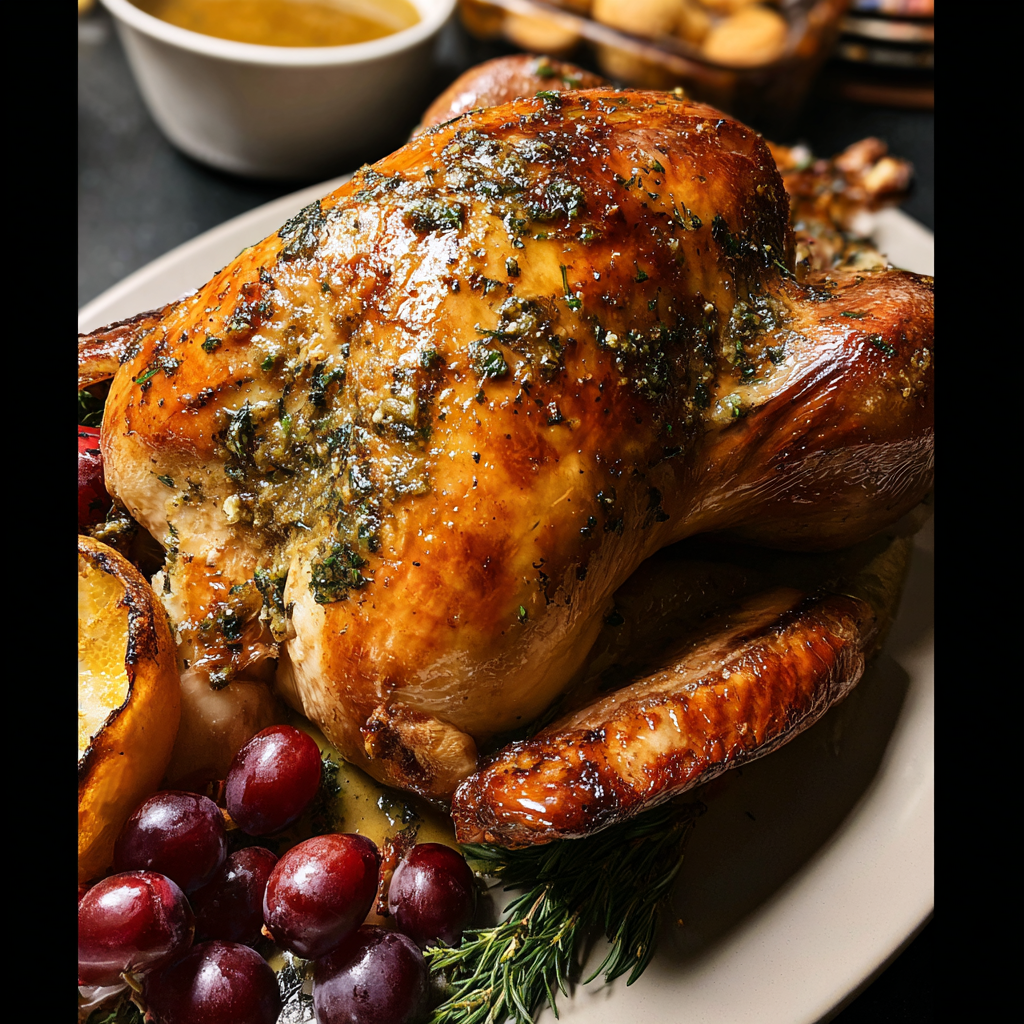
Basting the turkey every 30-45 minutes with the pan juices maintains moisture and enhances the flavor of the skin. A properly roasted turkey should have a deep golden color and reach an internal temperature of 165°F (74°C).
Step 9: Remove from oven and let rest before carving.
Resting the turkey is essential for redistributing the juices, resulting in tender meat. Allowing it to rest for at least 20-30 minutes before carving makes for a more enjoyable serving experience.

The Importance of Herb Butter
Herb butter not only enhances flavor but also plays a vital role in maintaining the turkey's moisture during cooking. The combination of butter with fresh herbs infuses the meat with aromatic goodness while creating a beautifully golden skin. This flavorful compound elevates the whole turkey experience, making it a hallmark of festive gatherings.
Tips for Perfectly Roasted Turkey Skin
Achieving crispy turkey skin is an art form that begins with proper drying and seasoning. Patting the turkey dry before applying the herb butter creates optimal conditions for crispness. Additionally, keeping the skin well-coated with fat (in this case, the herb-infused butter) contributes to a satisfying crunch that contrasts delightfully with the tender, juicy meat underneath.
Basting: A Key Technique
Basting the turkey throughout the roasting process is essential for ensuring a juicy final product. It distributes the melted herb butter and pan juices over the skin, enhancing its flavor and promoting even browning. Regular basting helps avoid dryness and creates a bird that is not only visually appealing but also succulent.
FAQs
What can I do if my turkey is overcooked?
If your turkey is overcooked, you can salvage dryness by slicing the meat and serving it with plenty of gravy. The sauce will help add moisture and flavor back into the meat.
Can I substitute different herbs for the herb butter?
Yes, you can experiment with herbs like sage, tarragon, or oregano, depending on your flavor preferences. Just ensure that the herbs complement the rich taste of the turkey.
How do I know when the turkey is done cooking?
A turkey is done when its internal temperature reaches 165°F (74°C) at the thickest part of the breast and thigh. Using a meat thermometer ensures accurate results.
Will using a frozen turkey impact the cooking time?
Yes, a frozen turkey will take significantly longer to cook than a thawed one. Ensure your turkey is fully thawed in the refrigerator for optimal cooking times.
What should I do if my herb butter is too thick?
If your herb butter is too thick, you can soften it further by leaving it at room temperature for a short time or mixing in a small amount of warm olive oil to achieve a spreadable consistency.
How do I incorporate flavors if I want a spicier turkey?
To add spice, consider incorporating diced jalapeños or a pinch of cayenne pepper into your herb butter. This will give your turkey a delightful kick without overwhelming the overall flavor.
Conclusion
Roasted turkey with herb butter stands out as a centerpiece for any festive gathering, combining tradition with culinary creativity. It not only brings people together but also provides an opportunity to showcase your cooking skills.
By following the steps outlined in this article, you can create a turkey that is the star of the meal. Enjoy the process, and most importantly, savor the delicious results with friends and family.
Recipe Card
Delicious Roasted Turkey with Herb Butter Recipe
Ingredients
Method
- Preheat your oven to 325°F (165°C).
- Prepare the herb butter mixture.
- Pat the turkey dry and season inside and out.
- Loosen the skin over the breast and thighs.
- Spread the herb butter under the skin and over the outside of the turkey.
- Tie the legs together with kitchen twine and tuck the wing tips underneath.
- Place the turkey in a roasting pan and pour the chicken broth into the bottom.
- Roast the turkey, basting occasionally.
- Remove from oven and let rest before carving.
Notes
Additional serving suggestions: pair with a crisp salad, garlic bread, or roasted seasonal vegetables for balance.
For make-ahead, prep components separately and assemble just before heating to preserve texture.
Taste and adjust with acid (lemon/vinegar) and salt right at the end to wake up flavors.