Introduction
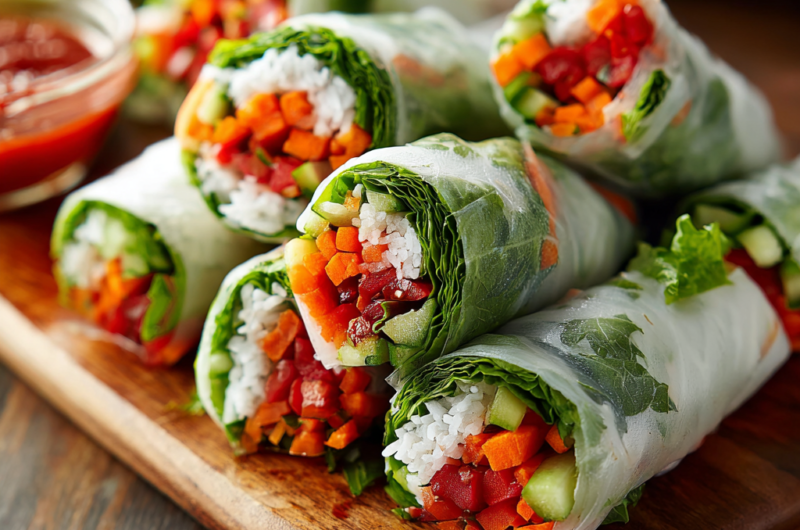
Vegetable spring rolls are a delightful blend of flavor, texture, and freshness. These treats are not only visually appealing but also versatile enough to cater to various palettes, making them perfect for gatherings or a simple weeknight snack.
With their crispy exterior and vibrant, crunchy filling, these rolls are a healthy option that doesn't compromise on taste. Preparing them at home allows you to customize the ingredients to suit your preferences and dietary needs, ensuring a satisfying experience.
Ingredients
- 12 rice paper wrappers
Rice paper wraps are essential for creating the spring roll's delicate, translucent shell. They provide a satisfying crunch when fried and an inviting presentation that showcases the vibrant fillings. - 1 cup shredded carrots
Carrots add a sweet earthiness and vibrant color to the filling. Their crunchiness contributes a satisfying texture that contrasts beautifully with the softness of the rice paper. - 1 cup shredded cabbage
Cabbage is a key ingredient for the filling, providing volume and a mild flavor. It holds water well, which adds to the freshness and helps maintain the structure during cooking. - 1/2 cup bell pepper, thinly sliced
Bell peppers bring a sweet, juicy crunch to the rolls. They can be used in various colors, each providing a slightly different taste, while also enhancing the visual appeal. - 1/2 cup bean sprouts
Bean sprouts add a light, crunchy texture, making the filling more diverse. Their neutral flavor allows for enhancing other flavors in the roll. - Fresh herbs (mint and cilantro, 1/4 cup each)
Herbs like mint and cilantro infuse the rolls with a refreshing quality. They elevate the overall taste and add wonderful aromas, enhancing the eating experience. - 1 tablespoon soy sauce
Soy sauce provides umami depth, enhancing the flavors of the vegetables. It's a crucial element that ties all the ingredients together, making the filling more cohesive. - 1 tablespoon sesame oil
Sesame oil gives a nutty flavor that complements the fresh vegetables. It’s also critical in providing a little richness that balances the overall taste profile. - Oil for frying (vegetable or peanut)
Oil is essential for frying the spring rolls to achieve that coveted crispiness. Choosing a high smoke point oil allows for even cooking without imparting undesired flavors.
Directions & Preparation
Step 1: Prepare the filling.
Start by combining shredded carrots, cabbage, bell peppers, bean sprouts, and fresh herbs in a large bowl. Mix in soy sauce and sesame oil thoroughly. This step is vital for ensuring that all the components are evenly flavored, enhancing the overall taste of the spring rolls. Set aside for about 10 minutes, allowing the flavors to meld.
Step 2: Soften the rice paper wrappers.
Fill a shallow dish with warm water and immerse one rice paper wrapper for about 20-30 seconds until it becomes pliable but not overly soft. Drain the excess liquid on a clean towel. This step is crucial as it prepares the wrappers for rolling; too stiff, and they might crack, too soft, and they won’t hold together.
Step 3: Fill the wrappers.
Lay the softened wrapper on a clean surface. Place a small amount of the prepared vegetable mixture near the bottom edge of the wrapper. Roll it up tightly but gently, folding in the sides as you go. Proper rolling technique is essential to secure the filling and ensure the rolls remain intact during frying.
Step 4: Heat the oil for frying.
In a large, deep skillet, pour enough oil to cover the base by about an inch. Heat over medium-high heat until a piece of vegetable sizzles when dropped in. This step is significant; the right oil temperature is necessary for creating the golden, crispy exterior without absorbing excess oil.
Step 5: Fry the spring rolls.
Carefully place a few rolls into the hot oil, ensuring not to overcrowd the pan. Fry for about 2-3 minutes per side or until golden brown. This part determines the texture of the spring rolls—achieving that perfect crispness while ensuring the vegetables inside remain tender yet not soggy.
Step 6: Drain and serve.
Once fried, place the spring rolls on a paper towel-lined plate to absorb any excess oil. Serve warm with dipping sauces like sweet chili or soy sauce. Draining is an often overlooked but important step to ensure that when served, the rolls maintain their crispy texture without becoming greasy.

Choosing the Right Vegetables for Your Rolls
The beauty of vegetable spring rolls lies in their adaptability. You can choose from a myriad of vegetables, considering seasonality and freshness to achieve the best flavors. Seasonal ingredients like zucchini, asparagus, or even mushrooms can be great additions, offering a range of textures and tastes that keep each batch unique.
Dipping Sauces That Elevate Your Experience
While the spring rolls are delightful on their own, pairing them with the right dipping sauces can enhance their flavor. Consider a mix of hoisin sauce, peanut sauce, or even a tangy vinegar dip. These sauces not only add a burst of flavor but also contribute to an interactive eating experience, allowing everyone to tailor their taste.
Baking vs. Frying: Alternative Cooking Methods
If you're looking for a healthier alternative to frying, consider baking the spring rolls. Brush them lightly with oil and place them in a preheated oven for about 20 minutes at 400°F, turning halfway through. While they may not attain the same level of crispiness, baking still produces a delightful texture and is an excellent option for those preferring lower-fat options.
FAQs
What can I do if my spring rolls are too thick?
If your spring rolls come out too thick, it may be due to overfilling or using extra rice paper. For future rolls, ensure a thin layer of filling and use only one wrapper at a time.
Can I make the filling more flavorful?
For a more robust flavor, consider adding garlic or ginger to the filling. Experiment with spices or chili flakes for heat, modifying the taste to match your preference.
What’s the best way to serve them warm?
To keep your spring rolls warm during a gathering, place them in a slightly warm oven (around 200°F) on a baking sheet. This way, they won't get soggy while you finish frying the others.
How can I create a crunchy texture if I bake them?
To enhance crunchiness when baking, brush the outside with a light coat of oil. Additionally, consider increasing the cooking temperature slightly, allowing the rolls to crisp up nicely.
What if they turn out bland?
If your spring rolls lack flavor, the filling may not have enough seasoning. Always taste the mixture before rolling, adding more soy sauce or herbs as necessary.
Can I add proteins like tofu or shrimp to the filling?
Yes, proteins like seasoned tofu or shrimp can be added. Just ensure they're pre-cooked and cut into small pieces to incorporate evenly into the filling.
Conclusion
Making vegetable spring rolls at home is not only satisfying, but it also allows you to tailor the flavors to your liking. With a little practice, you'll master the art of rolling, frying, and pairing them with delightful dipping sauces.
Enjoy these crisp, colorful treats as a healthy snack or serve them as an eye-catching appetizer at your next gathering. The combination of fresh vegetables and light seasoning ensures they will be a hit with everyone.
Recipe Card
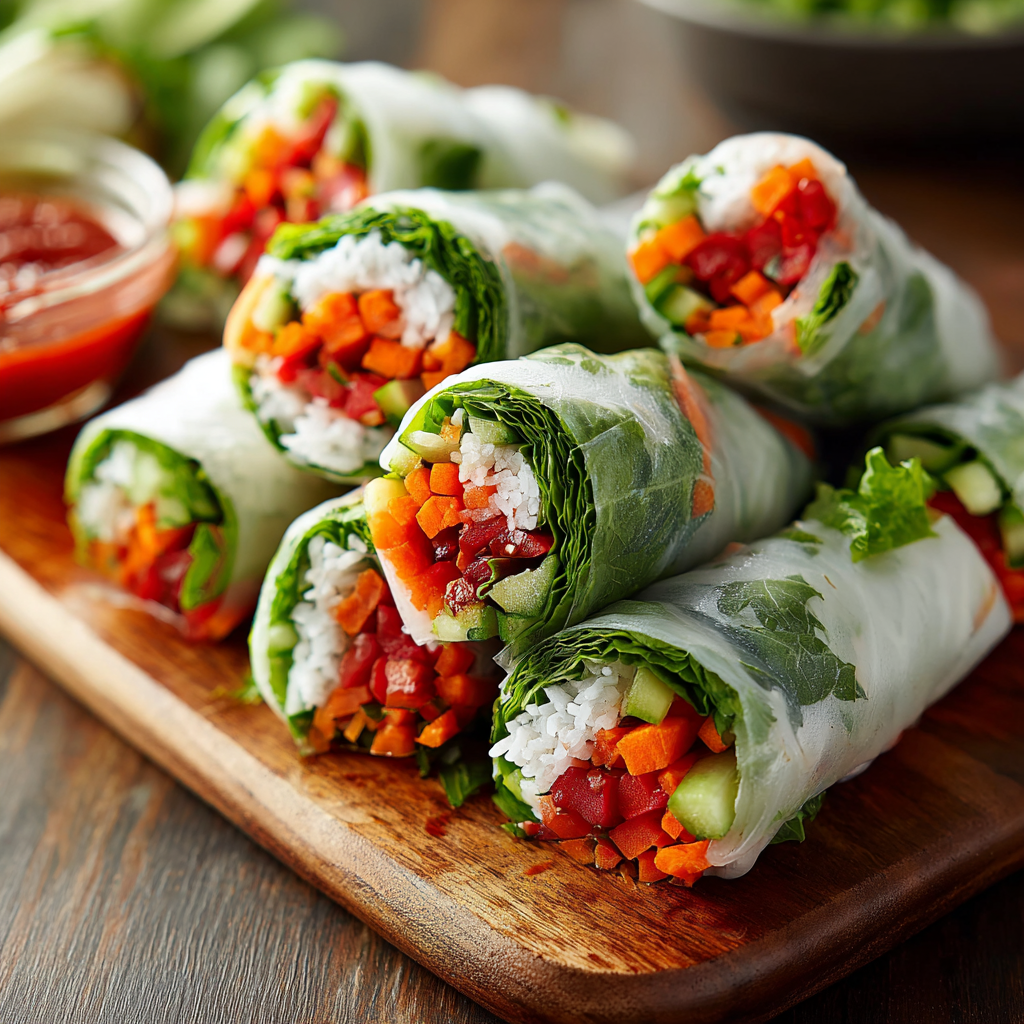
Crispy Vegetable Spring Rolls for Every Occasion
Ingredients
Method
- Prepare the filling.
- Soften the rice paper wrappers.
- Fill the wrappers.
- Heat the oil for frying.
- Fry the spring rolls.
- Drain and serve.
Notes
Additional serving suggestions: pair with a crisp salad, garlic bread, or roasted seasonal vegetables for balance.
For make-ahead, prep components separately and assemble just before heating to preserve texture.
Taste and adjust with acid (lemon/vinegar) and salt right at the end to wake up flavors.