Introduction
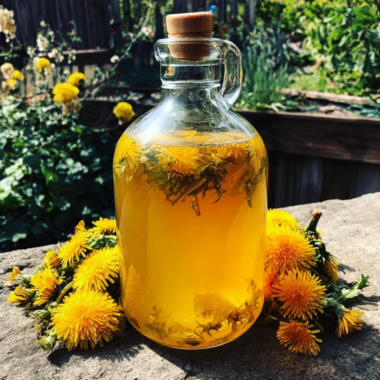
Dandelion kombucha merges the effervescence of fermented tea with the earthy, slightly bitter notes of dandelion greens. This intriguing twist on traditional kombucha not only tantalizes palates but also brings an array of health benefits.
Dandelion greens have long been celebrated in herbal medicine for their detoxifying properties and support for liver health. When fermented, they add a unique flavor profile that harmonizes wonderfully with the tangy undertones of kombucha.
For home cooks eager to experiment with this flavorful beverage, the process of brewing dandelion kombucha can be both rewarding and enjoyable. It offers a perfect opportunity to learn about fermentation while creating a refreshing drink.
Ingredients
- 8 cups water
Water acts as the base for brewing kombucha. It dissolves the tea, sugar, and other ingredients, facilitating the fermentation process and helping to extract flavors from the dandelions. - 4-5 dandelion greens
These vibrant greens provide a distinct, slightly bitter flavor that contrasts beautifully with the sweetness of sugar. Dandelion greens are also packed with vitamins and minerals, enhancing the health benefits of your brew. - 1 cup sugar
Sugar is crucial for the fermentation process, serving as food for the SCOBY (Symbiotic Culture Of Bacteria and Yeast). It ferments into acids and carbonation, creating kombucha's signature tang. - 4-5 bags of black tea
Black tea adds depth and complexity to kombucha’s flavor profile. It contains tannins and other compounds that contribute to the fermentation process, enhancing the overall taste and health benefits. - 2 cups kombucha from a previous batch or store-bought
This is your starter culture, providing the necessary bacteria and yeast to initiate fermentation. Using raw, unpasteurized kombucha encourages a quicker fermentation and introduces diverse beneficial microorganisms. - SCOBY (approximately 1 cup)
The SCOBY is essential for the fermentation of kombucha. It is a gelatinous mass of bacteria and yeast, which consumes the sugars and converts them into acids, carbon dioxide, and alcohol.
Directions & Preparation
Step 1: Prepare the tea base.
Start by boiling the water and steeping the black tea bags for about 10-15 minutes. This duration allows the flavors to infuse properly and extracts the beneficial compounds from the tea. After steeping, remove the bags and stir in the sugar until completely dissolved to create a sweet tea base that will fuel the fermentation process.
Step 2: Cool the tea mixture.
Once the tea is infused and the sugar dissolved, let the mixture cool to room temperature. This step is crucial as adding hot tea directly to the SCOBY can kill the beneficial bacteria and yeast, ruining the fermentation. A cooler temperature ensures the SCOBY remains active and healthy.
Step 3: Combine ingredients in a fermentation jar.
Pour the cooled tea into a large glass fermentation jar. Add the dandelion greens and starterkombucha, followed by the SCOBY. Ensuring everything is in place creates an optimal environment for fermentation. It's important to handle the SCOBY carefully, avoiding any contamination.
Step 4: Cover and ferment.
Cover the fermentation jar with a clean cloth or coffee filter secured with a rubber band to prevent dust or insects from entering while allowing air to flow. Place the jar in a warm, dark place to ferment for 7-14 days. The length of time will influence the sourness and effervescence of your kombucha, so taste periodically to find your preferred flavor.
Step 5: Bottling the kombucha.
After fermentation, remove the SCOBY and transfer your kombucha into bottles, leaving about an inch of headspace. If desired, you can add flavorings at this stage, such as fresh fruits or herbs. Bottling is crucial as it helps carbonate the drink, enhancing its refreshing quality.
Step 6: Second fermentation.
Seal the bottles tightly and let them sit at room temperature for another 3-7 days. This second fermentation creates natural carbonation, making the kombucha fizzy and enjoyable. Remember to burp the bottles daily to release excess pressure and avoid over-carbonation, which could cause explosions.
Step 7: Chill and enjoy.
Finally, refrigerate your bottled dandelion kombucha for a few hours before serving. Cold kombucha is refreshingly crisp, showcasing the unique flavor of dandelion mixed with the probiotic-rich base. Pour over ice or enjoy straight from the bottle, and savor the fruits of your labor.

Exploring the Benefits of Dandelion Greens
Incorporating dandelion greens into your kombucha not only adds a unique flavor but also enhances its health benefits. These greens are rich in vitamins A, C, and K, and they possess detoxifying properties that support liver health. They also act as a natural diuretic, helping to eliminate toxins while promoting hydration.
The Art of Fermentation
Fermentation is a magical process, turning simple ingredients into a probiotic-rich beverage. Understanding fermentation is vital to mastering kombucha. It creates a complex flavor profile while benefiting gut health. Monitoring the fermentation time allows you to customize your kombucha’s taste, depending on your preference for sweetness or tartness.
Flavor Variations and Add-ins
Once you become comfortable with making dandelion kombucha, consider exploring various flavor combinations. Adding fruit, herbs, or spices during the bottling stage can introduce exciting twists. Ginger, lemon, or even berries can complement the dandelion’s bitterness, enhancing the overall blend and personalizing your brew experience.
FAQs
What should I do if my kombucha is too sweet?
If your kombucha tastes too sweet after the fermentation period, it may need more time to ferment. Allow it to ferment for a few additional days, tasting daily until the desired level of sweetness is reached.
Can I use other types of tea with dandelion kombucha?
Yes, you can experiment with different types of tea, such as green or herbal teas. However, keep in mind that each type of tea imparts its unique flavor and may affect the fermentation process.
What should I do if my kombucha comes out too thick?
Thick kombucha may be a result of yeast overgrowth. Ensure proper ventilation during fermentation, and avoid temperatures that are too warm. Re-diluting the finished kombucha with a bit of water can help adjust the texture.
My kombucha turned out too fizzy. What happened?
Excess fizz can be a sign that the kombucha underwent too much carbonation during the second fermentation. Be sure to burp the bottles daily to release pressure and prevent overly fizzy results.
How can I increase the probiotic content of my kombucha?
To enhance the probiotic content, ensure that you maintain healthy fermentation conditions. Using a diverse SCOBY culture and allowing longer fermentation can help bolster beneficial bacteria.
Are there any alternative sweeteners I can use?
While white granulated sugar is standard, you can experiment with alternative sweeteners like honey or agave nectar. Just remember that different sweeteners may alter fermentation speed and flavor.
Conclusion
Creating dandelion kombucha at home opens up a world of flavor, creativity, and health benefits. Each brewing session allows for experimentation, yielding a unique beverage every time.
Embrace the process and share your concoctions with friends and family, encouraging them to appreciate the joys of fermentation. Whether enjoyed on its own or as part of a meal, your dandelion kombucha is sure to be a refreshing homemade treat.
Recipe Card

Crafting Dandelion Kombucha at Home
Ingredients
Method
- Prepare the tea base.
- Cool the tea mixture.
- Combine ingredients in a fermentation jar.
- Cover and ferment.
- Bottling the kombucha.
- Second fermentation.
- Chill and enjoy.
Notes
Additional serving suggestions: pair with a crisp salad, garlic bread, or roasted seasonal vegetables for balance.
For make-ahead, prep components separately and assemble just before heating to preserve texture.
Taste and adjust with acid (lemon/vinegar) and salt right at the end to wake up flavors.