Introduction
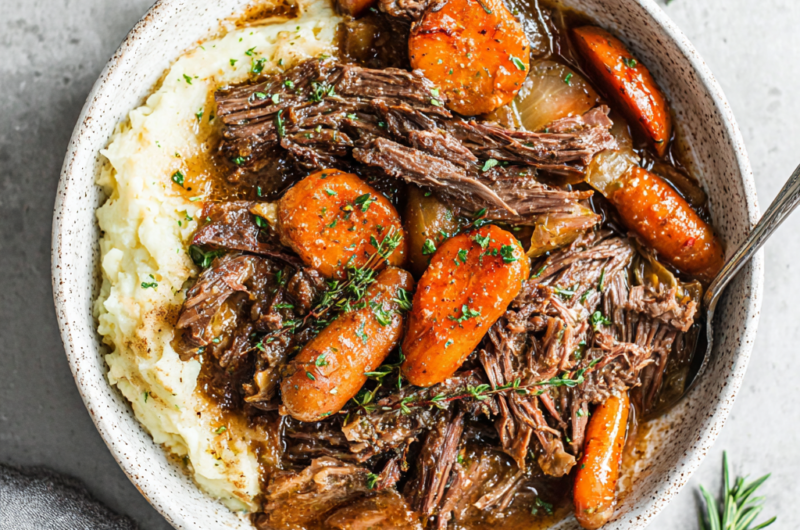
Pot pot roast evokes thoughts of comfort, warmth, and family gatherings. This dish promises not only a hearty meal but also a delightful sensory experience with slow-cooked flavors enveloping the kitchen.
At its core, pot pot roast combines tender meat with fragrant vegetables, all simmered to rich perfection. The process, while simple, requires attention to detail, ensuring that every ingredient melds beautifully over time.
Whether you’re preparing it for a Sunday dinner or a cozy weeknight meal, this recipe shows how satisfying it is to bring these elements together, creating a meal that nourishes both body and soul.
Ingredients
- 4 lbs beef chuck roast
The chuck roast is ideal for slow cooking as its marbling breaks down during the cooking process, resulting in a tender and flavorful dish. - 2 cups beef broth
This adds depth to the dish, bringing a rich umami flavor that enhances the natural taste of the meat and vegetables. - 3 medium onions, quartered
Onions offer sweetness and flavor complexity, cooking down to create a savory base for the pot roast. - 4 carrots, cut into chunks
Carrots contribute a subtle sweetness and a pop of color, making the dish visually appealing and balanced in taste. - 3 stalks celery, cut into chunks
Celery adds a fresh, earthy note while also assisting in the overall aroma and flavor profile. - 4 cloves garlic, minced
Garlic infuses the roast with a warm, pungent aroma that deepens the flavor of the meat and vegetables. - 2 tablespoons tomato paste
Tomato paste enriches the sauce with acidity and complexity, rounding off the flavors beautifully. - 2 teaspoons dried thyme
Thyme offers a subtle herbal essence that pairs well with beef, elevating the overall taste of the roast. - 2 bay leaves
Bay leaves impart a distinct aroma and flavor to the cooking liquid, adding depth and enhancing the overall experience. - Salt and pepper to taste
Seasoning is key; salt enhances flavors while pepper adds warmth and complexity to the final dish.
Directions & Preparation
Step 1: Preheat your oven to 325°F (160°C).
Setting the right temperature is essential for slow cooking. At 325°F, the roast will cook evenly, allowing the tough fibers of the meat to break down and become tender over time.
Step 2: Season the beef chuck roast with salt and pepper on all sides.
Seasoning the meat before browning creates a flavorful crust that locks in juices. This step is crucial to building the dish's taste foundation.
Step 3: In a large Dutch oven, heat oil over medium-high heat. Sear the roast until browned on all sides, about 5-7 minutes per side.
Searing the meat creates a Maillard reaction, enhancing the roast's flavor. This caramelization brings a depth that simmering alone cannot achieve.
Step 4: Remove the roast from the pot and set it aside. Add onions, carrots, celery, and garlic to the pot.
These vegetables will absorb the fond left in the pot from searing the meat. Cooking them briefly helps release their natural sugars, adding sweetness to the finished dish.
Step 5: Stir in the tomato paste and cook for another 2-3 minutes until aromatic.
Tomato paste needs to be cooked to intensify its flavor. This step transforms the paste into a rich base, blending perfectly with the roasted vegetables.
Step 6: Add the beef broth and scrape the bottom of the pot to release any browned bits.
Deglazing is key to building flavor. The browned bits cling to the bottom of the pot, and releasing them ensures that every delicious aspect is incorporated into the braising liquid.
Step 7: Return the roast to the Dutch oven along with thyme and bay leaves.
Adding these aromatic herbs infuses the meat and broth with flavor as it cooks. The herbs will gradually release their oils, enhancing the entire dish.
Step 8: Cover the Dutch oven and place it in the preheated oven. Cook for 3-4 hours or until the meat is fork-tender.
Slow cooking allows the connective tissues in the beef to dissolve, resulting in a melt-in-your-mouth texture. Ensure it is covered to retain moisture during cooking.
Step 9: Once finished, remove the pot roast from the oven and let it rest for 15 minutes before slicing.
Resting allows juices to redistribute within the meat, preventing it from drying out. Slicing too early can result in a loss of flavor and moisture.
Step 10: Serve with the cooked vegetables and spoon some of the pan juices over the meat.
Serving the pot roast with its juices enhances the flavor and moisture of the meat, creating a satisfying dish that is full of rich, developed flavors.

The Art of Searing: Why It Matters
Searing the roast before braising is a fundamental technique that elevates the flavor of your pot pot roast. It creates a beautiful crust—also called the Maillard reaction—that adds complex, savory notes. This initial step not only enhances the meat but also contributes to a more flavorful sauce. The browned bits left in the pot significantly enrich the broth, making each bite deeply satisfying.
Perfecting the Aromatics: Layering Flavor
Building flavor through aromatics is a crucial step that often goes unnoticed. Onions, garlic, carrots, and celery provide a sweet, aromatic base that transforms your pot pot roast into an enticing dish. Cooking these vegetables until they soften and start to caramelize allows their natural sugars to develop, ensuring that they complement the beef rather than overpower it. This flavor layering creates an irresistible depth.
What to Do with the Leftover Broth
The broth left over after cooking the pot roast holds incredible flavor and can be repurposed in various ways. Consider using it as a base for soups or stews, or even repurposing it into a sauce for pasta or grains. Straining the broth can yield a beautiful, rich liquid that enhances any dish. Additionally, it can be stored in airtight containers and frozen for later use, ensuring that no delicious flavor goes to waste.
FAQs
What can I do if the gravy is too thick?
If the gravy thickens too much, simply add a bit more beef broth or water gradually until you reach your desired consistency.
How can I prevent the pot roast from being bland?
To enhance flavor, ensure you season well before searing and consider adding a splash of Worcestershire sauce or soy sauce during cooking for an umami boost.
What adjustments should I make when scaling this recipe?
When scaling up, ensure you have a larger pot to accommodate the extra volume and consider adjusting cooking time slightly based on the size of the meat.
Why is my pot roast overcooked?
Overcooking can occur if the roast is left in the oven too long or if the temperature is too high. Always check for tenderness and remove from heat accordingly.
Can I use a different cut of meat for pot roast?
Yes, cuts like brisket or round can work as well, but chuck roast is preferred for its marbling and tenderness when slow-cooked.
How can I add more vegetables to this pot pot roast?
Feel free to add root vegetables like potatoes or turnips. Just ensure they are cut into uniform pieces to cook evenly.
Conclusion
In the realm of comfort food, pot pot roast stands out as a timeless classic. Its heartiness and warmth make it a perfect centerpiece for gatherings or a comforting meal at home.
By mastering the techniques of searing, layering flavors, and utilizing fresh ingredients, you can elevate this dish to a new level. As you enjoy the aromas and flavors wafting through your kitchen, you’ll understand why it's a beloved choice for many.
Embrace the process, and allow your pot pot roast to inspire your culinary journey, offering smiles and satisfaction for years to come.
Recipe Card
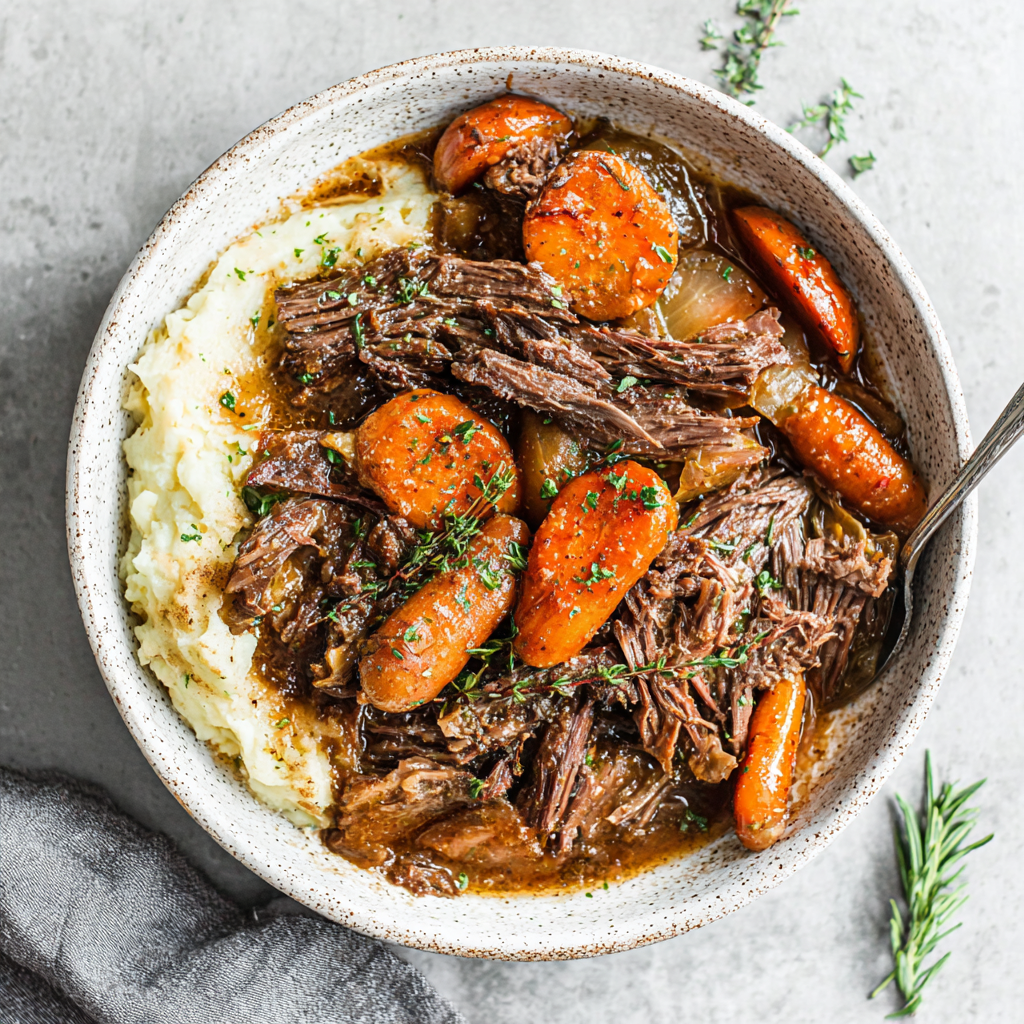
A Savory Embrace: Perfecting Pot Pot Roast
Ingredients
Method
- Preheat your oven to 325°F (160°C).
- Season the beef chuck roast with salt and pepper on all sides.
- In a large Dutch oven, heat oil over medium-high heat. Sear the roast until browned on all sides, about 5-7 minutes per side.
- Remove the roast from the pot and set it aside. Add onions, carrots, celery, and garlic to the pot.
- Stir in the tomato paste and cook for another 2-3 minutes until aromatic.
- Add the beef broth and scrape the bottom of the pot to release any browned bits.
- Return the roast to the Dutch oven along with thyme and bay leaves.
- Cover the Dutch oven and place it in the preheated oven. Cook for 3-4 hours or until the meat is fork-tender.
- Once finished, remove the pot roast from the oven and let it rest for 15 minutes before slicing.
- Serve with the cooked vegetables and spoon some of the pan juices over the meat.
Notes
Additional serving suggestions: pair with a crisp salad, garlic bread, or roasted seasonal vegetables for balance.
For make-ahead, prep components separately and assemble just before heating to preserve texture.
Taste and adjust with acid (lemon/vinegar) and salt right at the end to wake up flavors.


