Introduction
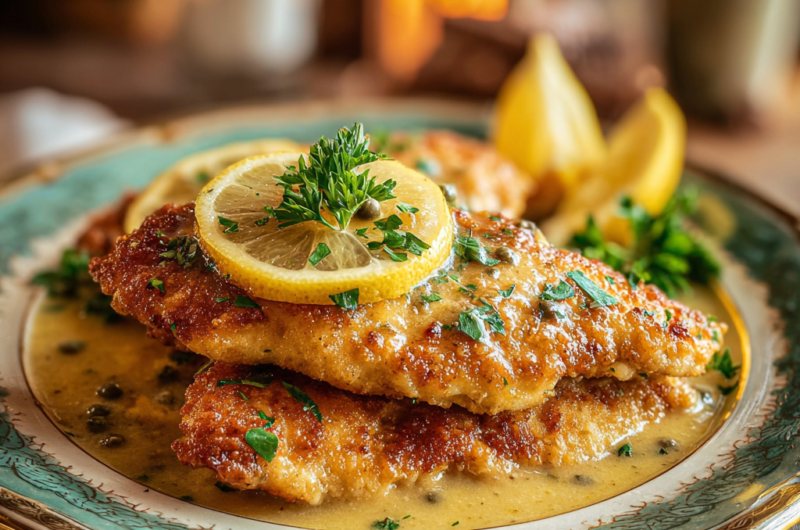
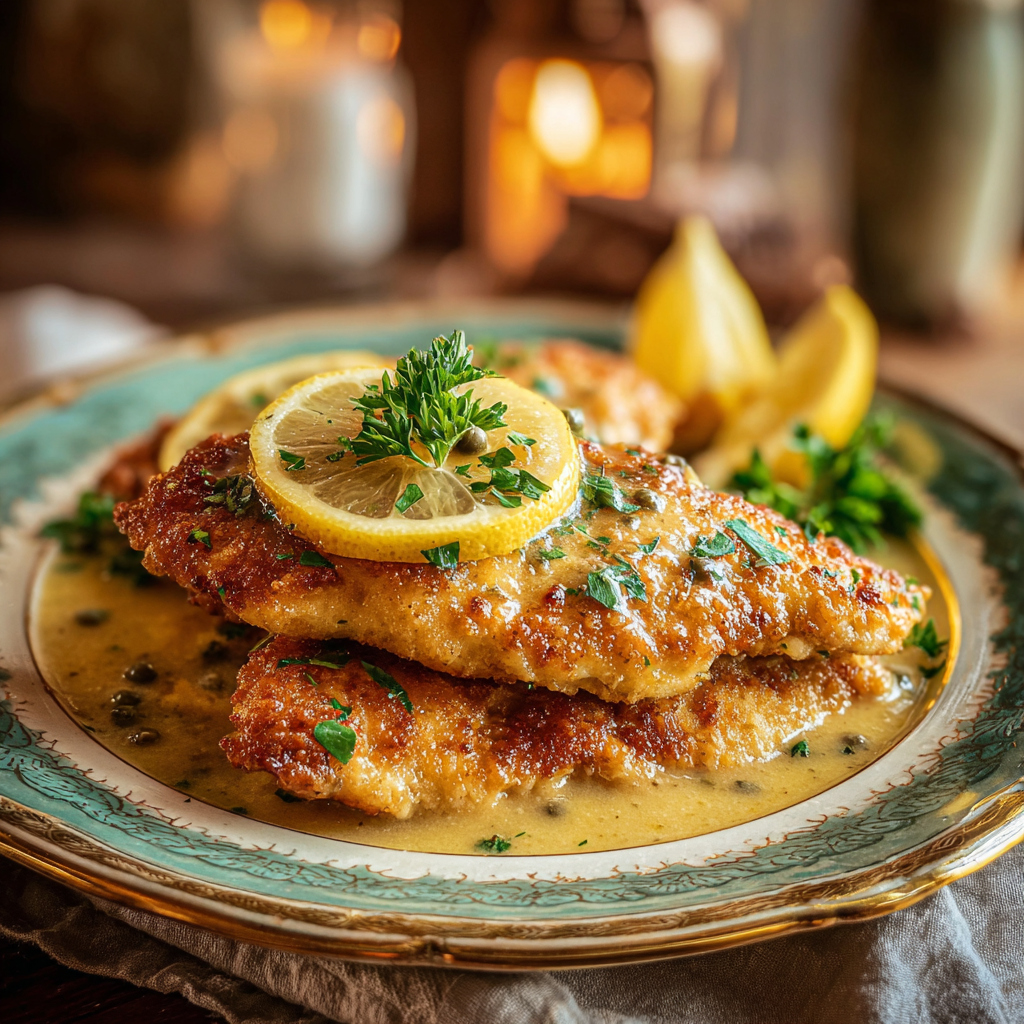
Chicken Piccata is a dish that effortlessly brings together the tender juiciness of chicken and the vibrant flavors of lemon and capers. This Italian favorite is not only quick to prepare but also makes for a show-stopping dinner that impresses family and friends alike.
The beauty of Chicken Piccata lies in its simplicity, yet the balance of acidity, savoriness, and herbaceousness keeps your palate engaged. Whether served over pasta or alongside sautéed vegetables, each plate offers comfort and sophistication.
Incorporating fresh ingredients and techniques with care transforms this traditional recipe into a delightful masterpiece that’s both hearty and refreshing.
Ingredients
- 4 boneless, skinless chicken breasts
Chicken breasts are the star of this dish, providing a lean protein that cooks quickly and absorbs the other flavors beautifully. - Salt and pepper, to taste
Seasoning the chicken generously ensures the meat is not bland, enhancing its flavor and helping to build a delicious crust. - 1/2 cup all-purpose flour, for dredging
Dredging the chicken in flour creates a light crust that helps to achieve a golden-brown exterior while sealing in moisture. - 6 tablespoons unsalted butter
Butter adds richness to the sauce and aids in browning the chicken. The combination of butter with the other ingredients creates a luxurious sauce. - 3 tablespoons olive oil
Olive oil enhances the dish’s Mediterranean character and is used alongside butter for searing the chicken to golden perfection. - 1/2 cup fresh lemon juice
Lemon juice provides a bright acidity that balances out the richness of the chicken and sauce, adding freshness to each bite. - 1/2 cup chicken broth
Chicken broth adds depth of flavor and forms the base of the sauce, enriching it and helping to meld all other elements. - 1/4 cup capers, rinsed and drained
Capers bring a briny, tangy element that heightens the dish's overall flavor profile, providing bursts of flavor in each serving. - 2 tablespoons fresh parsley, chopped
Chopped parsley not only adds a pop of color but also a fresh herbaceous note that complements the acidity and richness of the dish.
Directions & Preparation
Step 1: Prepare the chicken breasts
Start by placing the chicken breasts between two pieces of plastic wrap to pound them to an even thickness. This ensures they cook evenly and remain tender. Seasoning on both sides with salt and pepper enhances their natural taste, and the even thickness aids in achieving a perfect sauté.
Step 2: Dredge the chicken
Coat the seasoned chicken breasts in flour, shaking off any excess. This step is vital as it forms a protective barrier around the chicken, allowing it to develop a nice crust during cooking. The flour also helps to thicken the sauce later on, adding body and texture.
Step 3: Heat the butter and oil
In a large skillet, melt 3 tablespoons of butter with the olive oil over medium-high heat. The combination of butter and olive oil not only adds flavor but helps to achieve a beautiful golden-brown crust on the chicken as both fats have different smoke points.
Step 4: Sear the chicken
Add the dredged chicken to the skillet in a single layer, cooking until golden brown, about 4-5 minutes per side. Searing caramelizes the chicken's surface and locks in moisture while creating flavor through the Maillard reaction.
Step 5: Remove the chicken and deglaze the pan
Once the chicken is cooked through, remove it from the skillet and set it aside. Deglazing the pan with chicken broth allows you to lift all the flavorful bits stuck to the bottom, which will intensify your sauce's flavor—this is the foundation of deliciousness.
Step 6: Make the sauce
Add lemon juice and capers to the deglazed pan, stirring to incorporate. This quick sauce development works as the residual heat from the pan helps to combine flavors rapidly, ensuring the sauce remains bright and tangy. Allow it to simmer for a couple of minutes.
Step 7: Finish the sauce
Whisk in the remaining butter until melted and incorporated into the sauce. This adds creaminess and richness, rounding out the tangy flavors. A well-emulsified sauce clings to the chicken and enhances each bite.
Step 8: Return the chicken to the sauce
Nestle the chicken back into the skillet, allowing it to reheat for a minute and soak up those delicious sauce flavors. This step is crucial as it ensures your chicken is hot and infused with the lovely lemon-caper sauce, harmonizing the dish.
Step 9: Garnish and serve
Sprinkle the chopped fresh parsley over the chicken just before serving. The vibrant green adds freshness and color to your dish, making it appealing. Serving with your favorite sides will highlight the flavors beautifully.

The Impact of Fresh Ingredients
Using fresh ingredients is critical in Chicken Piccata. The vibrancy of fresh lemons, the saltiness of capers, and the aroma of fresh herbs create a symphony of flavors. If possible, select organic chicken to make the most of this dish. Freshness not only elevates the taste but also contributes to the dish's authentic Italian character.
Perfecting Your Cooking Technique
The method of gently pounding the chicken ensures even cooking, while proper searing at the right temperature guarantees a crispy exterior. Be cautious of overcooking; this can lead to dry chicken. Two simple tools, a meat mallet and a reliable skillet, are essential for achieving that tantalizing golden crust without sacrificing tenderness.
Pairing Suggestions for Chicken Piccata
While Chicken Piccata shines on its own, consider pairing it with sides that complement its flavors. Traditional choices include angel hair pasta tossed with olive oil and garlic or a side of lemony roasted asparagus. Additionally, a light salad with a citrus dressing can enhance the meal while adding refreshing elements.
FAQs
What can I do if my sauce is too thin?
If your sauce isn't thickening as you’d like, consider adding a bit more butter and whisking it in to emulsify. Additionally, you can let the sauce simmer a bit longer to reduce it.
How can I enhance the flavors of the lemon sauce?
Adding a touch of white wine just after deglazing can elevate the sauce's flavor. Moreover, incorporating a pinch of red pepper flakes adds a lovely hint of heat.
What if my chicken turns out dry?
To ensure tender chicken, make sure not to overcook it. Always monitor the time while searing and consider using a meat thermometer to check for an internal temperature of 165°F.
Can I scale this recipe for a larger group?
Yes, this recipe can be doubled or tripled. Just ensure you have a large enough skillet to cook the chicken in batches, if necessary, to avoid overcrowding.
What if my capers are too salty?
If you find capers excessively salty, rinse them thoroughly under cold water before adding them to your dish. This washes off some salt without sacrificing their signature flavor.
Can I use different protein in this recipe?
Absolutely! While chicken is traditional, you can also try this method with fish like sole or even turkey cutlets, adjusting cooking times accordingly.
Conclusion
Chicken Piccata is a dish that can be easily mastered in your kitchen, bringing a taste of Italy directly to your home. With its bright flavors and simple preparation, it’s ideal for both weeknight dinners and special occasions.
Once you’ve tried this rendition, you may find it quickly becoming a family favorite. Embrace the joy of cooking and savor the vibrant, rich flavors that make Chicken Piccata so beloved.
Recipe Card
A Flavorful Take on Classic Chicken Piccata
Ingredients
Method
- Prepare the chicken breasts
- Dredge the chicken
- Heat the butter and oil
- Sear the chicken
- Remove the chicken and deglaze the pan
- Make the sauce
- Finish the sauce
- Return the chicken to the sauce
- Garnish and serve
Notes
Additional serving suggestions: pair with a crisp salad, garlic bread, or roasted seasonal vegetables for balance.
For make-ahead, prep components separately and assemble just before heating to preserve texture.
Taste and adjust with acid (lemon/vinegar) and salt right at the end to wake up flavors.