Introduction
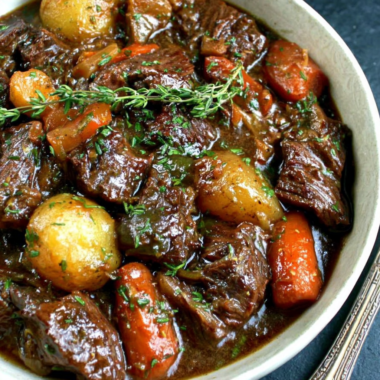
Dublin Coddle is more than just a dish; it embodies the rich culinary heritage of Ireland, particularly of Dublin. Traditionally a stew-like meal, it consists of hearty ingredients that come together in a warm and comforting way, ideal for chilly evenings or when one craves something deeply satisfying.
Historically, Dublin Coddle has been a staple in Irish households, often made with simple ingredients that were readily available. Made with layers of sausages, bacon, potatoes, and onions, it reflects the resourcefulness of home cooks making the most out of limited provisions.
As you delve into making this dish, you'll find each ingredient contributes to a layered depth of flavor that is both robust and soothing. Embrace the process, as each step brings you closer to a meal that’s steeped in tradition and rich in taste.
Ingredients
- 6 Irish pork sausages
These sausages are the centerpiece of Dublin Coddle, providing a robust, savory depth of flavor. Their fat content helps create a luscious broth as they cook down. - 4 slices of unsmoked bacon
Unsmoked bacon adds a rich, smoky flavor to the dish while also contributing to the overall umami profile. The fat from the bacon melts into the broth, enhancing its depth. - 4 large potatoes
Potatoes serve as a hearty base for the coddle, soaking up the rich flavors from the meats and tenderizing beautifully during the cooking process. - 2 large onions
Onions introduce a sweet note and aromatic quality to the dish, building layers of flavor through their caramelization as they cook. - 4 cups chicken or vegetable stock
Stock forms the cooking liquid that unites all flavors in the coddle, providing moisture and richness. It helps in marrying the components together. - 2 cloves garlic, minced
Garlic offers a subtle pungency and depth that enhances the overall flavor of the dish. It complements the meats perfectly and adds aromatic intrigue. - 1 teaspoon thyme
Thyme infuses the coddle with an earthiness that balances its richness, imparting a hint of herbal freshness that lightens the dish. - Salt and pepper to taste
These essential seasonings help to elevate the overall flavor profile of the coddle. Adjusting them to taste ensures a well-rounded dish.
Directions & Preparation
Step 1: Prepare the ingredients by slicing the onions and dicing the potatoes.
Preparing your ingredients beforehand is crucial in ensuring an even cook and a seamless cooking process. This step allows the flavors to develop as the dish simmers, and having everything ready ensures you can focus on timing instead of chopping mid-cook.
Step 2: In a large pot, brown the sausages and bacon over medium heat.
Browning the sausages and bacon not only enhances their flavor through caramelization but also releases their fat, which contributes to the overall richness of the coddle. This step establishes a depth of flavor right from the start.
Step 3: Add the onions and garlic to the pot, cooking until softened.
Cooking the onions and garlic until softened allows them to release their natural sugars, creating a sweet and savory base. This aromatic mixture is essential for building the flavor profile of the coddle.
Step 4: Stir in the potatoes, thyme, and pour in the stock.
Adding the potatoes at this stage allows them to absorb the flavors from the meat and aromatic base. The stock serves as the cooking liquid, merging all the ingredients while simmering.
Step 5: Season with salt and pepper, then bring to a gentle boil.
Proper seasoning at this stage helps in balancing the flavors, making sure the final dish is neither bland nor overly salty. Bringing the pot to a gentle boil indicates that the ingredients are beginning to release their flavors.
Step 6: Reduce the heat and let it simmer for approximately 45 minutes.
Simmering allows all the ingredients to meld together beautifully, with the starch from the potatoes enriching the broth. It's important to monitor the heat, ensuring a gentle simmer rather than a vigorous boil to prevent overcooking.
Step 7: Check for seasoning and adjust if necessary before serving warm.
Final seasoning adjustments are vital here, as the flavors may mellow during cooking. Take the time to taste and ensure the coddle is full of robust flavors before it reaches the table.

The Heart of Dublin: Cultural Significance
Dublin Coddle isn't merely a meal; it reflects a rich cultural narrative deeply woven into the fabric of Irish life. Often enjoyed on cold, rainy nights, this dish showcases how humble ingredients can create a comforting communal meal that brings families together, emphasizing the importance of shared heritage.
Customizations: Making it Your Own
While traditional Dublin Coddle is anchored in simple ingredients, many home cooks enjoy adding personal touches such as carrots or parsnips for additional sweetness and texture. This versatility allows for creative adaptations that reflect your own tastes or what’s available in your pantry, making it an ideal dish for experimentation.
Optimal Pairings for Your Coddle
Dublin Coddle pairs wonderfully with a variety of accompaniments. Crusty bread is a classic choice for soaking up the broth, while a side salad lightens the meal and adds a fresh contrast. A pint of stout or a crisp Irish cider complements the flavors beautifully, enhancing the overall dining experience.
FAQs
What can I do if my coddle turns out too thick?
If your coddle is too thick, simply stir in additional stock or water gradually until it reaches your desired consistency. Be sure to adjust the seasoning as you add more liquid.
My coddle tastes bland, how can I fix it?
If the coddle lacks flavor, consider adding more salt, pepper, and herbs like thyme. You can also enhance the flavor with a splash of Worcestershire sauce or high-quality stock.
Can I use a different type of sausage?
Yes, while traditional Irish pork sausages are preferred, you can substitute with chicken or turkey sausages for a lighter version or even vegetarian sausages to suit dietary preferences.
What is the ideal reheating method for leftover coddle?
Reheat the coddle gently on the stovetop over low heat, stirring occasionally. This helps to distribute the flavors evenly without overcooking the ingredients.
Is there a specific way to adjust the cooking time based on ingredient quantities?
Yes, if you increase the quantity of ingredients, it might require a longer cooking time. Just ensure the potatoes are fork-tender and the sausages are cooked through.
How can I ensure my sausages don’t overcook?
To prevent overcooking, add the sausages to the pot after browning and keep the heat at a simmer rather than a boil. This gentle approach keeps them juicy.
Conclusion
Dublin Coddle is a dish that not only satisfies but also tells a story through its ingredients and preparation. With every sip of rich, flavorful broth, you’ll taste the heritage and warmth of Irish cooking traditions.
As you enjoy this hearty meal, consider how the layering of flavors and textures reflects the comfort that home cooking provides. Each bite of coddle offers a sense of connection, rooted in the love of food and family.
Recipe Card

A Hearty Exploration of Dublin Coddle
Ingredients
Method
- Prepare the ingredients by slicing the onions and dicing the potatoes.
- In a large pot, brown the sausages and bacon over medium heat.
- Add the onions and garlic to the pot, cooking until softened.
- Stir in the potatoes, thyme, and pour in the stock.
- Season with salt and pepper, then bring to a gentle boil.
- Reduce the heat and let it simmer for approximately 45 minutes.
- Check for seasoning and adjust if necessary before serving warm.
Notes
Additional serving suggestions: pair with a crisp salad, garlic bread, or roasted seasonal vegetables for balance.
For make-ahead, prep components separately and assemble just before heating to preserve texture.
Taste and adjust with acid (lemon/vinegar) and salt right at the end to wake up flavors.