Introduction
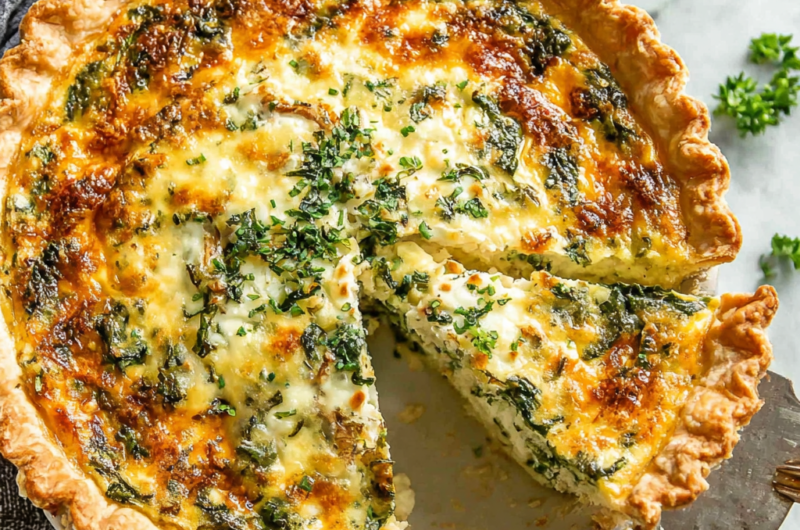
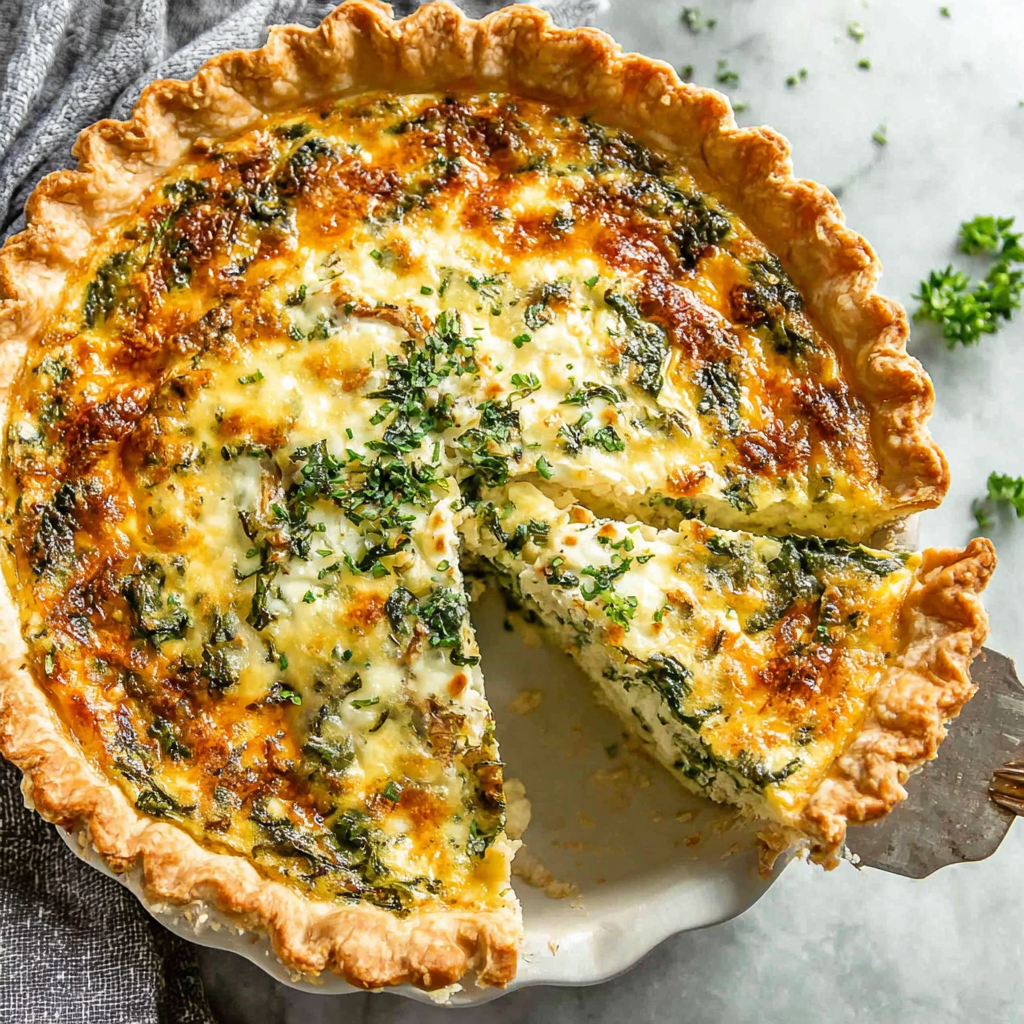
Vegetarian quiche is a versatile dish that serves as a perfect meal for breakfast, lunch, or dinner. Its rich custard filling and flaky crust provide a satisfying combination that can please both vegetarians and meat-lovers alike. Packed with vegetables and cheese, this dish not only delivers on flavor but also on nutrition.
Emphasizing seasonal ingredients, you can customize your quiche to highlight the freshest produce available. From springtime asparagus to autumnal squash, there’s no end to the flavor combinations you can create. Plus, it’s a great dish for using up any leftover veggies in your fridge—a true zero-waste recipe.
Making quiche from scratch may seem daunting, but the process is straightforward and rewarding. With a little preparation, you'll be able to whip up a stunning quiche that can be served hot or at room temperature, making it a fantastic addition to any gathering or meal prep strategy.
Ingredients
- 1 pie crust
The pie crust is the foundation of your quiche, providing a buttery, flaky base that contrasts beautifully with the creamy filling. You can use a store-bought crust for convenience or make your own from scratch for freshness. - 4 large eggs
Eggs are the key ingredient that binds the filling together, creating a rich custardy texture. They also contribute to the protein content, making the quiche satisfying and filling. - 1 cup heavy cream
Heavy cream adds richness and creaminess to the custard, giving the quiche its luxurious mouthfeel. You can use half-and-half or milk for a lighter version, but the flavor won't be quite as decadent. - 1 cup shredded cheese (such as Gruyère or cheddar)
The cheese provides flavor and creaminess, helping to create a satisfying, melty consistency in each slice. Different cheeses can dramatically change the taste, so feel free to experiment. - 1 cup chopped vegetables (like spinach, bell peppers, or zucchini)
The vegetables add color, texture, and essential nutrients to your quiche. Choosing seasonal vegetables ensures freshness and enhances the overall taste. - Salt and pepper to taste
These basic seasoning ingredients are crucial for enhancing the flavors of all the other components. Proper seasoning is what distinguishes a bland dish from a truly delicious one. - 1 tablespoon olive oil (optional)
If using vegetables that need to be sautéed, olive oil helps in softening them and releasing their flavors. It also adds a richer taste to the filling.
Directions & Preparation
Step 1: Preheat the oven to 375°F (190°C).
Preheating the oven is crucial as it ensures that your quiche cooks evenly from the start. An adequately heated oven helps to set the custard quickly, leading to a tender filling without overcooking the crust.
Step 2: If using, sauté the vegetables in olive oil until softened.
Sautéing vegetables before adding them to the quiche enhances their flavor and removes excess moisture that could make your quiche soggy. This step is particularly important for watery vegetables like zucchini or mushrooms.
Step 3: In a mixing bowl, whisk together eggs, cream, salt, and pepper until well combined.
This step helps to incorporate air into the mixture, leading to a fluffier texture once baked. It's also important to thoroughly mix the ingredients to ensure even seasoning throughout.
Step 4: Stir in the cheese and sautéed vegetables into the egg mixture.
By adding the cheese and vegetables to the egg mixture, you ensure that they are evenly distributed throughout the quiche. This step is key to achieving that perfect bite with every slice!
Step 5: Pour the filling into the pie crust.
Pouring the filling directly into the crust allows the layers to meld beautifully during baking. Make sure the crust is cold to prevent it from becoming soggy as it absorbs some of the filling moisture.
Step 6: Bake in the preheated oven for 30-35 minutes, or until the filling is set and the top is golden.
Monitoring the quiche as it bakes is critical. You'll know it's done when the filling is slightly puffed and a knife inserted in the center comes out clean. Avoid opening the oven door too soon to prevent the temperature from dropping.
Step 7: Allow the quiche to cool for 10 minutes before slicing.
Letting the quiche rest allows the filling to firm up a bit, making for easier slicing and preventing it from falling apart. This short wait also enhances the flavor as it has time to settle.

Seasonal Vegetable Variations
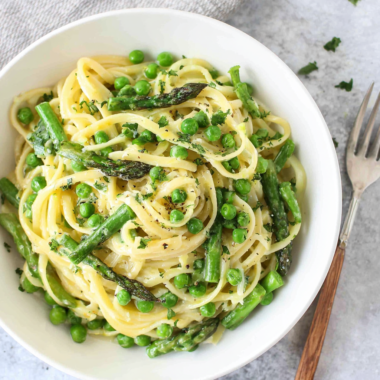
One of the beauties of quiche is its adaptability to whatever vegetables are in season. In the spring, vibrant asparagus and peas can take center stage, while summer might call for juicy tomatoes and sweet corn. Fall is ideal for utilizing hearty squashes or roasted root vegetables. Keeping your quiche seasonal not only enhances flavor but also supports local agriculture and reduces environmental impact.
Cheese Choices for Flavor Depth
The type of cheese you choose can significantly affect the taste profile of your quiche. Gruyère adds a rich, nutty flavor, while sharp cheddar lends a tangy bite. For a more unique twist, try adding blue cheese for a bold kick or feta for a briny element. Mixing different cheeses can create complex flavor layers that intrigue your palate with every morsel.
Perfect Pairings with Quiche
Quiches shine when served alongside fresh salads or accompanied by a bowl of soup. A light green salad with a tangy vinaigrette balances the rich flavors of the quiche nicely. Additionally, a cup of creamy tomato soup perfectly complements the savory notes of the quiche, transforming a simple brunch or dinner into a sumptuous experience.
FAQs
What if my quiche filling is too dense?
If your quiche is overly dense, it may be due to using too many eggs or not enough cream. For a lighter texture, stick to a ratio of one egg per half cup of cream, or experiment by whipping the eggs beforehand.
Can I use a different type of pie crust?
Absolutely! You can use a whole wheat crust, puff pastry, or even a vegetable crust made with ingredients like cauliflower. Each option will offer a unique texture and flavor.
Why did my quiche turn out bland?
Blandness can occur if the custard mixture isn't adequately seasoned. Always taste the egg and cream mixture before pouring it into the crust to ensure balanced seasoning.
What vegetables work best in quiche?
Common choices include spinach, bell peppers, mushrooms, and zucchini. Aim for a mix of vegetables that offer both flavor and texture, balancing soft and crunchy elements.
How do I ensure my crust doesn't get soggy?
To prevent a soggy crust, par-bake the pie crust for 10 minutes at 375°F (190°C) before adding the filling. Additionally, avoid using overly watery vegetables.
Can I add herbs to my quiche?
Fresh or dried herbs like thyme, basil, or chives can enhance the flavor significantly. Add herbs directly to the egg mixture or sprinkle them on top before baking.
Conclusion
Vegetarian quiche is a delightful dish that combines versatility and taste, making it a staple for any home cook. With a few key ingredients and minimal effort, you can create a dish that impresses at any meal. Don't hesitate to play around with ingredients to find your perfect combination.
Whether served warm or at room temperature, this quiche is a fantastic way to showcase seasonal produce and different flavors. Enjoy the process of creating and savoring your own homemade vegetarian quiche, and it might just become a go-to recipe in your culinary repertoire.
Recipe Card
Savory Vegetarian Quiche for Every Occasion
Ingredients
Method
- Preheat the oven to 375°F (190°C).
- If using, sauté the vegetables in olive oil until softened.
- In a mixing bowl, whisk together eggs, cream, salt, and pepper until well combined.
- Stir in the cheese and sautéed vegetables into the egg mixture.
- Pour the filling into the pie crust.
- Bake in the preheated oven for 30-35 minutes, or until the filling is set and the top is golden.
- Allow the quiche to cool for 10 minutes before slicing.
Notes
Additional serving suggestions: pair with a crisp salad, garlic bread, or roasted seasonal vegetables for balance.
For make-ahead, prep components separately and assemble just before heating to preserve texture.
Taste and adjust with acid (lemon/vinegar) and salt right at the end to wake up flavors.