Introduction
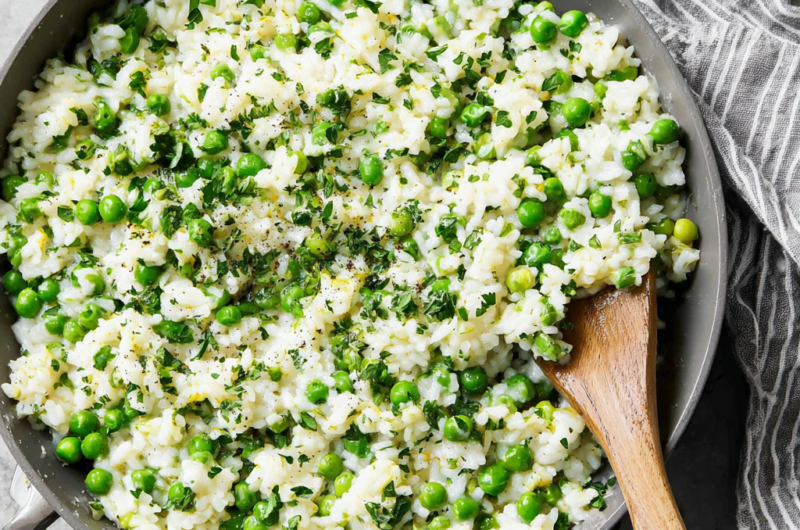
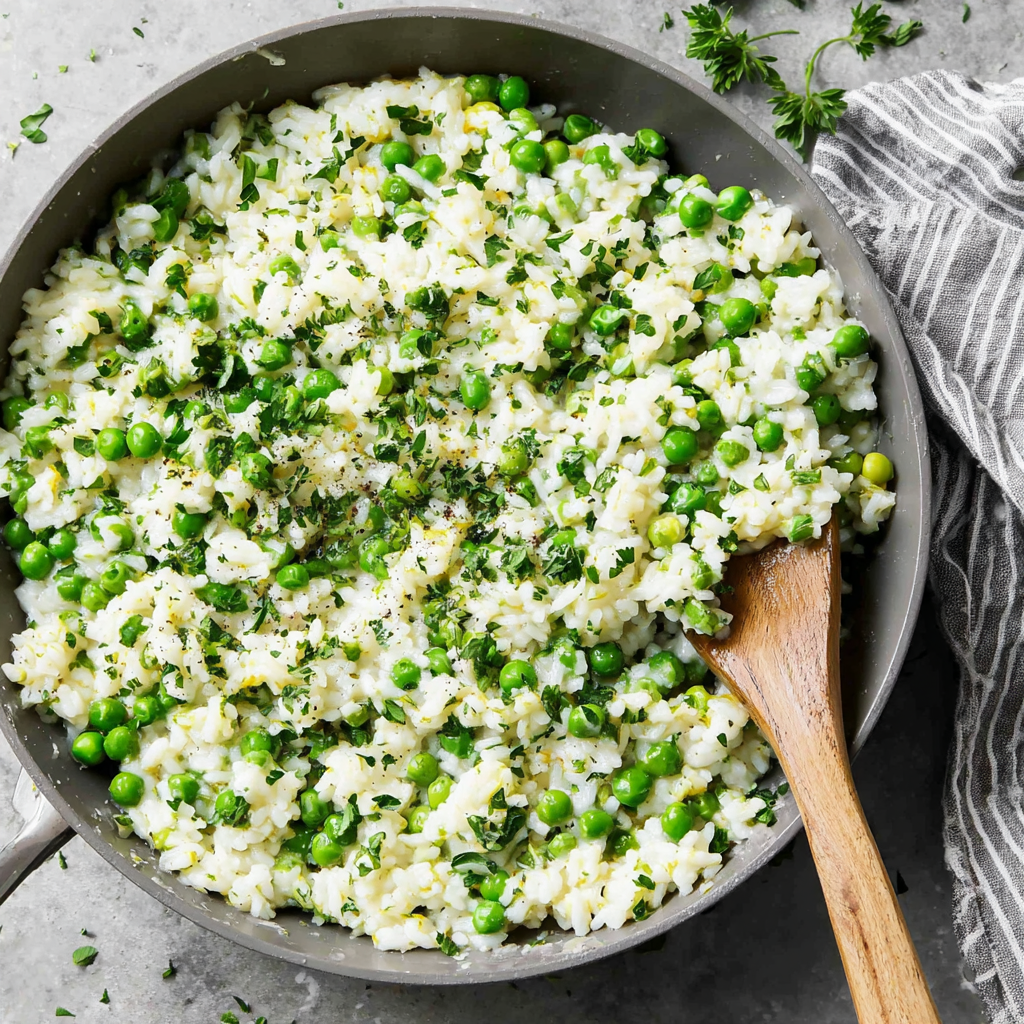
Risi e Bisi, the delightful Venetian dish that melds rice with tender peas, embodies the essence of spring in Italy. This comforting meal serves as a reminder of the beauty found in simple ingredients, elevated through thoughtful preparation.
Originating from the region of Veneto, Risi e Bisi translates to 'rice and peas' and serves as a traditional take on risotto. The subtle sweetness of fresh peas pairs harmoniously with the creamy rice, creating a balance that is both hearty and refreshing.
Ingredients
- 1 cup Arborio rice
Arborio rice is a short-grain rice that is essential for achieving the creamy texture characteristic of risotto. Its high starch content allows the dish to develop a luscious consistency as it cooks. - 2 cups fresh or frozen peas
Peas bring sweetness and a pop of color to the dish. When using fresh peas, they add a vibrant flavor, while frozen peas are a convenient substitute that still offers great taste. - 4 cups vegetable or chicken broth
Broth is the cooking liquid that imparts flavor to the rice. Using homemade broth enhances the dish, but store-bought varieties can work well, too. It’s crucial to keep the broth warm while cooking. - 1/2 cup onion, finely chopped
Onions provide a foundational flavor that is subtle yet essential. Sautéing them until soft releases their natural sweetness, which enhances the overall taste of the dish. - 2 tablespoons olive oil
Olive oil adds richness and depth to the dish. It’s also used for sautéing the onions, ensuring they soften without browning, which is key to a delicate flavor. - 1/2 cup Parmesan cheese, grated
Parmesan cheese lends a nutty and savory element, enriching the dish's creaminess. It’s best when stirred in at the end, allowing it to melt beautifully. - Salt to taste
Salt balances the flavors of all the ingredients, enhancing the natural taste of the peas and the rice. Be careful to add it gradually to avoid overpowering the dish. - Freshly cracked black pepper, to taste
Black pepper adds an additional layer of flavor, contributing a mild heat that contrasts with the sweetness of the peas. It’s best when added just before serving.
Directions & Preparation
Step 1: Heat the broth in a saucepan and keep it warm throughout the process.
Keeping the broth warm is crucial for cooking the rice evenly. If you add cold broth to the rice, it slows the cooking process, preventing the rice from releasing its starches that create a creamy texture.
Step 2: In a large skillet, heat olive oil over medium heat and sauté the chopped onions until translucent.
Sautéing the onions at medium heat allows them to soften and release their sweetness without caramelizing. This builds a flavor base that is essential for Risi e Bisi and sets the stage for the rice.
Step 3: Add the Arborio rice to the skillet and stir for 1-2 minutes until it’s slightly toasted.
Toasting the rice enhances its nutty flavor and prepares it for absorbing the broth. This initial step is important in developing a deeper flavor profile in the dish.
Step 4: Pour in 1 cup of warm broth, stirring gently until the liquid is mostly absorbed.
Gradually adding warm broth and stirring helps release the starches from the rice, creating a creamy consistency. This process is the hallmark of risotto, so patience is key.
Step 5: Continue adding broth one cup at a time, allowing each addition to be absorbed before adding the next.
This gradual addition prevents the rice from becoming mushy while ensuring it cooks evenly. Maintain a gentle stirring motion to encourage the rice to release its starches.
Step 6: When you have about 5 minutes left of cooking, stir in the peas.
Adding the peas later in the cooking process ensures they retain their bright color and tender texture. This step infuses the dish with freshness and maintains vibrant flavors.
Step 7: Once the rice is al dente and creamy, remove the skillet from heat and stir in Parmesan cheese, salt, and black pepper.
Incorporating the cheese off the heat allows it to melt without clumping. Adjusting seasoning at this stage ensures a perfectly balanced flavor that highlights the sweet peas.
Step 8: Serve hot, garnished with extra Parmesan and a sprinkle of black pepper.
Serving immediately retains the dish's creamy texture. Garnishing adds visual appeal and an extra layer of flavor, making it a truly satisfying meal.

The Role of Fresh Ingredients
Using fresh ingredients in Risi e Bisi is key to achieving a vibrant flavor profile. The sweetness of fresh peas, whether freshly shelled or indeed frozen, brings lightness to the dish, while high-quality cheese elevates the overall taste. In spring, when peas are in season, this dish shines brightest and offers an authentic taste of Italian culinary traditions.
Balancing Creaminess and Flavor
Achieving the right creaminess in Risi e Bisi hinges on the slow addition of broth and the starchiness of Arborio rice. Each spoonful should have a silky, almost risotto-like quality. The balance of flavors, from the sweet peas to the sharpness of the cheese, creates a symphony on the palate that celebrates the beauty of simplicity.
Pairing Suggestions for Risi e Bisi
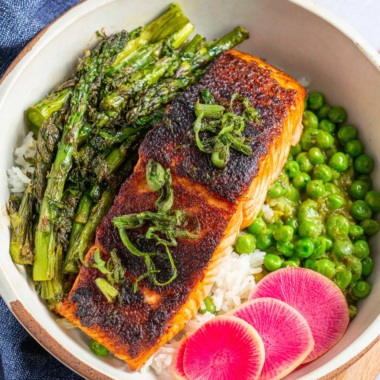
While Risi e Bisi can stand alone as a delightful dish, pairing it with light proteins like grilled chicken or fish enhances the overall meal. A crisp green salad with a citrus vinaigrette can provide a refreshing contrast, while a glass of white wine, such as Pinot Grigio, complements the flavors beautifully, transforming a simple dish into a special occasion.
FAQs
What should I do if my Risi e Bisi turns out too thick?
If your dish is too thick, add a little more warm broth or water, stir it gently, and let it simmer for a few more minutes until the consistency is to your liking.
Is it possible to scale this recipe for larger servings?
Absolutely! To scale up, simply multiply each ingredient by the number of servings needed, ensuring that you maintain the same cooking technique for consistent results.
How can I incorporate herbs into Risi e Bisi?
Herbs like mint or parsley can be added during the last few minutes of cooking. They introduce fresh notes that pair excellently with the peas.
Can I make this dish more substantial?
To add heartiness, consider mixing in proteins like cooked sausage or shredded chicken when you add the peas.
What can I do if the dish tastes bland?
If your dish lacks flavor, try adding more salt incrementally, and consider a squeeze of lemon juice or extra cheese to enhance the taste.
Should I cover the skillet while cooking?
It's recommended to leave the skillet uncovered to allow excess moisture to evaporate, promoting the creamy risotto texture.
Conclusion
Risi e Bisi is more than just a rice dish—it's a celebration of fresh ingredients and Italian culinary heritage. With each bite, you'll taste the care that goes into this comforting meal.
Whether enjoyed on a cozy weeknight or showcased at a special gathering, this delightful dish will surely make an impression. Embrace the simplicity of Risi e Bisi, and let it shine on your dining table.
Recipe Card
Discover the Comfort of Risi e Bisi Rice and Peas
Ingredients
Method
- Heat the broth in a saucepan and keep it warm throughout the process.
- In a large skillet, heat olive oil over medium heat and sauté the chopped onions until translucent.
- Add the Arborio rice to the skillet and stir for 1-2 minutes until it’s slightly toasted.
- Pour in 1 cup of warm broth, stirring gently until the liquid is mostly absorbed.
- Continue adding broth one cup at a time, allowing each addition to be absorbed before adding the next.
- When you have about 5 minutes left of cooking, stir in the peas.
- Once the rice is al dente and creamy, remove the skillet from heat and stir in Parmesan cheese, salt, and black pepper.
- Serve hot, garnished with extra Parmesan and a sprinkle of black pepper.
Notes
Additional serving suggestions: pair with a crisp salad, garlic bread, or roasted seasonal vegetables for balance.
For make-ahead, prep components separately and assemble just before heating to preserve texture.
Taste and adjust with acid (lemon/vinegar) and salt right at the end to wake up flavors.