Introduction
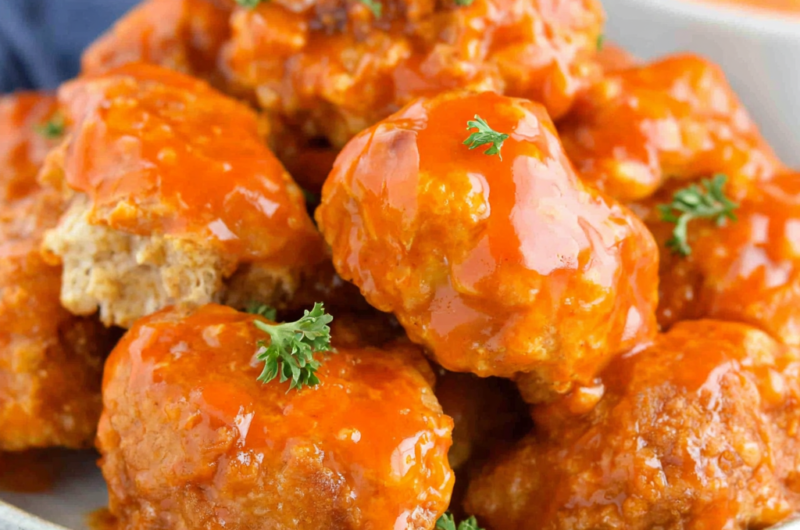
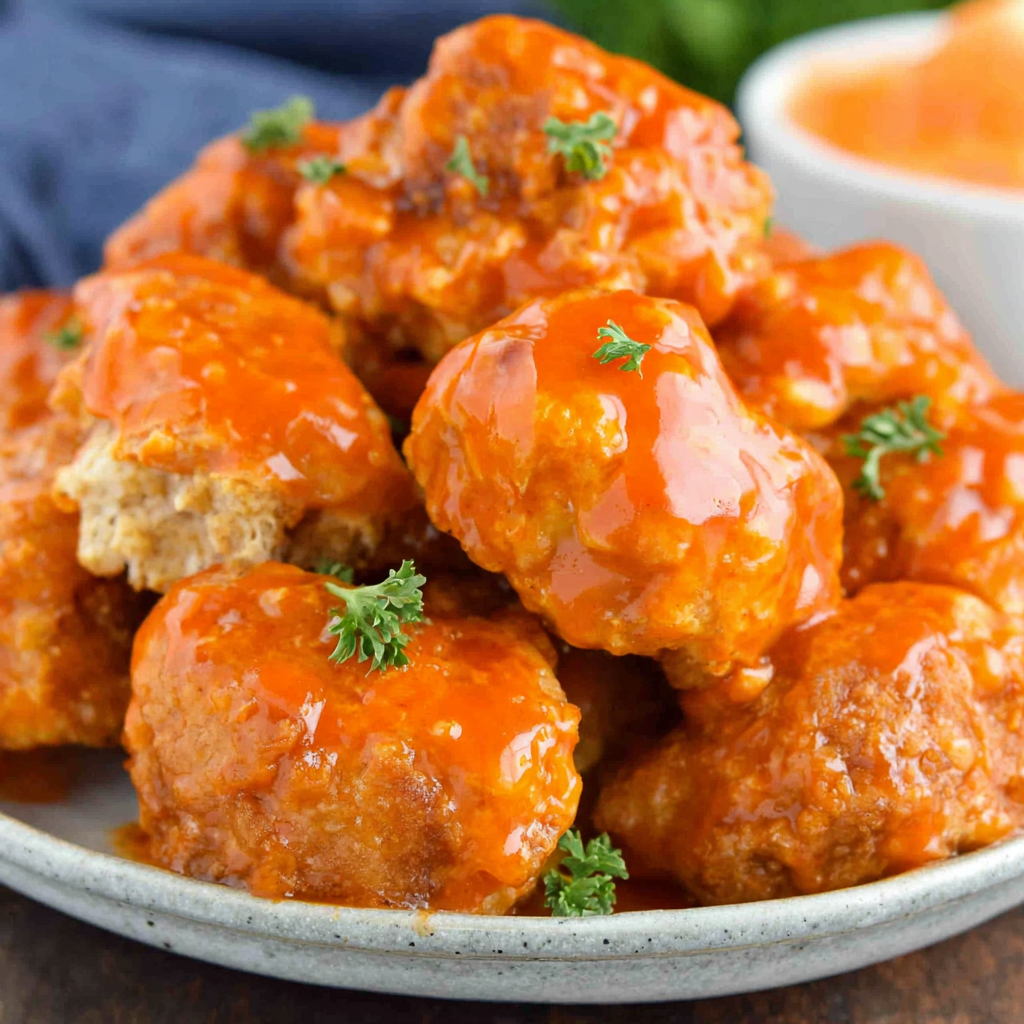
Boneless chicken wings are a versatile and irresistible treat, perfect for gatherings or a cozy night in. These delectable bites are not only easy to prepare but packed with flavor, making them a beloved choice for chicken lovers. Whether it's game day or a simple weeknight dinner, these wings will leave everyone satisfied.
Crafted from chicken breast and enveloped in a crispy coating, boneless chicken wings can be seasoned in various ways to suit any palate. From classic buffalo sauce to unique sweet and savory marinades, you have the freedom to unleash your creativity in the kitchen. Embrace the goodness of homemade boneless wings, and watch how they elevate your meals.
Ingredients
- 1.5 pounds boneless, skinless chicken breasts
The base of your dish, chicken breasts provide a lean and protein-rich source that holds moisture well when cooked, ensuring tender bites. - 1 cup all-purpose flour
This forms the crispy coating for the wings. Flour helps create a golden crust while keeping the chicken moisture inside during cooking. - 1 teaspoon garlic powder
Garlic powder infuses the chicken with rich, savory notes that enhance the flavor profile, adding depth to your dish. - 1 teaspoon onion powder
Onion powder contributes a slight sweetness and aromatic quality, complementing the garlic and overall seasoning of the wings. - 1 teaspoon paprika
Paprika adds a subtle smokiness to the mix and gives the wings a beautiful color when fried or baked. - Salt and black pepper to taste
Essential for enhancing the flavors, salt and pepper balance out the dish, ensuring every bite is seasoned perfectly. - 1 large egg
Used to bind the flour to the chicken, the egg also helps create a crispy coating when fried or baked. - 2 tablespoons hot sauce (optional)
Adding hot sauce to the egg mixture can kick up the heat if you enjoy a spicier variant—perfect for sauce lovers. - 1 cup vegetable oil (for frying)
Essential for deep frying, vegetable oil provides the high heat needed to achieve a crispy exterior on the chicken. - 1/2 cup barbecue sauce or your favorite wing sauce
To finish, tossing the fried chicken in barbecue or any preferred sauce gives the wings bold flavors and ties everything together.
Directions & Preparation
Step 1: Prepare the chicken for cooking.
Start by cutting the chicken breasts into bite-size pieces, aiming for uniformity to ensure even cooking. The size of these pieces directly affects the cooking time, so strive for consistency, typically around one to two inches in size.
Step 2: Set up the breading station.
In one bowl, combine flour, garlic powder, onion powder, paprika, salt, and pepper. In another bowl, whisk together the egg and optional hot sauce. This setup allows for a straightforward breading process, ensuring that each piece of chicken is evenly coated before frying.
Step 3: Dredge chicken pieces in flour mixture, then egg, and back to flour.
Coat each piece of chicken first in the seasoned flour, followed by dipping it into the egg mixture, and finally returning it to the flour. This double-dipping method creates a thicker, crunchier crust that enhances the texture of your wings.
Step 4: Heat the oil in a deep skillet or fryer.
Heat vegetable oil over medium-high heat until it reaches about 350°F. The right temperature is critical; too low will result in greasy chicken, while too high can burn the coating before the chicken is fully cooked. Use a thermometer for accuracy.
Step 5: Fry the chicken in batches.
Carefully place the coated chicken pieces into the hot oil, being cautious not to overcrowd the pan. Fry for approx. 5-7 minutes, turning them occasionally until they are golden brown and cooked through. This step helps achieve that necessary crispy texture.
Step 6: Drain the chicken after frying.
Once cooked, remove the wings from the oil and place them on a plate lined with paper towels. This allows excess oil to drain, guaranteeing a less greasy bite and a crispier finish.
Step 7: Toss the wings in sauce.
In a large mixing bowl, combine the fried chicken with your choice of barbecue or wing sauce. Tossing the wings ensures an even coating, making sure every bite is flavorful and ready to serve to eager guests.
Step 8: Serve and enjoy your homemade wings!
Present your boneless chicken wings on a platter with extra sauce on the side for dipping, if desired. This invites everyone to dig in and customize their flavor experience, perfect for sharing at any gathering.

Experimenting with Sauces
The choice of sauce can elevate your boneless chicken wings from basic to extraordinary. Explore different flavor profiles by trying buffalo, teriyaki, or even honey garlic sauces to match your mood or occasion. Don't hesitate to create your own signature sauce by combining ingredients like soy sauce, honey, and chili, allowing your creativity to shine.
Achieving the Perfect Coating
The key to a satisfying crunch lies in the coating. Consider using a combination of breadcrumbs and panko along with the flour for that additional crunch. For a spicier kick, incorporate crushed red pepper flakes into your seasoned flour, ensuring you have a delightful contrast between the spicy coating and the tender chicken inside.
Baking for a Healthier Twist
For a healthier alternative to frying, you can bake your boneless chicken wings. After coating the chicken, place them on a lined baking sheet and spray with a light layer of cooking oil. Bake in a preheated oven at 400°F for about 20-25 minutes, flipping halfway through for a crispy texture, while significantly reducing the amount of oil used.
FAQs
What if the coating is too thick?
If the coating on your chicken is too thick, it can result in an overly crunchy exterior. Try thinning the flour mixture with a bit of water, or use less flour next time to create a lighter coating.
How can I spice up my chicken wings?
To amp up the flavor, try adding spices such as cayenne pepper to the flour mix, or marinading your chicken beforehand in a mixture of soy sauce, garlic, and ginger.
What can I substitute for vegetable oil?
You can use oils with high smoke points such as canola or peanut oil instead of vegetable oil for frying. Each oil will impart a slightly different flavor to the frying process.
Why are my wings bland?
If your wings turn out bland, consider increasing the amount of seasoning in your flour mixture or marinating the chicken pieces before coating to infuse more flavor.
Can I use chicken thighs instead of breasts?
Absolutely! Chicken thighs can offer a richer flavor and remain juicy during cooking, making them an excellent alternative for boneless wings.
What if I overcooked the chicken?
Overcooked chicken can become dry and tough. To remedy this, consider serving your wings with a generous amount of sauce, which can help counteract some dryness.
Conclusion
Boneless chicken wings are an enticing dish that captivates both flavor enthusiasts and casual diners. By mastering the art of coating and cooking, you can create a succulent meal that's satisfying and fun to enjoy. Remember, the versatility of sauces allows you to customize each batch to your taste preferences.
With a little creativity and a willingness to experiment, you'll soon discover your favorite combinations and modifications. Gather friends and family, and enjoy the delicious bond created over a plate of homemade boneless wings, sharing flavors and laughter.
Recipe Card
Savoring Flavor: A New Take on Boneless Chicken Wings
Ingredients
Method
- Prepare the chicken for cooking.
- Set up the breading station.
- Dredge chicken pieces in flour mixture, then egg, and back to flour.
- Heat the oil in a deep skillet or fryer.
- Fry the chicken in batches.
- Drain the chicken after frying.
- Toss the wings in sauce.
- Serve and enjoy your homemade wings!
Notes
Additional serving suggestions: pair with a crisp salad, garlic bread, or roasted seasonal vegetables for balance.
For make-ahead, prep components separately and assemble just before heating to preserve texture.
Taste and adjust with acid (lemon/vinegar) and salt right at the end to wake up flavors.