Introduction
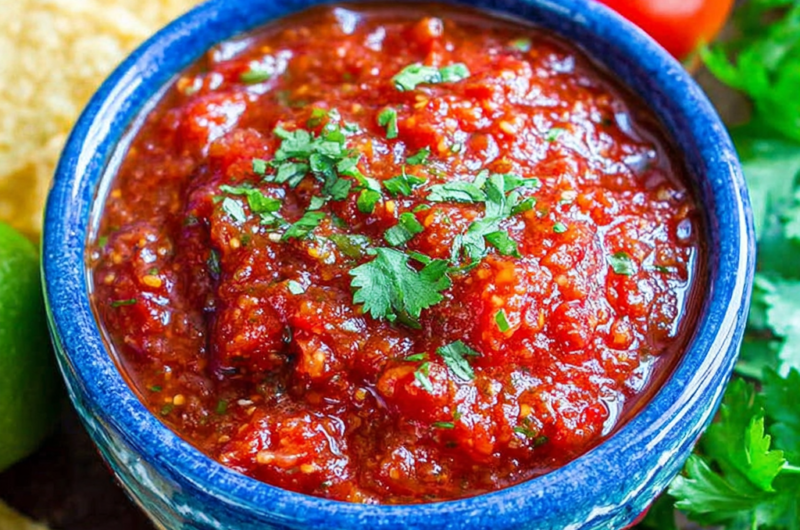
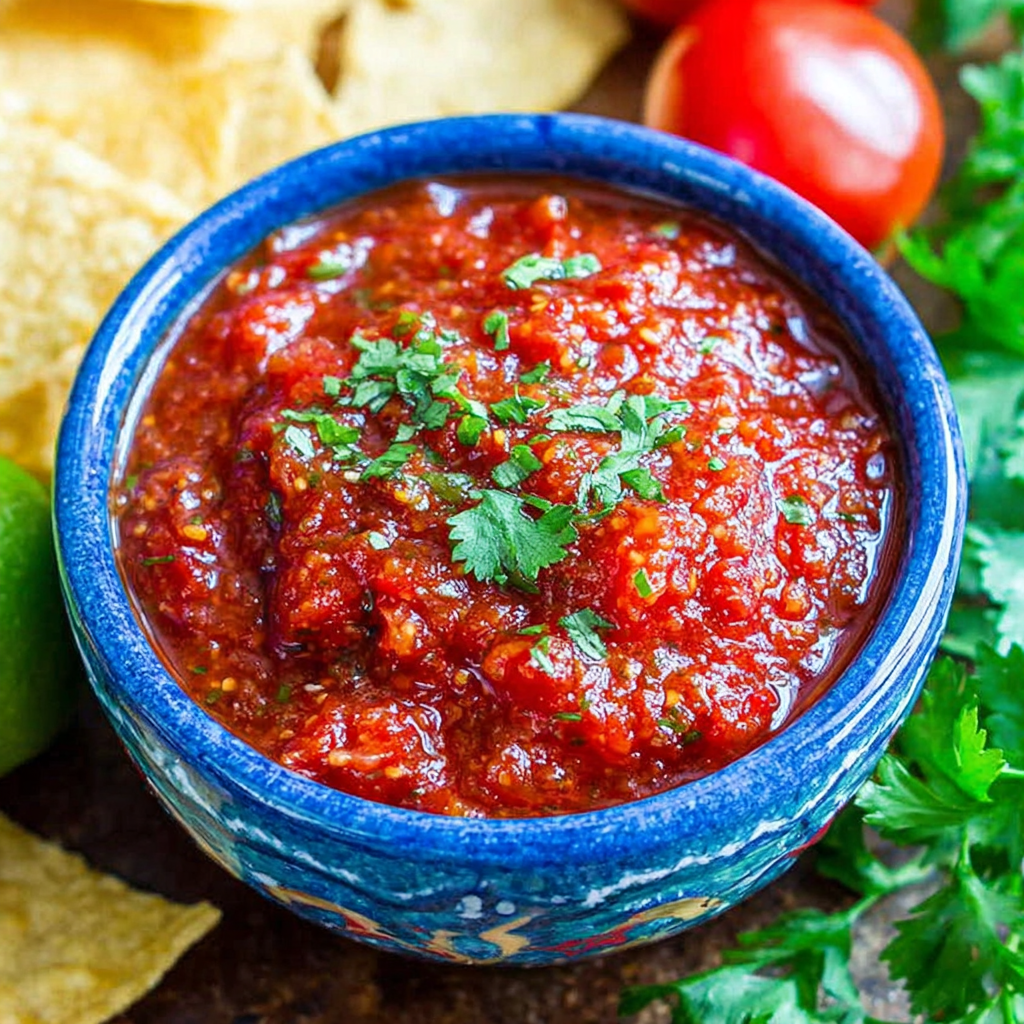
Salsa is a quintessential accompaniment to many dishes, but making it at home can elevate your meals to another level. Restaurant style salsa is about achieving the perfect balance of flavors, whether enjoyed with chips or as a topping for your favorite proteins.
The key to a great salsa lies in the freshness of the ingredients and the right balance of acidity, sweetness, heat, and texture. With just a few simple components, you can create a vibrant and flavorful salsa that rivals any restaurant offering.
In this recipe, we’ll explore the nuances of crafting a restaurant-style salsa that bursts with flavor and freshness, making it a staple in your kitchen.
Ingredients
- 4 medium ripe tomatoes, diced
Tomatoes are the base of any salsa, providing sweetness, acidity, and a juicy texture. Choosing ripe tomatoes ensures the salsa has a rich flavor and vibrant color. - 1 small red onion, finely chopped
Red onion adds a sharpness and crunch to the salsa. It also contributes sweetness when marinated, balancing the acidity of the tomatoes. - 1-2 jalapeño peppers, seeded and minced
Jalapeños add heat to the salsa and can be adjusted according to your spice preference. Removing the seeds mitigates the heat while still providing flavor. - 1/4 cup fresh cilantro, chopped
Cilantro gives the salsa a fresh, herby flavor that brightens up the overall taste. Using fresh cilantro is essential; dried cilantro does not provide the same impact. - Juice of 1 lime
Lime juice adds acidity to balance the sweetness of the tomatoes and onions. It also enhances the overall freshness of the salsa. - 1 teaspoon minced garlic
Garlic contributes a flavorful depth to the salsa. It provides an aromatic quality that complements the other ingredients. - Salt and pepper to taste
Salt enhances the flavors of all ingredients, while pepper can add a bit of heat. Adjusting these seasonings at the end is crucial for a balanced salsa.
Directions & Preparation
Step 1: Prepare the tomatoes by dicing them into small pieces.
Dicing the tomatoes to the right size is important for texture. Too large cuts can make the salsa chunky, while too small might make it soupy. Aim for small, even pieces, ensuring a uniform texture.
Step 2: Finely chop the red onion and jalapeños, adjusting spiciness as desired.
Finely chopping the onion and jalapeños ensures that they blend well with the tomatoes. If you prefer a milder salsa, remove the seeds and membranes from the jalapeños before chopping.
Step 3: Chop fresh cilantro and add it to the mixture.
Fresh cilantro should be chopped just before using, as it wilts quickly. This herb not only adds freshness but also adds a beautiful green color, enhancing the visual appeal of the salsa.
Step 4: Combine all ingredients in a mixing bowl.
Mixing all ingredients together allows the flavors to meld. Use a spatula or large spoon to gently fold the ingredients, ensuring everything is mixed but the tomatoes remain somewhat intact.
Step 5: Squeeze lime juice over the mixture and season with salt and pepper.
Lime juice not only enhances flavor but also preserves the freshness of the ingredients. Use freshly squeezed lime juice for the brightest flavor, and adjust salt and pepper to enhance the taste.
Step 6: Taste and adjust seasonings before serving, if necessary.
Taste testing is crucial. Each ingredient can vary in strength, so you may need to adjust lime juice, salt, or seasonings based on your personal preference.

Choosing the Right Tomatoes
The type of tomatoes you use significantly affects your salsa. Ripe, sweet tomatoes like Roma or vine-ripened varieties provide a great balance of sweetness and acidity. Avoid using underripe tomatoes as they can lead to a bland salsa. For the freshest taste, look for tomatoes in season or consider using canned tomatoes in a pinch.
Enhancing Flavor Profiles
Explore adding layers of flavor by experimenting with other ingredients like roasted corn, black beans, or even pineapple for a sweeter twist. Roasting your tomatoes or jalapeños before adding them to the salsa can also bring a smoky depth. This adaptability allows you to create variations that suit any palate.
Serving Suggestions and Pairings
Restaurant style salsa pairs excellently with tortilla chips, but its versatility extends beyond that. Serve it over grilled chicken, fish, or use it to brighten up tacos and burritos. The freshness can also be enjoyed atop scrambled eggs or on a salad, making it a delightful addition to various meals.
FAQs
What if the salsa is too thick?
If the salsa is too thick for your liking, add a bit of tomato juice or water gradually until you reach your desired consistency.
How can I make this salsa less acidic?
To reduce acidity, try adding a pinch of sugar or a diced avocado for creaminess, which will help balance the flavors.
Is it necessary to peel the tomatoes?
Peeling tomatoes is unnecessary for salsa; the skins add texture and nutrients. However, if you prefer a smoother salsa, blanching to remove skins can be done.
Can I use a food processor to make salsa?
Yes, a food processor can speed up the process. Just pulse the ingredients until combined, but be cautious to not overprocess, as you’ll want to maintain some texture.
Can I substitute another herb for cilantro?
If you’re not a fan of cilantro, try using parsley or green onions as a substitute, but keep in mind the flavor will be different.
What should I do if the salsa tastes bland?
Bland salsa may need more salt, lime juice, or seasons like chili powder or cumin to enhance the flavors. Start with small amounts and taste as you go.
Conclusion
Creating restaurant style salsa at home is not only simple but rewarding. The freshness and flavor of homemade salsa can elevate any dining experience, making your meals more vibrant and enjoyable.
By experimenting with the ingredients and flavors, you can customize the salsa to your liking, ensuring it’s a perfect match for any occasion. Don’t shy away from trying different variations to discover your personal favorites.
Recipe Card
Elevate Your Cooking with Restaurant Style Salsa
Ingredients
Method
- Prepare the tomatoes by dicing them into small pieces.
- Finely chop the red onion and jalapeños, adjusting spiciness as desired.
- Chop fresh cilantro and add it to the mixture.
- Combine all ingredients in a mixing bowl.
- Squeeze lime juice over the mixture and season with salt and pepper.
- Taste and adjust seasonings before serving, if necessary.
Notes
Additional serving suggestions: pair with a crisp salad, garlic bread, or roasted seasonal vegetables for balance.
For make-ahead, prep components separately and assemble just before heating to preserve texture.
Taste and adjust with acid (lemon/vinegar) and salt right at the end to wake up flavors.