Introduction
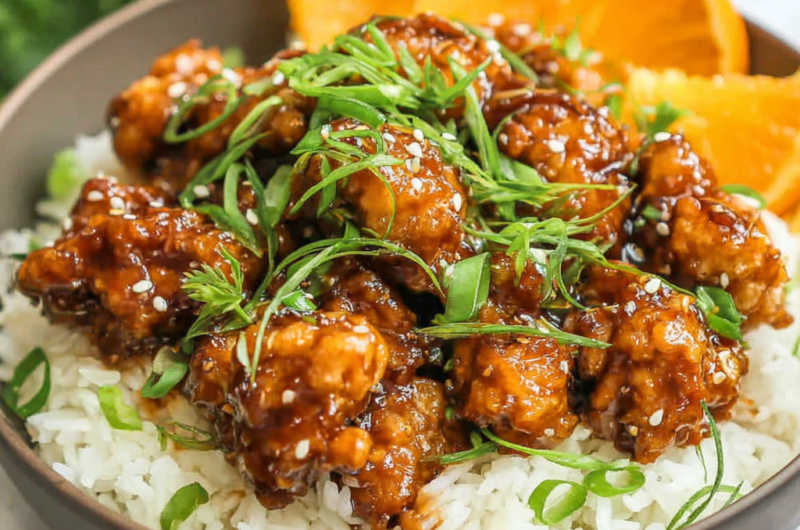
Orange chicken is a beloved dish that bridges the gap between comfort food and gourmet delight. With its sweet and tangy sauce enveloping crispy chicken pieces, it captures the essence of homemade Chinese cuisine while remaining accessible to cooks at all skill levels.
This recipe provides a straightforward approach to achieving that perfect balance of flavors and textures. It's perfect for a family dinner or a lively gathering with friends, showcasing vibrant orange notes and the satisfying crunch of fried chicken.
As you prepare this dish, embrace the vibrant aroma of sizzling garlic and ginger, which serves as the foundation for the flavorful sauce. Let’s dive into this delicious journey of making orange chicken right at home!
Ingredients
- 2 pounds boneless, skinless chicken thighs
Chicken thighs are tender and juicy, providing a rich flavor that holds up well against the bold orange sauce. Their higher fat content compared to chicken breasts helps maintain moisture during cooking. - 1 cup all-purpose flour
The flour is essential for creating the coating that gives the chicken its signature crispy texture when fried. It acts as a barrier to lock in moisture while ensuring the outside gets perfectly golden. - 1/2 cup cornstarch
Cornstarch helps to create an extra crisp layer on the chicken. It absorbs moisture, allowing the flour coating to stick better and providing that sought-after crunch. - 1 teaspoon baking powder
Baking powder helps to lighten the batter, resulting in a fluffier and crispier fry. This also aids in achieving a more tender interior in the chicken. - 1/2 teaspoon salt
Salt enhances the natural flavors of the chicken and ensures that every bite is bursting with taste. It's crucial for balancing the sweetness of the sauce. - 1/2 teaspoon black pepper
Black pepper adds a subtle warmth and depth to the dish, contrasting with the sweetness of the orange sauce. It serves as a flavor enhancer. - 2 eggs, beaten
Eggs are a binding agent that helps the flour and cornstarch adhere to the chicken. This creates a cohesive coating that crisps up nicely when fried. - 1/4 cup soy sauce
Soy sauce adds umami and a salty depth to the marinade, helping to flavor the chicken while also balancing the sweetness of the sauce. - 1/4 cup orange juice
Fresh orange juice infuses the chicken with citrus flavor and moisture, providing a bright, tangy quality that shines through in every bite. - 1/4 cup sugar
Sugar is crucial for creating that sweet contrast in the sauce. It caramelizes during cooking, adding complexity and richness to the overall flavor profile. - 1 tablespoon rice vinegar
Rice vinegar adds acidity and brightness to the sauce, balancing out the sweetness while enhancing the overall flavor with its subtle hint of tang. - 2 teaspoons grated ginger
Fresh ginger provides a warm spiciness that complements the citrus elements. It enhances the overall complexity of the sauce. - 2 cloves garlic, minced
Garlic contributes aromatic and savory notes, enriching the overall flavor profile. It complements the ginger and orange flavors beautifully. - 2 tablespoons vegetable oil (for frying)
The oil is essential for frying the chicken, allowing it to cook quickly while achieving that golden, crispy exterior. A high smoke point oil like vegetable oil is ideal. - 1 tablespoon sesame oil (optional)
Sesame oil adds a nutty richness to the dish and can enhance the flavor of the sauce. Adding it at the end can also increase the aromatic notes.
Directions & Preparation
Step 1: Marinate the chicken.
Start by cutting the chicken thighs into bite-sized pieces. In a mixing bowl, combine the soy sauce, orange juice, and beaten eggs. Add the chicken pieces and mix well, ensuring each piece is coated. Cover and let it marinate for at least 30 minutes in the refrigerator. This step allows the chicken to absorb flavors while tenderizing the meat.
Step 2: Prepare the coating.
In a separate bowl, whisk together the flour, cornstarch, baking powder, salt, and pepper. This dry mixture is key to creating a textural contrast with the cooked chicken. The layers of flour and cornstarch will give the chicken its crispy exterior once fried.
Step 3: Heat the oil for frying.
In a large skillet or a deep pan, heat about 2 tablespoons of vegetable oil over medium-high heat until shimmering. A properly heated oil is crucial for achieving a crispy coating. If the oil isn’t hot enough, the chicken will absorb too much oil, resulting in a greasy texture.
Step 4: Coat the chicken.
Remove the chicken from the marinade, allowing any excess liquid to drip off. Dredge the chicken pieces in the flour mixture, ensuring an even coating. Press lightly to help the coating adhere properly. This step is essential for the crispy texture that makes orange chicken so enjoyable.
Step 5: Fry the chicken.
Carefully add the coated chicken pieces to the hot oil in small batches, ensuring not to overcrowd the pan. Fry for about 5-6 minutes or until golden brown and cooked through. Flipping halfway will ensure an even browning. The chicken should be crispy on the outside while remaining juicy inside.
Step 6: Prepare the sauce.
While the chicken is frying, combine the sugar, rice vinegar, ginger, garlic, and remaining orange juice in a saucepan. Heat over medium heat, stirring until the sugar dissolves. This sauce will bring everything together and should be tangy, sweet, and aromatic.
Step 7: Thicken the sauce.
To thicken the sauce, bring it to a gentle boil and allow to simmer for a few minutes. You can add a cornstarch slurry (1 tablespoon cornstarch mixed with 2 tablespoons water) if you prefer a thicker consistency. The right thickness ensures that the sauce clings beautifully to the chicken.
Step 8: Combine chicken and sauce.
Once the chicken is fried, transfer it to a large bowl. Pour the sauce over the chicken and toss to coat evenly. The glossy sauce enhances the chicken, ensuring every piece is enveloped in flavor. This is when the dish truly comes together.
Step 9: Serve immediately.
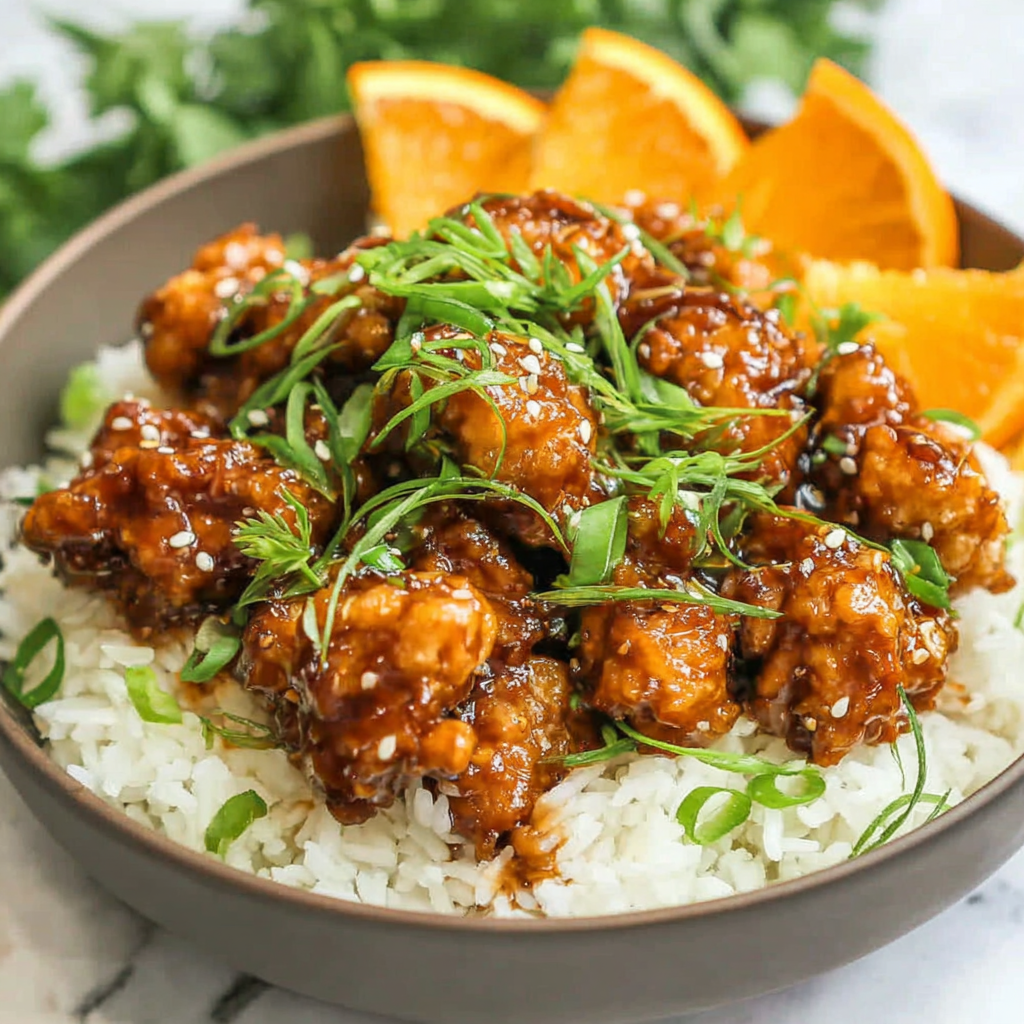
Orange chicken is best enjoyed immediately while the chicken is still crispy. Serve it over steamed rice or with stir-fried vegetables to balance out the sweetness. Garnishing with sesame seeds or sliced green onions can add a touch of freshness.

Enhancing the Sauce with Zest
To elevate the flavor profile of your orange chicken, consider incorporating fresh orange zest into the sauce. The zest contains essential oils that offer a concentrated burst of citrus aroma, enhancing the overall orange essence. Simply grate the outer skin of the orange before juicing, and stir it into your sauce for a fragrant and zesty lift.
Perfecting the Frying Technique
Achieving that crunchy exterior requires the right frying technique. Ensure the oil is at the right temperature to avoid sogginess; using a thermometer can help maintain consistent heat. Frying in small batches prevents temperature drops and allows even cooking, ensuring each piece of chicken comes out golden and crisp.
Pairing Suggestions for Orange Chicken
Orange chicken pairs wonderfully with steamed jasmine rice, which complements its sweetness and absorbs the delicious sauce. Adding stir-fried broccoli or snap peas introduces a fresh, vibrant element to the meal. For an extra kick, serve with a side of spicy Szechuan noodles, enhancing the overall dining experience.
FAQs
What can I do if the sauce is too thick?
If the sauce becomes too thick, simply add a small amount of water or additional orange juice to loosen it up. Heat it gently while stirring until the desired consistency is reached.
How can I adjust this recipe for fewer servings?
To scale this recipe down, you can halve the ingredients proportionately. However, maintain the same cooking techniques and times, as they provide the best results.
What if my chicken turned out bland?
If the chicken lacks flavor, consider increasing the marinade time or adding some spices to the flour mixture. A bit of extra salt can also enhance the overall taste.
Why is my chicken not crispy?
If the chicken is not crispy, ensure that the oil is hot enough before frying. Additionally, avoid overcrowding the pan, as this can lead to steaming rather than frying.
Can I use different citrus juices for the sauce?
Yes, you can experiment with mandarin or grapefruit juice, though the flavor profile will shift. Adjust the sugar content accordingly to maintain balance.
Is it possible to make this dish using tofu instead of chicken?
Absolutely! Firm tofu can be used as a protein substitute. Press it to remove moisture, marinate, and coat in the same way before frying.
What's the best way to reheat leftover orange chicken?
Reheat leftover orange chicken in a skillet over medium heat to restore some crispiness, adding a splash of water to the pan to create steam and prevent it from drying out.
How do I prevent the chicken from being overcooked?
Monitor the frying time closely and use a meat thermometer to ensure the chicken reaches 165°F (74°C). Cooking in batches helps maintain temperature.
Conclusion
With its delightful combination of flavors and textures, this homemade orange chicken can easily become a household favorite. Enjoying such a delicious meal made from scratch provides a sense of satisfaction that restaurant takeout simply can't match.
Take the time to savor the process and tweak the recipe to match your preferences. Thicken the sauce, adjust sweetness, or add your favorite vegetables for a personal touch — the possibilities are endless!
Recipe Card
Delicious Orange Chicken for Home Cooks
Ingredients
Method
- Marinate the chicken.
- Prepare the coating.
- Heat the oil for frying.
- Coat the chicken.
- Fry the chicken.
- Prepare the sauce.
- Thicken the sauce.
- Combine chicken and sauce.
- Serve immediately.
Notes
Additional serving suggestions: pair with a crisp salad, garlic bread, or roasted seasonal vegetables for balance.
For make-ahead, prep components separately and assemble just before heating to preserve texture.
Taste and adjust with acid (lemon/vinegar) and salt right at the end to wake up flavors.