Introduction
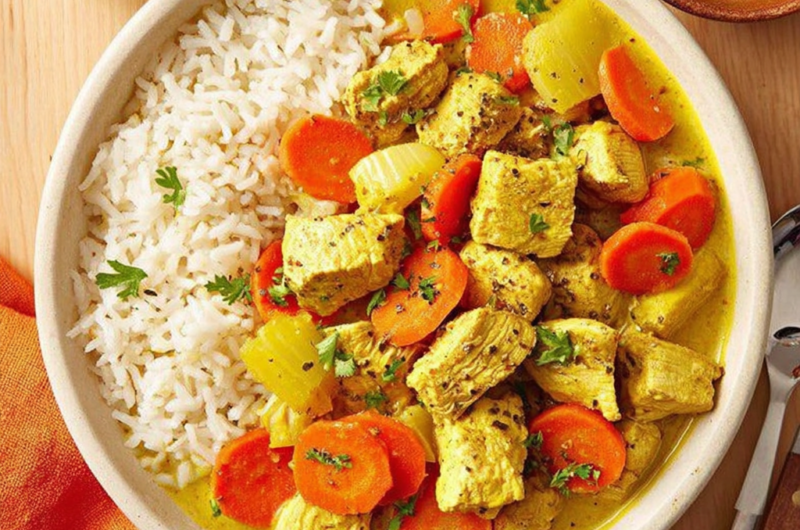
When it comes to comfort food, few dishes stand out quite like a hearty turkey curry paired with beautifully seasoned rice. This dish not only satisfies hunger but also warms the soul with its aromatic spices and vibrant flavors. Turkey, often perceived as a holiday staple, finds a new life in this recipe, transforming leftovers into a delightful meal that’s perfect any day of the week.
Choosing turkey for your curry not only makes it a lighter option but also provides an excellent source of protein. The slow cooking process allows the flavors to meld, making every bite richer and more satisfying. Whether you use leftover turkey or freshly cooked, this turkey curry is an impressive dish that proves simplicity can lead to extraordinary results.
Ingredients
- 2 cups cooked turkey, shredded
The key ingredient, turkey brings a wonderful, rich flavor and tender texture to the curry. It also allows the dish to come together quickly, especially if you’re using leftover turkey. - 1 medium onion, diced
Onions add sweetness and depth to the base of the curry. They also contribute to the overall aromatic profile, enhancing the flavor of the entire dish. - 2 cloves garlic, minced
Garlic not only boosts the flavor but also adds its own unique aroma, making the curry enticing. It’s essential for building the essential flavor foundation. - 1 tablespoon fresh ginger, minced
Fresh ginger introduces a warm spiciness and a distinctive zing, which brightens the dish and balances the richness of the turkey. - 2 tablespoons curry powder
Curry powder is the star seasoning that gives the dish its name. This blend of spices is responsible for the hallmark flavor associated with curry, impacting both aroma and taste. - 1 can (14 oz) coconut milk
Coconut milk adds a luscious creaminess and nuanced sweetness, creating a beautiful contrast to the spices. It binds the ingredients together while making the curry rich and velvety. - 1 cup chicken or vegetable broth
Broth enhances the overall flavor and adds necessary liquid for simmering. It allows the turkey and spices to infuse their flavors into a cohesive sauce. - 1 cup frozen peas
Frozen peas add a pop of color and texture, as well as nutrients. They finish the curry perfectly, complementing the other flavors with their slight sweetness. - 2 tablespoons vegetable oil
Used for sautéing, the oil prevents sticking and helps to cook the aromatics evenly. It’s important for building the base of flavors in the curry. - Salt and pepper to taste
These basic seasonings enhance all the flavors in the dish, ensuring a balanced taste. Adjusting these at the end allows you to personalize the flavor to your liking. - 4 cups cooked rice
Rice serves as the perfect vehicle for the turkey curry. It absorbs the flavors of the curry sauce and provides a satisfying grainy texture complementing the creaminess.
Directions & Preparation
Step 1: Prepare the ingredients.
Start by prepping all your ingredients: shred the turkey, dice the onion, and mince the garlic and ginger. Having everything ready will streamline your cooking process, allowing you to focus on combining the flavors instead of rushing to chop during cooking.
Step 2: Heat oil in a large skillet over medium heat.
Heating the oil before adding aromatics ensures they sauté nicely, unlocking their flavors effectively. Once the oil is shimmering, it's time to introduce the onions, leading the foundation of your curry.
Step 3: Sauté onion until translucent, about 5 minutes.
Sautéing the onion until it becomes translucent builds sweetness and complexity in the dish. This step lays the groundwork for a rich flavor profile, so take your time and stir occasionally for even cooking.
Step 4: Add garlic and ginger, cooking for an additional minute.
Incorporating garlic and ginger at this point invigorates the dish with aromatic notes. Cooking them for a minute allows their natural oils to release, enveloping the whole mixture in a fragrant embrace.
Step 5: Stir in the curry powder, cooking for 30 seconds.
Adding curry powder to the sautéed aromatics boosts the flavor significantly. This step allows the spices to bloom in the oil, intensifying the essence of your curry and preparing your taste buds for a delightful experience.
Step 6: Pour in the coconut milk and broth, mixing well.
Combine the coconut milk and broth, creating a luscious sauce base. This step should be done gently to avoid splattering, and stirring ensures that the spices are evenly distributed throughout the liquid.
Step 7: Bring the mixture to a gentle simmer.
Allowing the mixture to reach a gentle simmer is essential for marrying all the flavors together. It ensures that the spices infuse thoroughly while creating a comforting aroma in your kitchen.
Step 8: Add the shredded turkey and stir to coat.
Integrating the shredded turkey into the simmering sauce not only warms it through but also lets it soak up the aromatic flavors in the curry. Ensure that all the turkey is coated with the sauce for uniform flavor.
Step 9: Add frozen peas and continue to simmer for 5 minutes.
Adding the peas near the end allows them to remain vibrant and slightly firm. This step adds a necessary element of color and texture while enveloping them in the creamy sauce without overcooking.
Step 10: Season with salt and pepper to taste.
Adjusting the seasonings at this point is crucial as it balances out the flavors of the curry. Start with a small amount, taste, and add more as needed to achieve your preferred level of seasoning.
Step 11: Serve hot over cooked rice.
Serving the curry over hot, fluffy rice creates a beautifully comforting dish. The rice absorbs the luscious sauce, enhancing every bite while making for a satisfying meal.

Layering Spices for Flavor Depth
The complexity of a great curry often lies in how the spices are layered throughout the cooking process. Starting with sautéed aromatics warms up the oil, initiating the release of their natural oils. As you add the curry powder later in the roux, you create a base that allows deeper flavors to develop—essential for a bowl that invites you back for seconds.
Selecting the Right Rice
Choosing the right type of rice can significantly alter the dish's texture and flavor experience. Long-grain basmati rice is often preferred for curry dishes due to its fluffy texture and ability to absorb flavors without turning mushy. Cooking rice separately gives it a chance to stand up against the creamy curry without overpowering it.
Versatile Ingredients for Customization
While this recipe shines with turkey, it offers an excellent opportunity for customization based on personal preference or dietary needs. Additional vegetables, such as bell peppers or carrots, can enhance the nutrient profile while not compromising the dish’s integrity. Spice levels can also be adjusted to suit your palate, making it versatile for family preferences.
FAQs
What if my turkey curry sauce turns out too thick?
If your curry sauce is thicker than you would like, simply add a splash of broth or water to loosen it up. Stir carefully as you heat it through until it reaches your desired consistency.
Can I substitute the coconut milk for a lighter option?
Yes, for a lighter version you can use low-fat coconut milk or even unsweetened almond milk, although this will slightly alter the taste and creaminess of the curry.
What should I do if my curry is too spicy?
If your curry turns out too spicy, balance it with a touch of sweetness by adding a small amount of sugar or honey. Incorporating more coconut milk can also help tame the heat.
Can I include other vegetables in the turkey curry?
Absolutely! Adding vegetables like bell peppers or spinach can enhance the flavor and nutritional value. Just be sure to adjust the cooking time accordingly so they don’t overcook.
Can I make this dish ahead of time?
Yes, this turkey curry stores well in the fridge for a day or two. Let it cool before storing in an airtight container for best flavor retention.
What if my curry lacks flavor?
If your curry tastes bland, consider adjusting the seasonings with more salt, pepper, or additional curry powder. A squeeze of fresh lemon juice can also brighten the flavors.
Conclusion
Incorporating turkey into a curry not only gives a new twist to leftovers but also presents an exciting flavor journey for your taste buds. The combination of spices, coconut milk, and tender turkey makes for a dish that feels both exotic and comforting.
By following this recipe, you'll create not just a meal but an experience that fills your home with warmth and invites loved ones to gather. Embrace this simple yet delectable Turkey Curry with Rice and kick mealtime up a notch.
Recipe Card
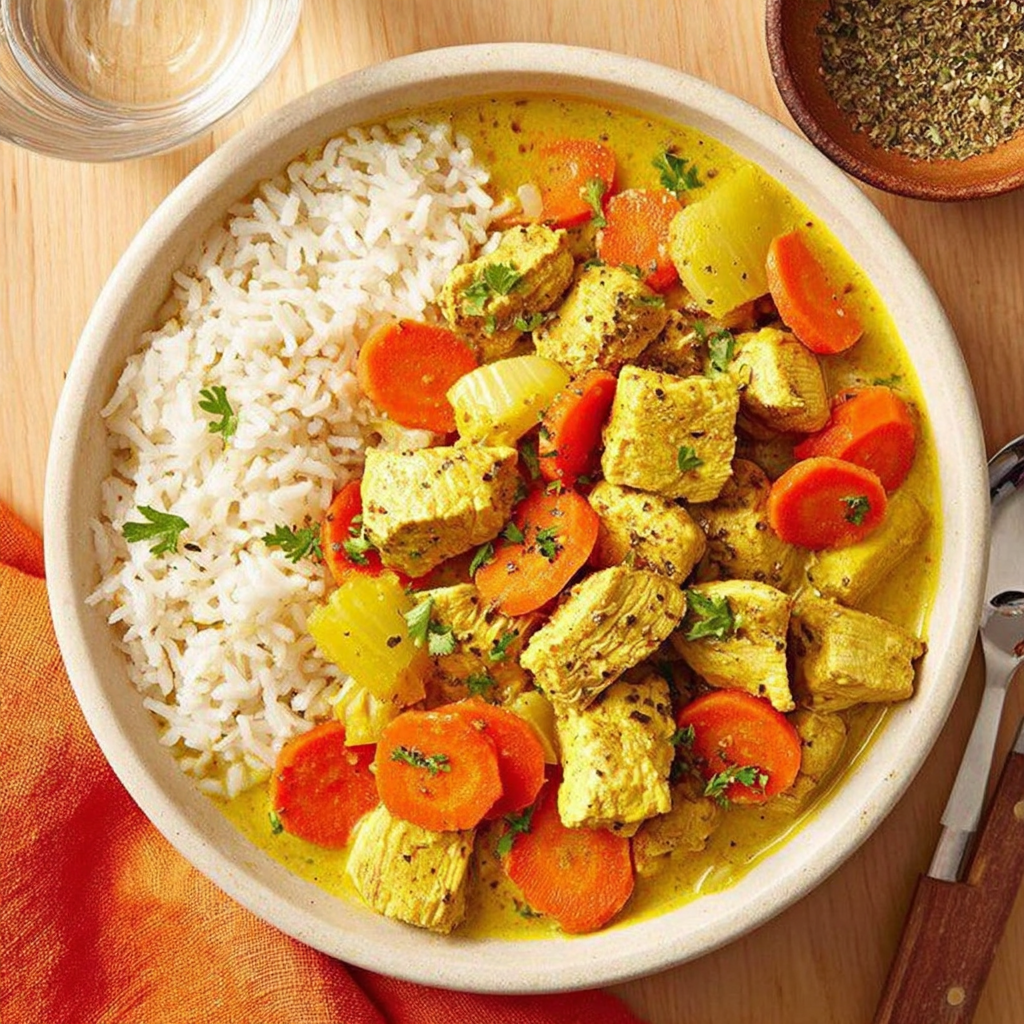
Delicious Turkey Curry with Flavorful Rice
Ingredients
Method
- Prepare the ingredients.
- Heat oil in a large skillet over medium heat.
- Sauté onion until translucent, about 5 minutes.
- Add garlic and ginger, cooking for an additional minute.
- Stir in the curry powder, cooking for 30 seconds.
- Pour in the coconut milk and broth, mixing well.
- Bring the mixture to a gentle simmer.
- Add the shredded turkey and stir to coat.
- Add frozen peas and continue to simmer for 5 minutes.
- Season with salt and pepper to taste.
- Serve hot over cooked rice.
Notes
Additional serving suggestions: pair with a crisp salad, garlic bread, or roasted seasonal vegetables for balance.
For make-ahead, prep components separately and assemble just before heating to preserve texture.
Taste and adjust with acid (lemon/vinegar) and salt right at the end to wake up flavors.