Introduction
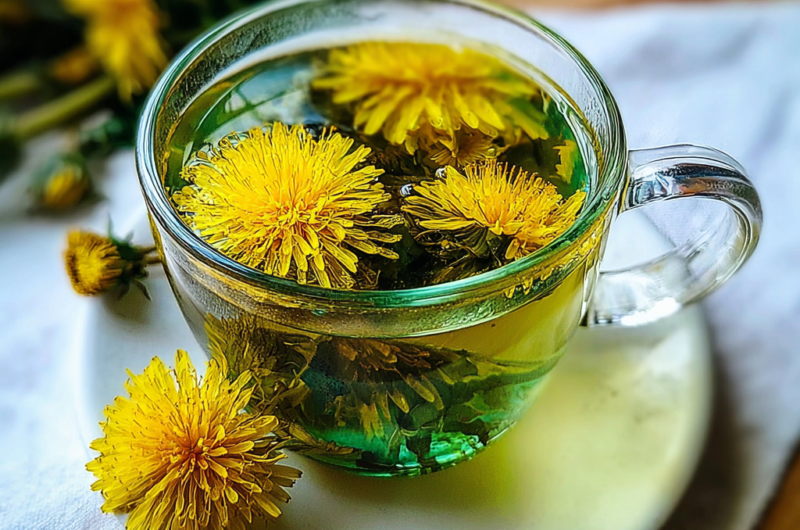
Dandelion tea, once regarded merely as a garden nuisance, has emerged as a beloved herbal infusion celebrated for its myriad health benefits. From supporting digestion to acting as a natural detoxifier, this vibrant yellow flower offers much more than meets the eye.
The process of transforming dandelion roots or leaves into tea is straightforward and rewarding, resulting in a warm, earthy beverage that invites moments of tranquility. Whether enjoyed plain or customized with additional flavors, dandelion tea can enhance your daily wellness routine.
Ingredients
- 1 cup dandelion leaves or 2 tablespoons dried root
Fresh dandelion leaves are tender and provide a mild, slightly bitter flavor that contributes to the tea’s earthy undertone. Dried dandelion root adds a richer, deeper flavor with a focus on detoxification benefits. Both options are packed with vitamins and minerals, supporting overall health. - 2 cups water
Water acts as a solvent to extract the beneficial compounds from the dandelion leaves or root. The quality of the water can affect the overall taste of the tea, so filtered or spring water is recommended for the best flavor. - Optional: honey or lemon to taste
Both honey and lemon can enhance the flavor profile of dandelion tea. Honey adds a natural sweetness, balancing the bitterness of the dandelion, while lemon introduces a tartness that brightens the beverage and adds an extra dose of vitamin C.
Directions & Preparation
Step 1: Prepare the dandelion leaves or root.
If using fresh dandelion leaves, thoroughly rinse them under cool running water to remove any dirt or residues. For dried dandelion root, it should be coarsely chopped or slightly crushed; this increases the surface area for more effective infusion. Proper prep ensures that you are extracting maximum flavor and nutrients from your ingredients.
Step 2: Boil the water.
Bring the water to a rolling boil in a kettle or saucepan. Boiling activates the extraction process, allowing the heat to draw out the beneficial compounds and flavors from the dandelion. Don't rush this step; the right temperature is essential for a full-bodied tea.
Step 3: Add dandelion to the boiling water.
Carefully add the prepared dandelion leaves or root to the boiling water. Reduce the heat and let it simmer for about 10 to 15 minutes, depending on how strong you prefer your tea. This simmering step is critical as it allows the flavors to meld and the health benefits to seep into the liquid.
Step 4: Strain the tea.
Once the tea has reached your desired strength, use a fine mesh strainer or a tea infuser to separate the liquid from the solids. Pouring the tea into a cup removes any residue and ensures a smooth drinking experience, highlighting the dandelion's unique qualities.
Step 5: Add optional sweeteners or flavorings.
If desired, now is the time to mix in honey or lemon to personalize your dandelion tea. Start with a small amount, taste, and adjust according to your palate. This step allows you to make the tea more enjoyable, especially for those who may find the natural bitterness of dandelion overpowering.
Step 6: Serve and enjoy.
Pour the finished tea into your favorite cup, sit back, and take a moment to enjoy its warmth and aroma. Dandelion tea can be consumed hot or allowed to cool and served over ice. Embrace the unique flavor and the positive effects on your body and spirit.

Exploring the Health Benefits of Dandelion Tea
Dandelion tea is renowned for its detoxifying properties, often used to support liver health and digestion. The tea is rich in antioxidants, which help combat oxidative stress in the body. Additionally, it may aid in reducing inflammation and improving digestive health, making it a valuable addition to any wellness regimen.
Flavor Variations to Try
While dandelion tea has a distinctive flavor, there are plenty of ways to customize it. Consider adding a sprig of fresh mint or a slice of ginger for a refreshing twist. Spices such as cinnamon or cardamom can enhance the warmth and depth of the tea, creating a unique flavor profile that suits your taste.
Harvesting Your Own Dandelions
For the adventurous home cook, harvesting dandelions is a rewarding experience. Ensure you pick from chemical-free areas, such as your backyard or an organic garden. Harvest young leaves in the spring for a milder taste, and dig roots in the fall for a more robust flavor. Proper identification is crucial, so familiarize yourself with dandelion characteristics before collecting.
FAQs
How can I tell if my dandelion tea is too strong?
If your tea tastes overwhelmingly bitter, it may be too strong. You can dilute it with a bit more hot water to balance the flavors.
What should I do if my dandelion tea tastes bland?
If your tea lacks flavor, consider brewing it longer to extract more compounds or adding a sweetener like honey or spices to enhance the taste.
Can I use other parts of the dandelion plant?
Yes, you can use all parts of the dandelion. The blossoms can be steeped for a delicate flavor, while the roots provide a richer taste. Adjust steeping time based on the part used.
What’s the best time of year to harvest dandelions for tea?
The best time to harvest dandelions is in early spring for leaves and late summer to fall for roots. This timing maximizes their flavor and nutritional content.
Can I combine dandelion tea with other herbal teas?
Yes, dandelion tea blends well with various herbal teas. Try combining it with chamomile for relaxation or peppermint for a refreshing boost.
What can I do if the tea has an earthy taste I don't like?
If you find the earthiness of the tea unappealing, try adding more lemon or spices to cut through the flavor while providing added health benefits.
Conclusion
Dandelion tea is not just a beverage; it's a celebration of nature and wellness. With its unique flavor and impressive health benefits, it's worth incorporating into your daily routine.
Experimenting with variations and flavors can make this simple drink even more enjoyable. So next time you spot some dandelions, consider brewing yourself a cup of this nourishing infusion.
Recipe Card

The Benefits and Flavor of Dandelion Tea
Ingredients
Method
- Prepare the dandelion leaves or root.
- Boil the water.
- Add dandelion to the boiling water.
- Strain the tea.
- Add optional sweeteners or flavorings.
- Serve and enjoy.
Notes
Additional serving suggestions: pair with a crisp salad, garlic bread, or roasted seasonal vegetables for balance.
For make-ahead, prep components separately and assemble just before heating to preserve texture.
Taste and adjust with acid (lemon/vinegar) and salt right at the end to wake up flavors.


