Introduction
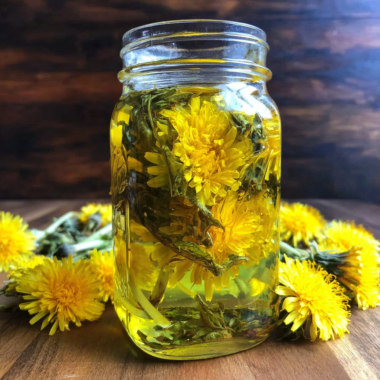
Dandelions might be an uninvited guest in your garden, but they can deliver a surprisingly delightful taste to your culinary creations. This multifaceted plant is often overlooked, yet it boasts a unique bitterness that transforms a simple pesto into a vibrant, gourmet experience.
Making dandelion pesto is not only a great way to utilize these often-maligned greens, but it also packs a nutritional punch, being rich in vitamins A, C, and K. Whether paired with pasta, spread on toast, or drizzled over roasted vegetables, this pesto will elevate your dishes in flavor and health.
Ingredients
- 2 cups young dandelion leaves, washed and chopped
Young dandelion leaves are tender and less bitter than older leaves, providing a fresh herbal flavor. They are nutrient-dense, contributing vitamins and minerals to your meal. - 1 cup fresh basil leaves, packed
Basil adds a familiar, aromatic sweetness that beautifully balances the bitterness of dandelion. It also enhances the overall flavor profile, providing a classic herbaceous note. - 1/2 cup pine nuts, lightly toasted
Pine nuts contribute a creamy texture and nutty flavor that enriches the pesto. Toasting them brings out their natural oils, intensifying their taste and adding depth to the sauce. - 3/4 cup extra-virgin olive oil
Olive oil is essential for blending the ingredients smoothly, while also adding a rich, fruity flavor. It serves as the base for your pesto, binding everything together. - 1/2 cup grated Parmesan cheese
Parmesan provides a savory umami kick that complements the greens, adding both creaminess and depth. This ingredient can be adjusted accordingly for vegan preferences. - 2 cloves garlic, minced
Garlic not only adds flavor but also enhances the aroma and adds a touch of pungency to the pesto. Fresh garlic infuses the pesto with a robust character. - Salt and pepper, to taste
Seasoning is crucial as it brings out the natural flavors of all ingredients. Proper seasoning will enhance the overall enjoyment of your dandelion pesto.
Directions & Preparation
Step 1: Prepare the Dandelion Leaves
Start by thoroughly washing the dandelion leaves to remove any dirt or insects. Young, tender leaves work best; older leaves can be overly bitter. Once washed, roughly chop them to make blending easier. Aim for a fine chop but not so much that they become a paste, as texture still matters in the final dish.
Step 2: Toast the Pine Nuts
Heat a dry skillet over medium heat, and add the pine nuts. Stir frequently for 3-5 minutes, until they are lightly golden and aromatic. This step enhances the flavor of the nuts, making the pesto more complex. Avoid over-toasting, as it can lead to a bitter taste.
Step 3: Combine Ingredients in Food Processor
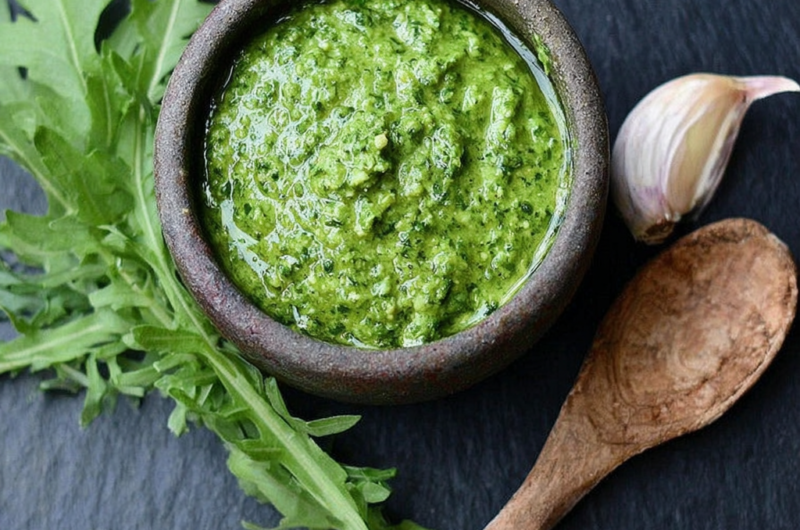
In a food processor, combine dandelion leaves, basil, toasted pine nuts, garlic, and grated Parmesan. Pulse until the mixture is coarsely blended, leaving some small pieces for texture. This fusion creates a well-rounded base that will blend beautifully once olive oil is added.
Step 4: Add Olive Oil Gradually
While the processor runs, slowly drizzle in the olive oil until the pesto reaches a smooth consistency. This step ensures even incorporation of oil, creating an emulsion that binds the pesto together. If too thick, add more olive oil to reach your desired consistency.
Step 5: Season to Taste
Taste your pesto and add salt and pepper as needed. Seasoning is essential as it sharpens the flavors and ensures balance. Start with a small pinch, mix, and taste again before adjusting.
Step 6: Store the Pesto
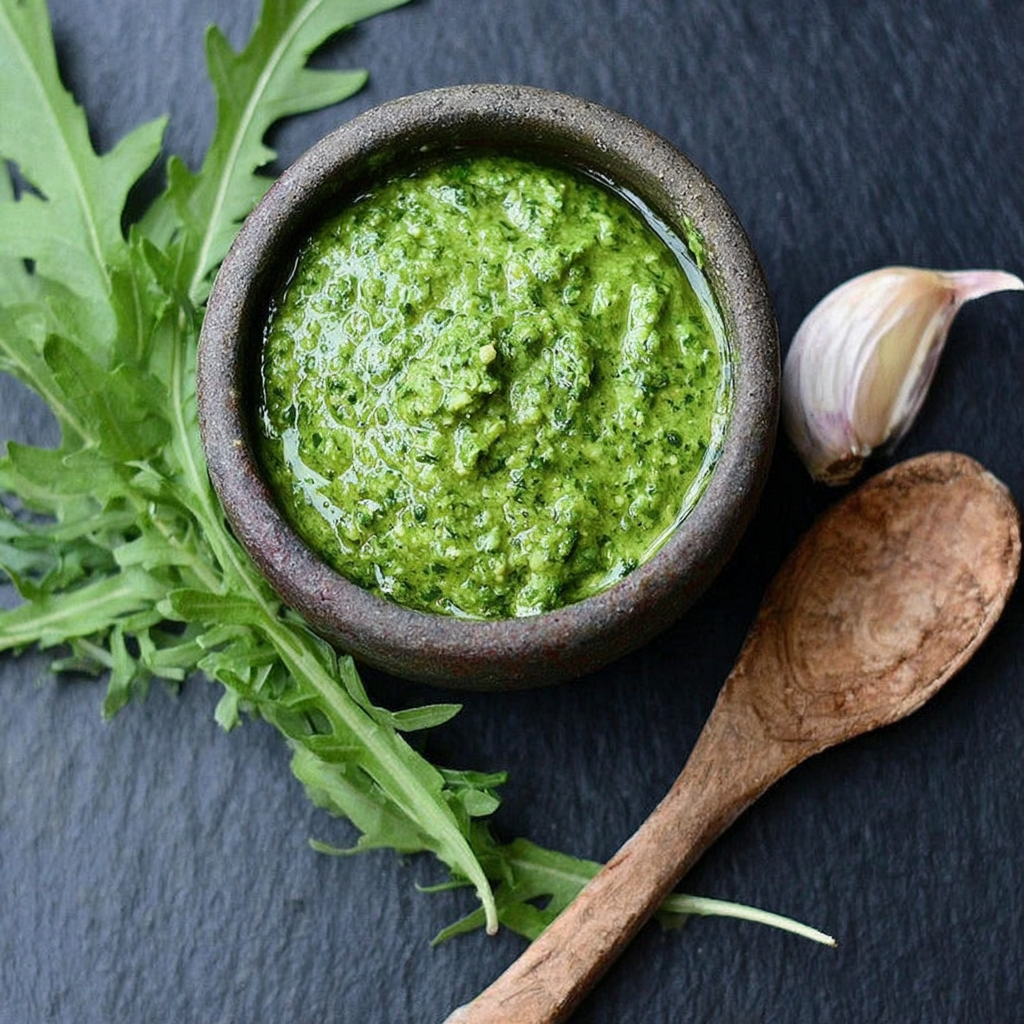
Transfer the pesto to a clean jar. To keep it fresh, drizzle a thin layer of olive oil over the top before sealing. This added oil helps to minimize oxidation and maintain vibrant color. Store in the refrigerator for up to a week.

Crafting the Perfect Pesto Consistency
Achieving a creamy yet textured pesto involves a balance of ingredients. The key lies in the gradual addition of olive oil while processing, allowing the flavors to meld without making the pesto too runny. Aim for a spreadable but thick texture; if your pesto is too thick, simply blend in more olive oil until you reach the desired consistency.
Creative Pairings Beyond Pasta
Dandelion pesto isn’t just for pasta. Its robust flavor suits a variety of dishes, from drizzle over grilled vegetables to a distinctive pizza sauce base. You can also use it as a spread for sandwiches or a dip for whole-grain crackers, enhancing your appetizers with a gourmet twist.
The Health Benefits of Dandelion Greens
Dandelions are packed with nutrients, including vitamins A, C, and K, and they are known for their detoxifying properties. Incorporating dandelion into your meals not only adds flavor but also boosts your intake of antioxidants, making your dishes healthy and nourishing.
FAQs
Why is my dandelion pesto too bitter?
If your pesto is excessively bitter, it’s likely from using older dandelion leaves. Use fresher, younger leaves next time, as they have a milder flavor.
Can I substitute sunflower seeds for pine nuts?
Yes, sunflower seeds make a great substitute for pine nuts. They add a similar creaminess and nutty flavor while being more affordable.
What can I use instead of Parmesan?
For a dairy-free alternative, try nutritional yeast, which provides a similar cheesy flavor and is a common substitute in vegan cooking.
How can I make this pesto less thick?
If your pesto turns out too thick, gradually blend in more olive oil until you’ve reached your desired consistency. A little water can also help to loosen it.
Can I use other greens in place of dandelion?
Certainly! You can experiment with other greens like arugula or kale, but remember that this will significantly change the flavor profile.
What if I don’t have a food processor?
A mortar and pestle can be used for a more traditional approach. Just take your time to achieve a coarse paste, though it may require more effort.
Conclusion
Dandelion pesto is a transformative ingredient that harnesses the bold flavors of your garden and combines them into a delicious sauce. With its unique taste and numerous health benefits, it’s worth adding to your culinary repertoire.
By utilizing dandelions, you also embrace the ethos of reducing food waste and celebrating what nature offers. So next time you’re in the kitchen, consider creating this vibrant, versatile pesto to impress your family and friends.
Recipe Card
Enhance Your Pasta with Dandelion Pesto Delight
Ingredients
Method
- Prepare the Dandelion Leaves
- Toast the Pine Nuts
- Combine Ingredients in Food Processor
- Add Olive Oil Gradually
- Season to Taste
- Store the Pesto
Notes
Additional serving suggestions: pair with a crisp salad, garlic bread, or roasted seasonal vegetables for balance.
For make-ahead, prep components separately and assemble just before heating to preserve texture.
Taste and adjust with acid (lemon/vinegar) and salt right at the end to wake up flavors.