Introduction
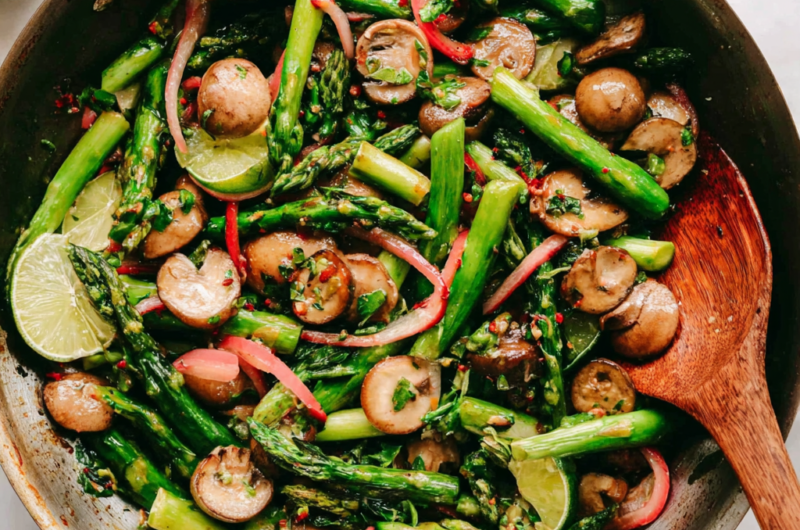
As winter gives way to the vibrant blooms of spring, home cooks find an abundance of fresh vegetables to choose from. Spring vegetable stir fry is a delightful way to celebrate the season's offerings, combining colors, flavors, and textures into a healthful dish that dazzles the palate.
This dish captures the essence of spring with crisp, tender vegetables, seasoned perfectly to enhance their natural profiles. With the right combination of ingredients and techniques, you can create a stir fry that’s not only quick but also deeply satisfying. Let's dive into the world of spring cooking!
Ingredients
- 1 cup snap peas
Snap peas offer a crisp texture and naturally sweet flavor that adds freshness to the dish. They cook quickly and retain a bright green color, enhancing the visual appeal. - 1 cup asparagus, chopped
Asparagus brings earthy depth and a slight crunch. When trimmed and chopped into bite-sized pieces, they cook evenly and add a lovely green hue that heralds spring. - 1 cup bell pepper, sliced
Bell peppers contribute sweetness and vibrant color. Their crisp texture helps create a contrast with softer vegetables, making each bite exciting. - 1 cup zucchini, sliced
Zucchini soaks up the flavors of the stir fry nicely while offering a tender, juicy texture. Its mild taste makes it a versatile addition. - 1 cup carrots, julienned
Carrots add a crunchy bite and a hint of sweetness, along with their bright orange color, which is visually appealing and complements the other vegetables. - 3 cloves garlic, minced
Garlic infuses the dish with rich, aromatic flavors. It’s essential for building a robust base, enhancing the overall taste of the stir fry. - 2 tablespoons soy sauce
Soy sauce introduces umami and saltiness, balancing the sweetness from the vegetables. It also helps in uniting the flavors of the dish. - 1 tablespoon sesame oil
Sesame oil adds a nutty, aromatic quality that elevates the stir fry. It's best to use it sparingly to avoid overpowering other flavors. - Optional: sesame seeds, for garnish
Sprinkling sesame seeds on top finishes the dish with a subtle crunch and enhances its visual appeal.
Directions & Preparation
Step 1: Prepare all vegetables by washing and cutting them as specified.
Prepping vegetables ensures everything cooks evenly and efficiently. Having all your ingredients ready helps maintain the dish's temperature and prevents overcooking, allowing you to enjoy the vibrant textures and flavors of spring.
Step 2: Heat a large skillet or wok over medium-high heat and add sesame oil.
Heating the oil properly is crucial. You want the oil to shimmer but not smoke, as this prevents burning the garlic and allows for even cooking of the vegetables.
Step 3: Add minced garlic to the heated oil and sauté briefly until fragrant.
Sautéing the garlic allows its essential oils to infuse the oil, creating a flavor base. Keep an eye on it to avoid burning, which would impart a bitter taste.
Step 4: Add the carrots to the skillet, stirring frequently for 2-3 minutes.
Carrots take a bit longer to soften, so starting with them ensures they cook through while maintaining their crunch. Stirring prevents them from sticking and allows them to cook evenly.
Step 5: Stir in the asparagus and bell peppers, cooking for another 2-3 minutes.
Adding asparagus and bell peppers at this stage helps maintain their crispness while allowing them to absorb some garlic flavor. Their vibrant colors begin to brighten up the dish.
Step 6: Next, introduce the zucchini and snap peas, stirring until all vegetables are tender-crisp, about 2-3 more minutes.
Zucchini and snap peas give a fresh bite to the stir fry. This is the time to ensure everything remains colorful and has just the right amount of crunch, without becoming mushy.
Step 7: Pour in the soy sauce, tossing everything to coat evenly.
The soy sauce adds the essential umami flavor and marries the ingredients together. Tossing ensures all vegetables receive the seasoning without getting too salty.
Step 8: Remove from heat and let the stir fry sit for a moment before serving.
Allowing the stir fry to rest for a moment off the heat allows flavors to meld while keeping the vegetables vibrant and fresh, making it ideal for immediate serving.
Step 9: Garnish with sesame seeds if desired, then serve warm.
Garnishing with sesame seeds adds a delightful textural contrast and makes the dish visually appealing, inviting everyone to dig in right away.

The Importance of Fresh Ingredients
Using fresh vegetables is paramount in a spring vegetable stir fry. Peak-season produce not only offers superior flavor but also heightened nutritional value. The vibrant colors of fresh ingredients help to create an eye-catching dish that is as wholesome as it is delectable.
Balancing Flavors with Seasoning
The balance of seasonings is crucial for a great stir fry. Beyond the soy sauce, consider adding elements like ginger or a pinch of red pepper flakes to elevate the dish. Achieving a harmonious blend of flavors ensures that each bite is satisfying and vibrant, showcasing the vegetables' natural goodness.
Serving Suggestions for Your Stir Fry
Pairing your spring vegetable stir fry with grains like jasmine rice or quinoa enhances the meal's heartiness. Alternatively, consider serving it with Asian noodles for a comforting twist. The choice of accompaniment can also elevate the dish, allowing for a delightful dining experience.
FAQs
What can I add for more protein in this stir fry?
To increase protein, consider adding tofu, tempeh, or shrimp. These proteins complement the fresh vegetables and maintain the dish's lightness.
Why did my vegetables turn mushy?
Mushy vegetables can result from overcooking. Stir fry should be quick and at high heat to keep vegetables crisp. Aim for tender-crisp texture.
Can I use frozen vegetables instead?
Frozen vegetables can be used, but they may release more moisture, affecting the dish's crisp texture. If using frozen, cook them briefly after thawing.
Is it necessary to cut vegetables uniformly?
Uniform cuts ensure even cooking, so all ingredients reach optimal tenderness at the same time, preventing some from becoming overcooked while others remain hard.
How can I enhance the flavor if it's too bland?
If the stir fry lacks flavor, consider adding more soy sauce, a splash of vinegar, or additional seasonings like ginger. Adjusting flavors at the end can brighten the dish.
What should I do if my stir fry is too thick?
If your stir fry is too thick, a splash of water or broth can help loosen it. Stir well to incorporate the liquid without losing the flavor.
Conclusion
Spring vegetable stir fry is not only quick and easy but also a beautiful way to showcase seasonal produce. With just a few fresh ingredients and a handful of spices, you can create a delicious, colorful dish that exudes the essence of spring.
Perfect for a weeknight dinner or as a side, this stir fry will become a staple in your kitchen. Embrace the freshness of spring and make this vibrant stir fry your own!
Recipe Card
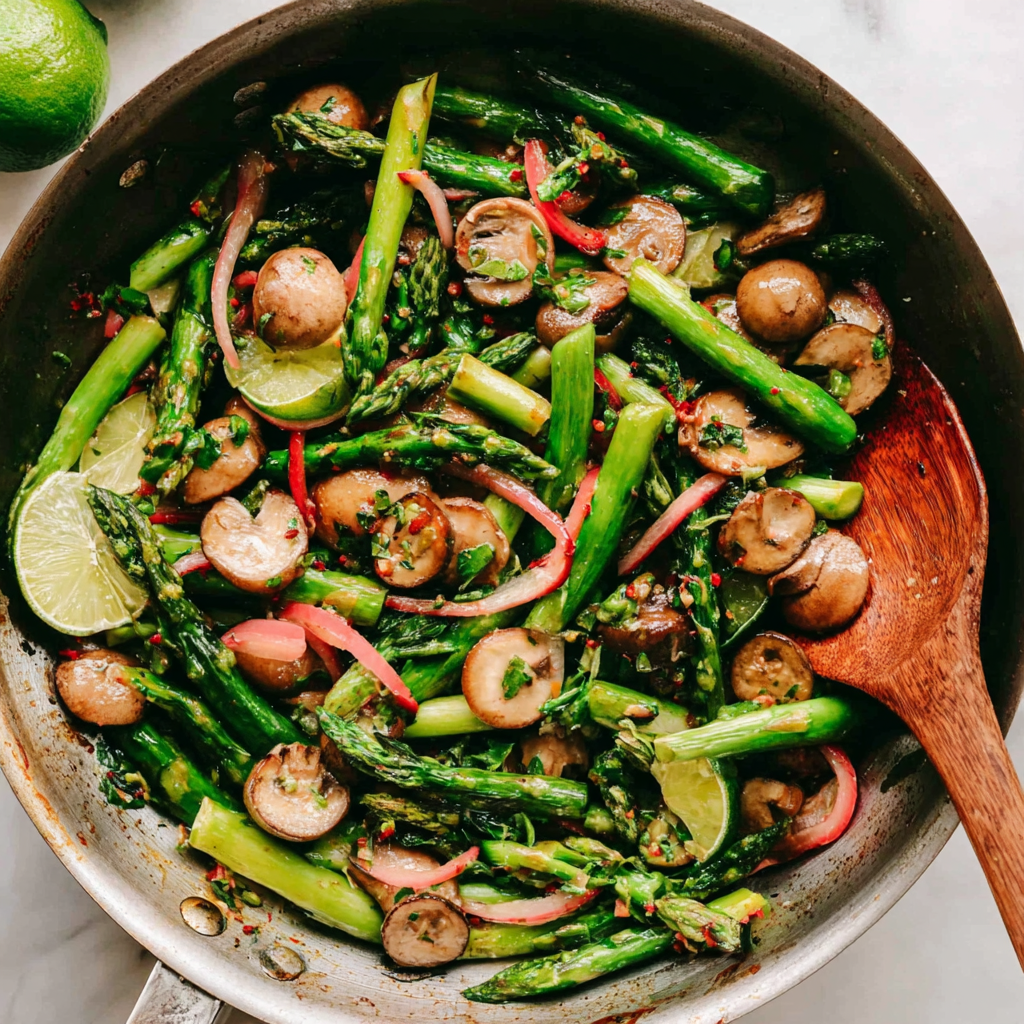
Vibrant Spring Vegetable Stir Fry for Home Cooks
Ingredients
Method
- Prepare all vegetables by washing and cutting them as specified.
- Heat a large skillet or wok over medium-high heat and add sesame oil.
- Add minced garlic to the heated oil and sauté briefly until fragrant.
- Add the carrots to the skillet, stirring frequently for 2-3 minutes.
- Stir in the asparagus and bell peppers, cooking for another 2-3 minutes.
- Next, introduce the zucchini and snap peas, stirring until all vegetables are tender-crisp, about 2-3 more minutes.
- Pour in the soy sauce, tossing everything to coat evenly.
- Remove from heat and let the stir fry sit for a moment before serving.
- Garnish with sesame seeds if desired, then serve warm.
Notes
Additional serving suggestions: pair with a crisp salad, garlic bread, or roasted seasonal vegetables for balance.
For make-ahead, prep components separately and assemble just before heating to preserve texture.
Taste and adjust with acid (lemon/vinegar) and salt right at the end to wake up flavors.