Introduction
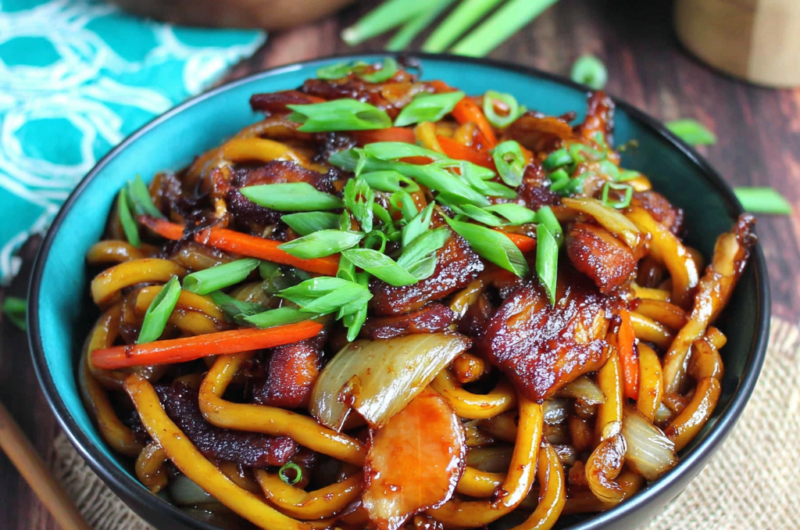
Yaki Udon is a beloved Japanese stir-fried noodle dish that brings together chewy udon noodles, an array of vibrant vegetables, and savory protein options. The balance of flavors makes it a versatile favorite for home cooks looking to spice up their weeknight meals. With its simple yet satisfying preparation, Yaki Udon can easily become a staple in your kitchen.
At its core, this dish allows you to showcase seasonal ingredients and adjust according to your taste preferences. Whether you prefer chicken, beef, shrimp, or a medley of vegetables, Yaki Udon can accommodate your cravings. The key lies in the perfect stir-fry technique to ensure each component is cooked just right and infused with the rich umami of the sauce.
Ingredients
- 400g udon noodles
These thick, chewy noodles add texture and substance to the dish. Udon noodles are the heart of Yaki Udon, providing a hearty base that absorbs the flavors of the sauce. - 200g chicken breast or tofu
Providing lean protein and a satisfying bite, either chicken or tofu can be used depending on dietary preferences. Both options will soak up the savory flavors during cooking. - 1 tablespoon vegetable oil
This oil is essential for stir-frying, helping to prevent sticking and allowing for even cooking. Choose a neutral-flavored oil for best results. - 1 medium onion, sliced
Onions bring sweetness and depth to the dish. They soften during cooking, releasing their flavor and contributing to the overall aroma. - 2 cloves garlic, minced
Garlic offers a fragrant kick that elevates the dish, adding warmth and flavor. Minced garlic integrates better and distributes its essence throughout the noodles. - 1 carrot, julienned
Carrots add not only sweetness and crunch but also color, making your Yaki Udon visually appealing and nutritious. - 1 bell pepper, sliced
Bell peppers introduce a fresh, crisp texture and a slight sweetness, complementing other vegetables while providing vibrant color. - 2 tablespoons soy sauce
Soy sauce is the backbone of flavor in Yaki Udon, providing saltiness and earthiness that binds all the ingredients together. - 1 tablespoon oyster sauce (optional)
Oyster sauce adds richness and a slightly sweet undertone, enhancing the savory profile of the dish. It can be omitted for a vegetarian version. - 2 green onions, chopped (for garnish)
Green onions bring a fresh, slightly pungent flavor that brightens the dish and adds a pop of color. They are best used as a garnish right before serving.
Directions & Preparation
Step 1: Cook the udon noodles according to package instructions.
Properly cooking the udon noodles is crucial as it sets the foundation for the dish. Cook them until just tender, then drain and set aside. This way, they won’t stick together during stir-frying, ensuring a better overall texture when combined with other ingredients.
Step 2: Heat vegetable oil in a large skillet or wok over medium-high heat.
Heating the oil before adding any ingredients is essential for achieving a stir-fried texture. The oil should shimmer and look slightly thin before you start adding proteins or vegetables. This high heat facilitates a quick cooking process that seals in flavors and ensures everything gets a nice caramelized edge.
Step 3: Add sliced chicken or tofu to the skillet, cooking until golden.
Cooking the protein first ensures it’s thoroughly cooked before adding other ingredients, which helps maintain moisture. For chicken, it takes about 5-7 minutes, while tofu should be lightly browned, which adds extra flavor and texture.
Step 4: Once cooked, add the sliced onion and garlic, stirring to combine.
Adding the onion and garlic at this stage ensures they have enough time to soften and release their flavors. This aromatic base sets the stage for the dish, with the garlic infusing a tantalizing scent in the skillet.
Step 5: Incorporate the carrots and bell pepper, cooking for another few minutes.
These vegetables not only enhance the dish's color but also bring freshness and crunch. Stir-frying them for just a few minutes keeps them vibrant while allowing them to slightly soften and absorb flavors from the savory mix.
Step 6: Add the cooked udon noodles to the skillet and toss everything together.
This step is key to achieving a well-mixed dish. Gently tossing the noodles with the vegetables and protein allows for an even distribution of flavors. Be mindful not to over-stir, as you want to retain some texture in the noodles.
Step 7: Drizzle soy sauce and oyster sauce over the mixture, stirring to coat evenly.
The sauces not only add flavor but also moisture. Stirring gently ensures that every noodle and ingredient is well-coated, reinforcing the umami profile while balancing out the sweetness from the vegetables.
Step 8: Cook for an additional two minutes until heated through.
This final cooking phase allows the noodles to absorb the sauce while also ensuring everything is warmed perfectly. It's a great time to adjust seasoning if needed, making sure the dish is flavorful and well-combined.
Step 9: Serve hot, garnished with chopped green onions.
Garnishing with green onions adds a fresh finish to the dish that contrasts beautifully with the warm, savory flavors. Presenting it hot keeps the noodles deliciously chewy and enhances the overall tasting experience.

Choosing the Right Protein for Yaki Udon
When making Yaki Udon, you have a variety of protein options at your disposal. Chicken offers a classic choice with its mild flavor, but for a vegetarian or vegan twist, tofu or tempeh packs a nutritious punch. Consider using shrimp for a seafood variant, which complements the umami sauce beautifully. Each protein can alter the dish's flavor and texture, allowing you to customize your Yaki Udon experience.
The Importance of Fresh Vegetables
In Yaki Udon, the vegetables serve not only to enhance the dish's flavor profile but also to add brightness and nutrition. Fresh vegetables like bell peppers, carrots, and onions provide essential vitamins and minerals while maintaining a crunchy texture. Stir-frying them at high heat retains their vibrant colors and natural flavors, ensuring you enjoy the full benefits of both taste and nutrition.
Mastering the Stir-Fry Technique
The art of stir-frying is what elevates Yaki Udon from a simple noodle dish to a flavorful experience. Using high heat and minimal cooking time allows each ingredient to retain its unique characteristics, creating that perfect balance of tender yet crisp textures. Timing is key: adding ingredients in stages ensures each component is cooked just right, resulting in a deliciously harmonious dish.
FAQs
What if my Yaki Udon turns out too salty?
If your dish becomes overly salty, try adding a splash of water or low-sodium broth to dilute the flavors. This can help balance the saltiness without losing the essence of the dish.
Can I make Yaki Udon with other types of noodles?
While udon noodles are traditional, you can substitute with soba or rice noodles. Adjust cooking times according to the type of noodle used to ensure proper texture.
What should I do if my vegetables become too soft?
To avoid overly soft vegetables, ensure you don't overcrowd the pan and cook on high heat. Stir-frying quickly helps to retain their crunch.
How can I make my Yaki Udon more flavorful?
Experiment with additional sauces like teriyaki or miso in moderation, and consider adding fresh herbs like cilantro or sesame seeds for an extra layer of flavor.
Can I use frozen vegetables in this recipe?
Yes, frozen vegetables can be used, but make sure to thaw and drain them well. They may release more moisture, so you might want to adjust the cooking time accordingly.
What if my sauce doesn’t coat the noodles well?
If the sauce is too thin, add a bit of cornstarch mixed with water to thicken it while cooking. This helps create a glaze that sticks better to the noodles.
Conclusion
Yaki Udon stands out as a delicious and customizable noodle dish that you can adapt to your taste. With its satisfying texture and rich blend of flavors, it can easily transform ordinary nights into something special. Experimenting with ingredients allows for endless possibilities, making it a delightful addition to your culinary repertoire.
Whether you’re serving it for a family dinner or a cozy night in, Yaki Udon is sure to impress. The combination of chewy noodles, crisp vegetables, and savory sauces creates a comforting meal that both satisfies and delights.
Recipe Card

Savoring Yaki Udon: A Flavorful Noodle Experience
Ingredients
Method
- Cook the udon noodles according to package instructions.
- Heat vegetable oil in a large skillet or wok over medium-high heat.
- Add sliced chicken or tofu to the skillet, cooking until golden.
- Once cooked, add the sliced onion and garlic, stirring to combine.
- Incorporate the carrots and bell pepper, cooking for another few minutes.
- Add the cooked udon noodles to the skillet and toss everything together.
- Drizzle soy sauce and oyster sauce over the mixture, stirring to coat evenly.
- Cook for an additional two minutes until heated through.
- Serve hot, garnished with chopped green onions.
Notes
Additional serving suggestions: pair with a crisp salad, garlic bread, or roasted seasonal vegetables for balance.
For make-ahead, prep components separately and assemble just before heating to preserve texture.
Taste and adjust with acid (lemon/vinegar) and salt right at the end to wake up flavors.