Introduction
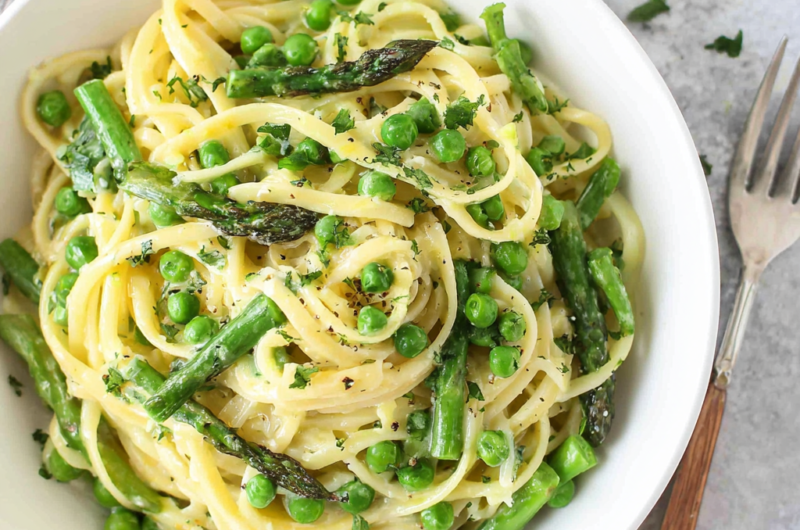
As the weather warms, the vibrant colors and flavors of spring begin to shine, making it a perfect time for fresh, seasonal dishes. One such dish that embodies this spirit is Pea and Asparagus Pasta. This recipe celebrates the bright, sweet taste of peas and the crisp tenderness of asparagus, combining them with pasta for a delightful meal.
The beauty of this dish lies not only in its flavors but also in its simplicity. It can serve as a satisfying main course or a delightful side dish. With a handful of fresh ingredients and minimal prep, you can bring a taste of the season to your dining table, making it an ideal choice for busy weeknight dinners or leisurely weekend meals.
Ingredients
- 200g pasta (fettuccine or penne)
The base of the dish, pasta provides a chewy texture and acts as a canvas for the bright flavors of the peas and asparagus. Choose your favorite type of pasta, keeping in mind that shapes like fettuccine or penne hold sauces and vegetables well. - 150g fresh peas
Fresh peas add a burst of sweetness and a vibrant green color to the dish. They are a high-fiber vegetable packed with vitamins, making them a nutritious addition that balances the starchiness of the pasta. - 150g asparagus, trimmed and cut into 1-inch pieces
Asparagus contributes a delicate crunch and earthy flavor, enhancing the dish's overall harmony. Its natural sweetness complements the peas, creating a balanced flavor profile and a lovely color contrast. - 2 tablespoons olive oil
Used for sautéing, olive oil enriches the dish with its fruity notes, adding depth of flavor while allowing the vegetables to cook perfectly. Opt for high-quality extra virgin olive oil for the best taste. - 2 cloves garlic, minced
Garlic provides aromatic warmth and enhances the overall flavor of the dish. It pairs beautifully with both peas and asparagus, ensuring every bite is fragrant and inviting. - Salt and black pepper, to taste
Essential for seasoning, salt enhances the flavors of all ingredients, while black pepper adds a hint of heat. Adjust to your preference to ensure a well-balanced dish. - 50g freshly grated Parmesan cheese (optional)
Parmesan cheese contributes a rich, savory note that complements the freshness of the vegetables. Its umami flavor enhances the dish and can be omitted for a lighter option.
Directions & Preparation
Step 1: Cook the pasta according to package instructions until al dente.
Cooking the pasta until al dente ensures it retains a slight firmness, preventing it from becoming mushy when combined with the sauce and vegetables. Reserve a cup of pasta cooking water, as this starchy liquid will help emulsify the sauce later.
Step 2: While the pasta cooks, heat olive oil in a large skillet over medium heat.
Heating the olive oil properly is crucial for ensuring the garlic infuses evenly into the dish. A hot pan will also allow the asparagus to cook quickly, keeping its vibrant color and crunch, while adding depth to the flavor.
Step 3: Add minced garlic to the skillet and sauté for about 1 minute until fragrant, then add asparagus and cook for another 2-3 minutes.
Sautéing garlic until fragrant releases its aromatic qualities, creating a flavorful base for the dish. Adding asparagus shortly after helps it maintain its bright green color while becoming perfectly tender yet still slightly crisp.
Step 4: Stir in the fresh peas and season with salt and black pepper; cook for an additional 3-4 minutes.
Fresh peas need only a brief cooking time to retain their sweet flavor and vibrant color. By seasoning at this stage, you'll infuse the vegetables with flavor as they finish cooking, resulting in a well-seasoned dish.
Step 5: Once the pasta is cooked, drain it and add it directly to the skillet, along with a splash of reserved pasta water.
Adding drained pasta directly to the skillet helps to combine the flavors seamlessly. The reserved pasta water is essential for loosening the mixture, creating a nice balance between the pasta and vegetables.
Step 6: Toss everything together over low heat, adding more pasta water if necessary to keep it moist.
Tossing the ingredients ensures they blend together harmoniously, while adding pasta water helps achieve the desired sauce consistency. This step is critical to preventing the dish from becoming dry or clumpy.
Step 7: Finish with freshly grated Parmesan cheese, allowing it to melt and coat the pasta and vegetables.
Grating the Parmesan directly into the warm pasta allows it to melt evenly, enriching the dish with a creamy texture. If you choose to omit the cheese, consider adding a squeeze of lemon juice for brightness instead.
Step 8: Serve warm, garnished with additional cheese and black pepper, if desired.
Serving the dish warm enhances the flavors and ensures the cheese retains its creamy texture. A final sprinkle of freshly cracked black pepper adds a touch of sophistication and elevates the dish visually.

Why Fresh Ingredients Matter in Pea and Asparagus Pasta
Using fresh peas and asparagus elevates the dish significantly, enhancing not just flavor, but also nutritional value. Fresh produce retains more nutrients compared to frozen or canned, and its vibrant colors make the dish more visually appealing. The essence of spring shines through when you select seasonal ingredients, which provide the best taste, texture, and health benefits.
Evolving Flavors: Herb Variations to Consider
Incorporating fresh herbs can transform the already delightful Pea and Asparagus Pasta into a fragrant masterpiece. Consider adding basil or mint for a refreshing twist. Not only do herbs contribute additional flavor layers, but they also brighten the dish visually. A sprinkle of chopped parsley or chervil before serving can enhance both taste and presentation.
Pairing Suggestions for a Complete Meal
To complement the fresh flavors of Pea and Asparagus Pasta, consider serving it alongside grilled chicken or fish for a heartier meal. Alternatively, a crisp green salad dressed with lemon vinaigrette not only enhances the meal's lightness but also provides a crunchy contrast. These accompaniments allow the pasta to shine while rounding out your dining experience.
FAQs
What can I add for extra protein in this dish?
Grilled chicken, shrimp, or chickpeas can be added for extra protein, making the dish more filling while keeping the flavors balanced.
How can I make this pasta creamier without cheese?
To achieve a creamier texture, incorporate a splash of cream or a dollop of ricotta cheese, which will enrich the dish without overpowering the fresh flavors.
What if my pasta sauce turns out too thick?
If your sauce is too thick, simply add more reserved pasta water, a little at a time, until you reach the desired consistency without losing flavor.
Is there a way to make this dish more savory?
For a heartier, umami flavor, consider adding sautéed mushrooms or sun-dried tomatoes, which will deepen the overall taste and complement the fresh ingredients.
Can I use frozen peas instead of fresh?
Yes, frozen peas work well for this recipe; just add them directly to the skillet during the final stages of cooking, as they thaw quickly.
How do I ensure the asparagus stays crisp?
To keep asparagus crisp, avoid overcooking it. Cook just until tender yet still vibrant in color, and add it after the garlic is sautéed.
What herbs can I substitute if I don't have fresh ones?
Dried herbs can be used in a pinch, but reduce the quantity since dried herbs are more concentrated. Fresh herbs add more vivid flavor and aroma.
What's the best way to reheat leftovers without drying them out?
To reheat, gently warm the pasta in a pan with a splash of water or olive oil to restore moisture and prevent it from becoming dry.
Conclusion
Pea and Asparagus Pasta is more than just a simple dish; it encapsulates the joy of spring in every vibrant bite. With minimal ingredients and straightforward preparation, it invites home cooks of all levels to embrace seasonal cooking.
Whether enjoyed as a comforting weeknight meal or dressed up for a special occasion, this pasta can easily become a favorite in your culinary repertoire. So gather your fresh ingredients and savor the delightful harmony of flavors that this dish offers.
Recipe Card
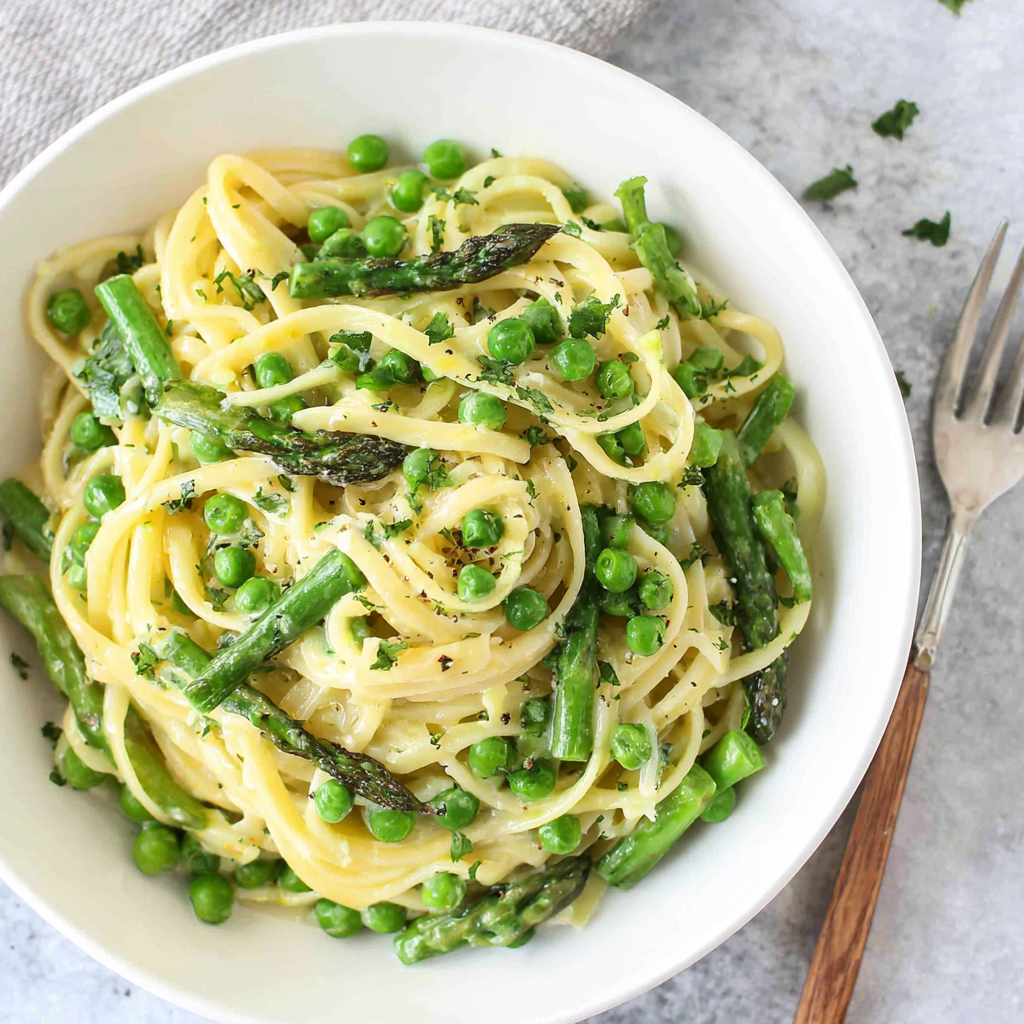
Fresh Pea and Asparagus Pasta for Spring Days
Ingredients
Method
- Cook the pasta according to package instructions until al dente.
- While the pasta cooks, heat olive oil in a large skillet over medium heat.
- Add minced garlic to the skillet and sauté for about 1 minute until fragrant, then add asparagus and cook for another 2-3 minutes.
- Stir in the fresh peas and season with salt and black pepper; cook for an additional 3-4 minutes.
- Once the pasta is cooked, drain it and add it directly to the skillet, along with a splash of reserved pasta water.
- Toss everything together over low heat, adding more pasta water if necessary to keep it moist.
- Finish with freshly grated Parmesan cheese, allowing it to melt and coat the pasta and vegetables.
- Serve warm, garnished with additional cheese and black pepper, if desired.
Notes
Additional serving suggestions: pair with a crisp salad, garlic bread, or roasted seasonal vegetables for balance.
For make-ahead, prep components separately and assemble just before heating to preserve texture.
Taste and adjust with acid (lemon/vinegar) and salt right at the end to wake up flavors.