Introduction
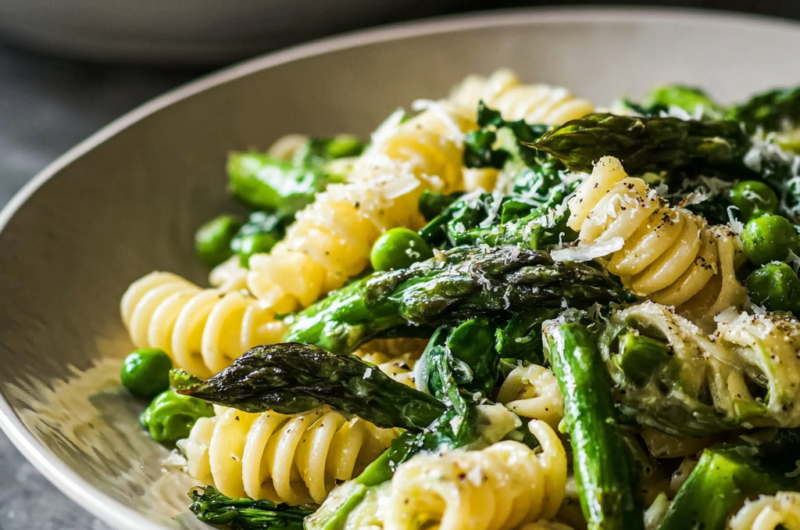
As the seasons shift and fresh produce begins to rise from the earth, there’s no better time to indulge in a creamy spring vegetable pasta dish. This recipe celebrates the vibrant flavors of spring vegetables, all enveloped in a rich and luxurious sauce that complements the al dente pasta beautifully.
Spring brings an abundance of delightful ingredients such as asparagus, peas, and fresh herbs. By harnessing their natural flavors and vibrant colors, this dish not only satisfies the palate but also brings a slice of the season onto your plate. It’s perfect for both weeknight dinners and special occasions alike.
Ingredients
- 12 oz fettuccine or tagliatelle
These types of pasta have a flat and wide shape that holds onto creamy sauces exceptionally well. They provide a comforting base for the dish, delivering a satisfying bite. - 1 cup asparagus, cut into 1-inch pieces
Asparagus is a quintessential spring vegetable, offering a fresh, earthy flavor and crisp texture. When sautéed, they add a nice bite to the creaminess of the sauce. - 1 cup fresh or frozen peas
Peas are sweet and tender, bringing a burst of color and flavor to the dish. They are also a great source of protein, making this pasta more nutritious. - 1 cup cherry tomatoes, halved
Cherry tomatoes add a juicy sweetness and a pop of acidity that balances the richness of the creamy sauce. They also enhance the colorful presentation. - 2 cloves garlic, minced
Garlic provides aromatic depth and flavor, enhancing all the other ingredients in the dish. Sautéing it releases its oils, creating a scented base for the sauce. - 1 cup heavy cream
Heavy cream is the key to creating a luscious and rich sauce that clings to the pasta and vegetables. It provides a silky texture and a creamy mouthfeel. - 1/2 cup grated Parmesan cheese
Parmesan adds a nutty and salty flavor, enriching the sauce. It also helps thicken the sauce, making it even creamier. - 1 tablespoon olive oil
Olive oil is used to sauté the vegetables and garlic, adding a subtle flavor. It also helps in preventing sticking during cooking. - Salt and pepper, to taste
These staples enhance the overall flavor of the dish. Adjusting them at the end will help balance the richness of the sauce. - Fresh basil or parsley for garnish
Fresh herbs not only add a burst of color but also contribute a fragrant aroma and bright flavor, refreshing the palate amid the creaminess.
Directions & Preparation
Step 1: Cook the pasta according to package instructions until al dente.
Cooking pasta properly is crucial for the dish's texture. Al dente pasta retains a firm bite, helping it hold up against the rich creamy sauce. Be sure to reserve a cup of pasta water before draining to adjust your sauce consistency later.
Step 2: In a large skillet, heat olive oil over medium heat; add garlic and sauté for 1-2 minutes until fragrant.
Heating the olive oil properly before adding the garlic allows it to infuse its flavor into the oil, which will then distribute throughout the dish. Keep an eye on the garlic to prevent burning, as it can turn bitter quickly.
Step 3: Add asparagus and cook for 3-5 minutes until tender-crisp.
Asparagus should remain vibrant and slightly crisp to offer a contrast to the creamy sauce. This step preserves its bright green color and fresh flavor. Stir occasionally for even cooking.
Step 4: Stir in the peas and cherry tomatoes; cook for an additional 2-3 minutes until heated through.
Adding the peas and tomatoes at this stage allows them to retain their distinct textures and colors. The warmth from the skillet will enhance their natural sweetness, creating a delightful mix of flavors.
Step 5: Pour in the heavy cream and cheese, mixing until combined; then season with salt and pepper.
This step creates the creamy base that envelops the vegetables and pasta. Continuously stirring helps melt the cheese evenly, resulting in a smooth consistency. Taste before adjusting the seasoning to find the perfect balance.
Step 6: Add the drained pasta to the skillet; toss to combine, adding reserved pasta water as needed to achieve desired consistency.
Combining the pasta with the sauce allows the flavors to meld together. The reserved pasta water is starchy and will help to unify the dish, ensuring the sauce adheres beautifully to the pasta.
Step 7: Serve immediately, garnished with fresh herbs.
Serving the pasta immediately ensures it maintains its creamy texture and the freshness of the vegetables isn’t lost. The herbs will elevate the dish's flavor profile and presentation, making it more inviting.

Celebrating Seasonal Produce
Spring is a beautiful time to embrace seasonal ingredients in your cooking. This pasta dish utilizes the freshest vegetables available, allowing their natural flavors to shine. The combination of asparagus, peas, and tomatoes not only brings color but also a variety of textures, making each bite an enjoyable experience. Using seasonal produce enhances flavor and encourages sustainable cooking practices.
Techniques for a Creamy Sauce
Creating a creamy sauce can sometimes be challenging, but with the right techniques, it's a breeze. The combination of heavy cream and grated Parmesan creates an emulsion that thickens beautifully when heated. Remember to add the cheese gradually, ensuring it melts completely before incorporating the pasta. This technique results in a luscious sauce that perfectly coats the pasta and vegetables.
Herbs to Brighten Your Dish
Fresh herbs play a crucial role in brightening flavors and adding complexity to a dish. For this creamy spring vegetable pasta, basil and parsley are excellent choices. They introduce a fresh aroma and a hint of bitterness that counters the richness of the cream, creating a well-rounded and flavorful dish. Don't be afraid to experiment with other herbs you might have on hand!
FAQs
What if my sauce is too thick?
If the sauce turns out too thick, gradually add more reserved pasta water until you achieve your desired consistency. The starchy water will help loosen the sauce while enhancing the flavor.
How can I make the flavor more vibrant?
To enhance the flavor, consider adding a splash of lemon juice or zest, which can brighten the dish and cut through the cream's richness. A dash of red pepper flakes can also add warmth.
Can I add different vegetables?
Absolutely! Feel free to mix in other spring vegetables like zucchini, bell peppers, or radishes. Just ensure they are prepped properly to cook evenly with the other ingredients.
How do I prevent the pasta from sticking together?
To prevent sticking, stir the pasta occasionally while it cooks and ensure it’s well-coated with sauce after mixing. A drizzle of olive oil before serving can also help.
What’s the best way to reheat leftovers?
Reheat your creamy pasta gently on the stove over low heat, adding a splash of milk or cream to restore its texture and prevent it from becoming too thick.
Can I use low-fat dairy options?
Using low-fat dairy options can help reduce calories, but it might result in a thinner sauce. To maintain creaminess, consider a thick Greek yogurt or a blend of dairy options.
Conclusion
Creamy spring vegetable pasta is a dish that exemplifies the beauty of seasonal cooking. The combination of fresh vegetables and creamy textures provides a comforting yet elegant meal suitable for any occasion.
With its rich flavors and vibrant colors, this pasta dish is sure to become a favorite in your household. Embrace the freshness of spring and enjoy every bite of this delicious, wholesome meal.
Recipe Card
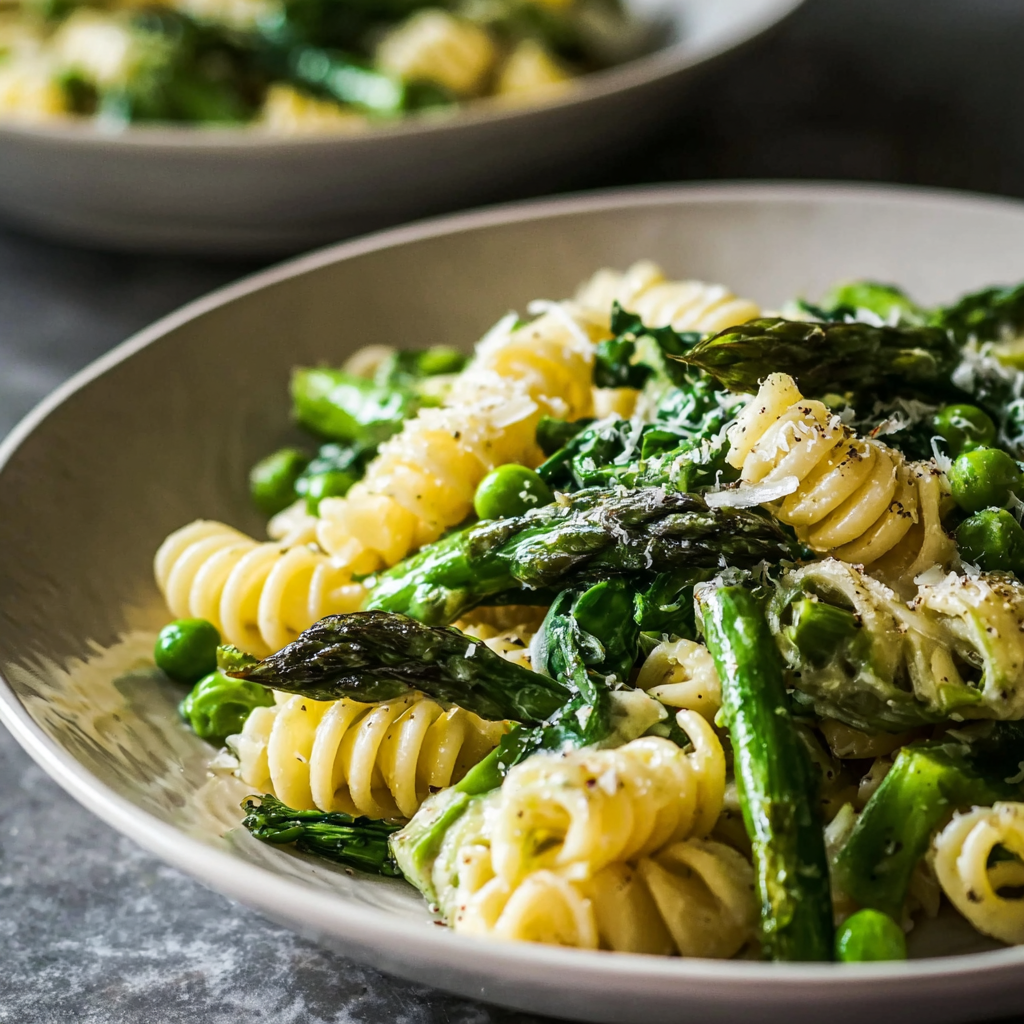
Creamy Spring Vegetable Pasta for Fresh Flavors
Ingredients
Method
- Cook the pasta according to package instructions until al dente.
- In a large skillet, heat olive oil over medium heat; add garlic and sauté for 1-2 minutes until fragrant.
- Add asparagus and cook for 3-5 minutes until tender-crisp.
- Stir in the peas and cherry tomatoes; cook for an additional 2-3 minutes until heated through.
- Pour in the heavy cream and cheese, mixing until combined; then season with salt and pepper.
- Add the drained pasta to the skillet; toss to combine, adding reserved pasta water as needed to achieve desired consistency.
- Serve immediately, garnished with fresh herbs.
Notes
Additional serving suggestions: pair with a crisp salad, garlic bread, or roasted seasonal vegetables for balance.
For make-ahead, prep components separately and assemble just before heating to preserve texture.
Taste and adjust with acid (lemon/vinegar) and salt right at the end to wake up flavors.


