Introduction
Dandelion mead, often overlooked, is a unique beverage that marries the natural sweetness of honey with the earthy taste of dandelions. This traditional drink captures the essence of spring, allowing home cooks to transform this often-dismissed flower into a delightful concoction. Beyond its intriguing flavor, dandelion mead also brings with it a connection to foraging and utilizing what nature provides.
For those yearning to venture beyond typical home brewing, dandelion mead offers an approachable yet rewarding project. It celebrates simplicity and encourages you to embrace the beauty of wild ingredients found in your backyard. Let’s dive into the intricacies of crafting this delicate beverage and unlock the secrets of fermentation.
Ingredients
- 4 cups dandelion blossoms
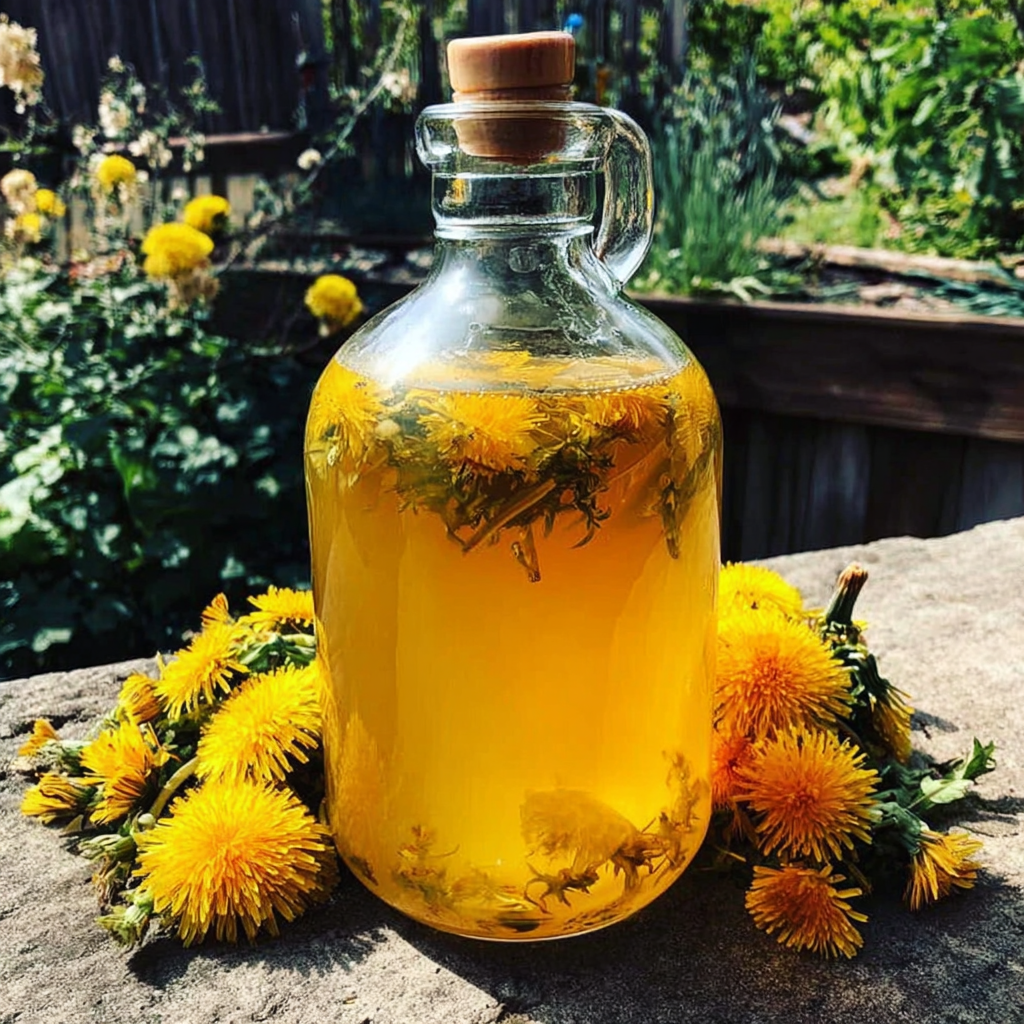
The bright yellow dandelion flowers provide the signature floral notes essential to the mead's taste. Their natural sugars and unique flavor profile infuse the mead with an earthy sweetness, elevating the drink's complexity. - 1 gallon water
Water acts as the base for your mead; it must be pure to avoid any off-flavors. The quality of water can significantly impact the final product, so filtered or spring water is recommended for optimal results. - 2 cups honey
Honey serves as the primary fermentable sugar in mead, imparting sweetness and depth. Each type of honey can contribute distinct flavor nuances, making your mead uniquely yours. - 1/4 teaspoon yeast nutrient
Yeast nutrient ensures the fermentation process proceeds smoothly. It provides the necessary minerals for yeast viability and health, supporting a successful fermentation. - 1 packet mead yeast (or champagne yeast)
The yeast is responsible for converting sugars into alcohol, imparting complexity to the mead. A strong yeast strain is crucial for ensuring complete fermentation and achieving the desired alcohol content.
Directions & Preparation
Step 1: Harvest the dandelion blossoms on a sunny day.
Choosing dandelions in sunny, dry weather maximizes the flowers' fragrance and flavor. Harvest blossoms that are vibrant and free from brown spots, as wilting can affect the overall quality of your mead. Aim to gather the flowers early in the day for optimal freshness.
Step 2: Boil the water and dissolve the honey.
Boiling water allows it to reach the necessary temperature for dissolving honey effectively. This process helps create a uniform mixture and ensures that any microorganisms that may hinder fermentation are killed off. Allow the honey-water mixture to cool slightly before adding the other ingredients.
Step 3: Add the dandelion blossoms to the cooled honey-water mixture.
Incorporating the dandelion flowers at this stage is pivotal; steeping them in the sweetened water extracts their flavors and oils, enriching the mead with floral notes. Stir gently but thoroughly to ensure all blossoms are submerged for even infusion.
Step 4: Stir in the yeast nutrient and yeast.
Introducing yeast and nutrient enables the fermentation process to begin. Stir well to distribute the yeast evenly throughout the mixture. This step sets the foundation for successful fermentation, promoting yeast health and vigor.
Step 5: Cover the mixture and let it steep for 24 to 48 hours.
Covering the mixture with a clean cloth allows the blend to breathe while preventing contaminants from entering. This resting period is crucial for flavors to develop and for the yeast to begin activating. Keep an eye on it during this time, noting any bubbling activity.
Step 6: Transfer the mixture to a fermentation vessel.
Once steeped, transferring the mead to a fermentation vessel is critical for ongoing fermentation. Ensure the vessel is sanitized to avoid unwanted bacteria. A carboy or glass jar with a tight-fitting airlock is ideal for this transition.
Step 7: Allow the mead to ferment for 4-6 weeks.
Patience is vital in the fermentation phase. During this time, the yeast consumes the sugars, releasing carbon dioxide and alcohol. Regularly check airlock activity to confirm that fermentation is ongoing. Taste a small sample after four weeks to evaluate sweetness and flavor development.
Step 8: Bottle the mead and let it age for 3 months.
Bottling the mead allows it to develop more complex flavors during the aging process. Use clean, sanitized bottles and corks. Store them upright in a dark, cool place, making sure to taste periodically for your desired maturity.

Exploring Flavor: The Importance of Blossom Selection
Choosing the right dandelion blossoms is essential for crafting quality mead. The flavor can differ greatly depending on the time of harvest and environmental conditions. Opt for freshly opened flowers and avoid those that have turned brown or are covered with dirt; this ensures a cleaner taste. The floral aroma and taste of the blossoms contribute significantly to the overall character of the mead.
The Art of Fermentation: Watching Your Mead Develop
Fermentation is an intricate dance between environment and ingredients, which can shape your mead's final profile. Maintaining the right temperature and providing adequate ventilation are key during this process. As fermentation proceeds, you may notice bubbling, indicating yeast activity and the production of alcohol. Each batch might yield different results, as no two fermentations are exactly alike.
Aging to Perfection: Why Time Matters in Mead Making
The aging period is where the magic happens in dandelion mead. As the mead matures, the flavors mellow and harmonize, often resulting in a smoother and more balanced beverage. This stage can take several months, and experimenting with different aging times can yield diverse flavor profiles. Patience will reward your efforts with a refined and complex drink.
FAQs
Can I use other flowers for variation in the mead?
Yes, other edible flowers such as elderflower or hibiscus can be substituted or blended with dandelions for varied flavors.
What if the mead is too sweet after fermentation?
If the mead is overly sweet, you may want to consider retriggering fermentation by adding more yeast or honey to dry it out further.
How can I make smaller batches of dandelion mead?
To scale down the recipe, simply divide each ingredient by the desired batch size, ensuring appropriate ratios are maintained for flavor and fermentation.
What indicates my mead is fermenting properly?
Signs of successful fermentation include bubbling in the airlock and visual changes in the liquid, such as sediment forming at the bottom.
Should I adjust honey types for different flavor profiles?
Absolutely! Different honey varieties, such as clover or wildflower, lend distinct flavors to your mead, enhancing the overall experience.
What should I do if the mead tastes bland after aging?
If the mead lacks flavor, consider blending with fruit purees, herbs, or spices to enrich its taste and complexity.
Conclusion
Crafting dandelion mead is more than just a brewing process; it’s an exploration of taste, nature, and patience. By utilizing this common flower, you tap into a tradition that connects you with the earth and the essence of seasonal foraging.
Whether enjoyed on its own or as a base for cocktails, your homemade mead brings a delightful and refreshing complexity to any occasion. Embrace the adventure, and happy brewing!
Recipe Card
Crafting Dandelion Mead: A Floral Adventure in Fermentation
Ingredients
Method
- Harvest the dandelion blossoms on a sunny day.
- Boil the water and dissolve the honey.
- Add the dandelion blossoms to the cooled honey-water mixture.
- Stir in the yeast nutrient and yeast.
- Cover the mixture and let it steep for 24 to 48 hours.
- Transfer the mixture to a fermentation vessel.
- Allow the mead to ferment for 4-6 weeks.
- Bottle the mead and let it age for 3 months.
Notes
Additional serving suggestions: pair with a crisp salad, garlic bread, or roasted seasonal vegetables for balance.
For make-ahead, prep components separately and assemble just before heating to preserve texture.
Taste and adjust with acid (lemon/vinegar) and salt right at the end to wake up flavors.