Introduction
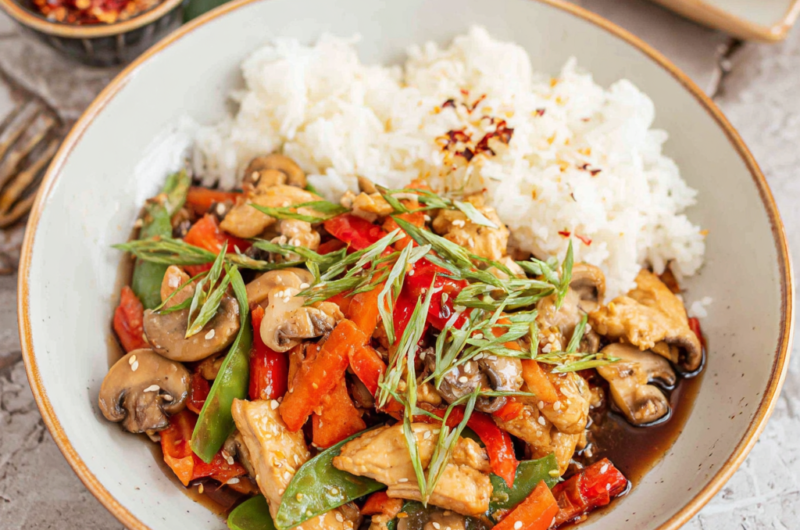
Moo Goo Gai Pan is a classic Chinese-American dish that tantalizes the palate with its vibrant colors and wholesome ingredients. This stir-fry showcases tender chicken and a medley of crisp vegetables, providing a delightful crunch in every bite. The dish’s name translates to 'mushroom and sliced chicken,' but its true charm lies in the harmony of flavors and textures that come together beautifully in your kitchen.
Originating from Cantonese cuisine, Moo Goo Gai Pan is beloved for its light yet satisfying profile, making it a popular choice in Chinese restaurants across the globe. The combination of fresh mushrooms, tender chicken, and a zesty sauce results in a meal that’s not only appetizing but also visually appealing. Whether enjoyed over rice or alone, this dish is sure to please everyone at the table.
As you embark on creating this dish, you’ll discover that it’s a wonderful opportunity to explore your culinary skills while incorporating seasonal vegetables and your preferred proteins. With just a few ingredients and some simple techniques, you can elevate your weeknight dinner with this delightful stir-fry.
Ingredients
- 1 pound boneless, skinless chicken breast, sliced
The chicken breast serves as the primary protein in this dish, providing a mild flavor that complements the other ingredients. When sliced thinly, it cooks quickly and remains tender, ensuring each bite is juicy and satisfying. - 8 ounces shiitake or button mushrooms, sliced
Mushrooms add earthiness and depth to the dish. Shiitake mushrooms, in particular, introduce a rich umami flavor, while their texture contrasts beautifully with the chicken and vegetables, keeping the stir-fry interesting. - 1 bell pepper, sliced
Bell peppers contribute a sweet crunch and vibrant color that enhances the visual appeal of Moo Goo Gai Pan. They also provide vitamins A and C, bringing a healthful component to this flavorful dish. - 2 cups snow peas, trimmed
Snow peas are a great addition to stir-fries for their crispness and subtly sweet flavor. They cook quickly and retain their bright green color, adding freshness and nutritional benefits. - 1 cup broccoli florets
Broccoli not only adds a vibrant green shade but also a nutritional punch. Its slightly bitter taste balances well with the dish’s flavors, while its crunchy texture holds up nicely under heat. - 3 cloves garlic, minced
Garlic is essential for adding aromatic depth to the dish. When sautéed, it releases a rich, savory aroma that enhances the overall flavor. - 1 tablespoon ginger, minced
Ginger provides a warm, spicy note that complements the chicken and vegetables. Its freshness helps brighten the dish and adds complexity to the flavors. - 2 tablespoons soy sauce
Soy sauce serves as the fundamental seasoning that imparts a savory, salty flavor. It also helps to deepen the color of the dish, making it more visually appealing. - 1 tablespoon oyster sauce
Oyster sauce adds sweetness and richness, enhancing the umami aspect of the stir-fry. Its thick consistency helps to glaze the chicken and vegetables, resulting in a luscious mouthfeel. - 1 tablespoon cornstarch, mixed with 2 tablespoons water
This cornstarch slurry acts as a thickening agent, creating a velvety sauce that clings to the chicken and vegetables. It ensures the stir-fry isn't too watery and enhances the overall texture. - 2 tablespoons vegetable oil for cooking
Using vegetable oil for stir-frying helps to reach high temperatures quickly, ensuring that the chicken cooks fast while remaining tender. It also prevents sticking to the pan.
Directions & Preparation
Step 1: Prepare the ingredients: slice chicken, vegetables, and mince garlic and ginger.
Organizing your ingredients before cooking is crucial in stir-frying to maintain a smooth cooking process. Having everything prepped allows for quick assembly and ensures that different components cook evenly and don't overheat.
Step 2: Heat vegetable oil in a large skillet or wok over medium-high heat.
Warming the oil first allows it to reach the ideal temperature for stir-frying, which is crucial for achieving that signature char and quick cooking. A hot pan will help seal in the moisture of the chicken, resulting in a juicy texture.
Step 3: Add the sliced chicken breast to the pan, cooking until browned and cooked through, about 5-7 minutes.
Cooking the chicken first ensures it becomes tender and flavorful. Stirring occasionally allows for even cooking and promotes a nice browning, which enhances the flavor profile through caramelization.
Step 4: Stir in the garlic and ginger, cooking for an additional minute until fragrant.
Adding garlic and ginger at this stage infuses the oil with their aromatic qualities. A brief sauté ensures their flavors are released without burning, which can make them bitter.
Step 5: Toss in the mushrooms, bell pepper, broccoli, and snow peas; stir-fry for 3-4 minutes.
Incorporating the vegetables at this stage allows them to retain their crunch while absorbing the delicious flavors from the garlic and ginger. Quick cooking preserves their nutrients and bright colors.
Step 6: Add the soy sauce and oyster sauce, stirring to coat the mixture evenly.
This step is vital for flavor development; the sauces enhance the natural umami of the ingredients. Stirring helps all components absorb the savory notes, creating a cohesive taste.
Step 7: Pour in the cornstarch slurry, continuing to stir until the sauce thickens, about 1-2 minutes.
Adding the cornstarch slurry thickens the sauce, giving it that desirable clingability to the chicken and vegetables. This texture makes each bite more satisfying, ensuring the flavors combine well.
Step 8: Taste and adjust seasoning if necessary, then remove from heat.
Tasting at this stage allows for necessary adjustments in flavor. Perhaps a little more soy sauce or seasoning is required to elevate the dish to your desired flavor palate.
Step 9: Serve immediately over rice or enjoy on its own, garnished with sesame seeds or scallions if desired.
Serving the dish promptly ensures that it remains warm and retains the crisp texture of the vegetables. Garnishing with sesame seeds or scallions enhances the visual appeal while adding a little extra crunch.

The Essential Role of Fresh Ingredients
Moo Goo Gai Pan shines due to its reliance on fresh, quality ingredients. The crisp vegetables and tender chicken create a beautiful balance of textures and flavors, elevating the dish from ordinary to extraordinary. Using seasonal vegetables can enhance both the flavor profile and nutritional value, making it a versatile recipe suitable for any occasion.
Exploring Variations and Substitutions
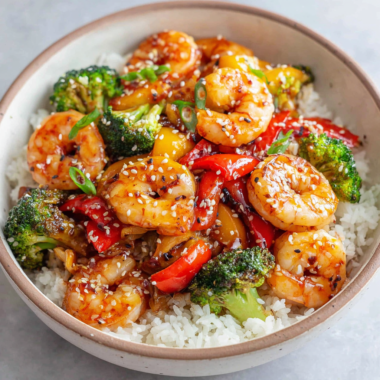
While the classic version includes chicken and mushrooms, Moo Goo Gai Pan is incredibly adaptable. You can swap chicken for shrimp or tofu for a vegetarian alternative while still maintaining a flavorful outcome. Additionally, varying your choice of vegetables, such as incorporating bok choy or carrots, can bring new dimensions to the dish and cater to personal preferences.
Creating the Perfect Sauce
A well-balanced sauce is essential for a successful Moo Goo Gai Pan. The combination of soy sauce and oyster sauce delivers depth and umami, but you can enhance it further with a hint of sesame oil or a dash of chili paste for heat. Finding the right consistency with the cornstarch slurry ensures that the sauce adheres perfectly to the ingredients, making each bite decadent and satisfying.
FAQs
What if my Moo Goo Gai Pan turns out too thick?
If your sauce is too thick, simply add a little water or chicken broth gradually, stirring until you achieve the desired consistency without compromising the flavor.
Can I make Moo Goo Gai Pan with other proteins?
Absolutely! Feel free to substitute chicken with shrimp, beef, or even tofu for a vegetarian option; just adjust cooking times according to the protein used.
What if my vegetables become overcooked and mushy?
To prevent overcooking, ensure you have all ingredients prepped and keep the stir-frying time short. Cooking on high heat quickly seals in moisture, preserving the vegetables' crispness.
How can I boost the flavors in my Moo Goo Gai Pan?
Consider marinating the chicken briefly in soy sauce, ginger, and garlic before cooking. This enhances the flavor base from the start.
What should I do if the dish ends up bland?
If the dish lacks flavor, try adding a bit more soy sauce, or some salt and pepper to taste. Adding a splash of rice vinegar or sesame oil can also elevate the dish.
What additional vegetables can I include?
You can add vegetables like bok choy, zucchini, or carrots to increase variety and flavor. Just ensure they are sliced evenly for uniform cooking.
Conclusion
Moo Goo Gai Pan offers a wonderful opportunity to engage with fresh ingredients and enhance your cooking skills. It’s a delightful dish that balances health and taste, making it a perfect choice for busy weeknights or special gatherings.
Whether you stick to the classic recipe or venture with your variations, this comforting stir-fry is bound to become a staple in your culinary repertoire. Enjoy the process and the delicious results that follow.
Recipe Card

A Flavorful Journey with Moo Goo Gai Pan
Ingredients
Method
- Prepare the ingredients: slice chicken, vegetables, and mince garlic and ginger.
- Heat vegetable oil in a large skillet or wok over medium-high heat.
- Add the sliced chicken breast to the pan, cooking until browned and cooked through, about 5-7 minutes.
- Stir in the garlic and ginger, cooking for an additional minute until fragrant.
- Toss in the mushrooms, bell pepper, broccoli, and snow peas; stir-fry for 3-4 minutes.
- Add the soy sauce and oyster sauce, stirring to coat the mixture evenly.
- Pour in the cornstarch slurry, continuing to stir until the sauce thickens, about 1-2 minutes.
- Taste and adjust seasoning if necessary, then remove from heat.
- Serve immediately over rice or enjoy on its own, garnished with sesame seeds or scallions if desired.
Notes
Additional serving suggestions: pair with a crisp salad, garlic bread, or roasted seasonal vegetables for balance.
For make-ahead, prep components separately and assemble just before heating to preserve texture.
Taste and adjust with acid (lemon/vinegar) and salt right at the end to wake up flavors.