Introduction
A Full Irish Breakfast is more than just a meal; it's a celebration of hearty, traditional Irish fare that fuels the day ahead. Each element in this breakfast plays a role, not just in flavor but also in creating a sense of comfort and satisfaction at the start of your morning.
Popular across Ireland, it's common to find variations depending on personal preferences and regional influences. This breakfast typically features a tempting mix of fried and grilled items, promising a delightful fusion of textures and flavors.
Whether you're enjoying it on a leisurely weekend or boasting a skill to impress friends at brunch, a Full Irish Breakfast can be tailored to serve your taste while maintaining its essential character. Let's dive into the ingredients and steps to recreate this beloved classic.
Ingredients
- 4 rashers of bacon
Bacon provides a smoky richness and salty crunch that forms the backbone of the dish. Using good-quality streaky bacon adds the perfect balance of fat and flavor. - 2 sausages
Traditional Irish sausages, known as 'bangers', are packed with flavor from a mix of pork and seasonings. Their juicy texture enhances the breakfast experience. - 2 eggs
Eggs are a versatile protein in a Full Irish Breakfast, typically fried or scrambled. They add creaminess and a rich mouthfeel to complement the savory elements. - 1 tomato, halved
Grilled tomatoes offer a burst of freshness and acidity, balancing the heavier elements. Their sweet and juicy nature provides a refreshing contrast. - 1-2 potatoes (for colcannon or hash), grated or diced
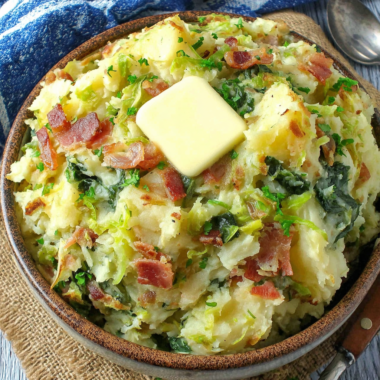
Potatoes add heartiness to the meal, soaking up flavors. You can prepare them as colcannon (mashed with cabbage) or hash, offering a comforting side. - 1 black pudding, sliced
Black pudding, or blood sausage, brings an earthy, rich note with a unique texture. It's a staple in many traditional breakfasts and adds depth to the plate. - 1 white pudding, sliced
Similar to black pudding but without blood, white pudding offers a milder flavor profile. Its crumbly texture contributes a unique experience to the breakfast. - Butter, for frying
Using butter for cooking not only enhances the flavors of the ingredients but also creates beautifully browned and crisp textures, elevating the breakfast. - Fresh parsley or chives, for garnish
A sprinkle of fresh herbs adds a pop of color and brightness, making the dish more visually appealing while also contributing a hint of freshness.
Directions & Preparation
Step 1: Cook the bacon in a large frying pan over medium heat until crispy.
Starting with the bacon is crucial because it creates flavorful drippings in the pan, essential for cooking the other ingredients. A medium heat allows the bacon to render its fat slowly, resulting in a crisp exterior without burning.
Step 2: Remove the bacon and set aside, reserving the drippings in the pan.
Setting the bacon aside on paper towels lets it drain excess fat while keeping it crisp. The reserved drippings serve as a flavorful base for the sausages, hash, and fried eggs, ensuring each component benefits from that smoky essence.
Step 3: Add the sausages to the same pan, cooking until golden brown.
Adding sausages next helps them absorb the smoky flavors left by the bacon. Cook them until they reach a deep, golden color for maximum flavor and ensure they are thoroughly cooked through.
Step 4: Cook the black and white puddings in the same pan.
The puddings will soak up any remaining drippings, enhancing their richness. It’s essential to turn them gently to avoid breaking, allowing them to brown evenly without sticking.
Step 5: Place the halved tomatoes cut side down in the pan.
Cooking the tomatoes last not only takes advantage of the existing heat but also draws out their natural sugars, creating a caramelized effect. This adds a sweet and slightly acidic element to balance the savory flavors.
Step 6: Prepare the potatoes as desired, either as colcannon or hash, cooked separately or in the same pan if space allows.
Potatoes are versatile; if you choose to make colcannon, boiling them before mashing with cabbage enriches the dish. Alternatively, hash can be pan-fried until crispy and golden, providing different textures.
Step 7: Cook the eggs in a little butter in a small pan.
Frying the eggs separately allows you to control their doneness to your preference, whether sunny-side up or over-easy. The butter ensures a rich flavor and helps achieve a delicate crisp on the edges.
Step 8: Assemble everything on a warm plate, garnish with fresh herbs, and serve immediately.
Presentation matters, even for a rustic dish like this. Garnishing with parsley or chives not only brightens the plate but also enhances the overall flavor profile of the meal. Serve hot to enjoy the contrast of flavors and temperatures.

Elevate Your Breakfast with Quality Ingredients
The secret to an unforgettable Full Irish Breakfast lies in the quality of the ingredients. Opt for artisanal sausages and bacon sourced from local butchers or farms whenever possible. The depth of flavor from high-quality meat can transform the meal, creating an experience that resonates with the traditional practices of Irish cooking.
Balance Your Flavors and Textures
A hallmark of a great Full Irish Breakfast is the balance between flavors and textures. While the smokiness of the bacon and sausages is essential, the sweet, juicy tomatoes bring a refreshing contrast. Similarly, pairing crispy elements with creamy fried eggs makes each bite notable, inviting you to savor the diversity on your plate.
The Importance of Temperature in Serving
Serving your Full Irish Breakfast hot is key to maximizing enjoyment. The warmth enhances the flavors, making them more vibrant and appealing. Take the time to warm your plates before plating the meal, keeping everything at the right temperature until it’s ready to be enjoyed, ensuring a delicious start to your day.
FAQs
What if my eggs turn out overcooked?
To avoid overcooking, keep an eye on the eggs as they cook, reducing the heat if necessary. For eggs cooked sunny-side up, look for a slightly runny yolk; for over-easy, gently flip only when the whites are set.
Can I make a lighter version of a Full Irish Breakfast?
Absolutely! Use reduced-fat bacon and sausages, and consider grilling or baking instead of frying. You can also increase the vegetable content with more tomatoes and substitutes like spinach.
What if I can't find black pudding?
If you can't find black pudding, you can substitute with other types of sausage like chorizo or skip it altogether. Just ensure you have an equal number of protein components for balance.
How can I make the breakfast more filling?
To add heartiness, incorporate more potatoes, either as colcannon or hash browns. You can also serve it with whole-grain bread or soda bread for extra bulk.
What if my sausage links aren't cooked through?
Ensure you pierce the sausages lightly before cooking to allow fat to release. If they're not cooked through after browning, finish them in the oven at 350°F for about 10 minutes.
Is there a suitable vegetarian alternative?
Yes, you can create a vegetarian Full Irish Breakfast by using plant-based sausages and omitting the puddings. Substitute with grilled mushrooms, halloumi cheese, or even avocado for creaminess.
Conclusion
Creating a Full Irish Breakfast at home offers more than just sustenance; it's about embracing tradition and quality. This hearty meal is perfect for leisurely mornings or special gatherings.
As you dive into this rich array of flavors and textures, take pride in each element that you prepare. No matter the variations you choose, a well-crafted Full Irish Breakfast will always warm hearts and fuel the day ahead.
Recipe Card
Notes
Additional serving suggestions: pair with a crisp salad, garlic bread, or roasted seasonal vegetables for balance.
For make-ahead, prep components separately and assemble just before heating to preserve texture.
Taste and adjust with acid (lemon/vinegar) and salt right at the end to wake up flavors.