Introduction
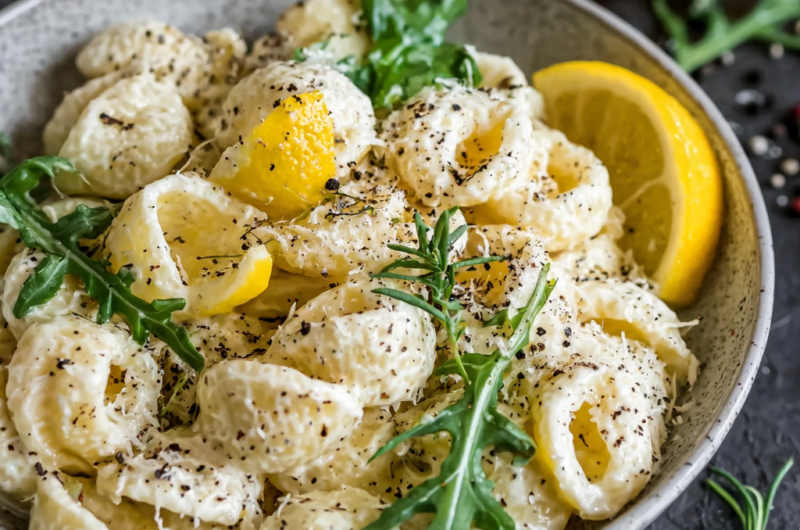
Lemon Ricotta Pasta is a bright, zesty dish that transforms simple ingredients into a culinary delight. The rich creaminess of ricotta paired with the refreshing acidity of lemon creates an exquisite harmony that is perfect for any occasion, from weeknight dinners to special gatherings.
This dish not only stands out for its flavor but also for its simplicity in preparation. With just a few components, you'll be able to whip up a plateful of fresh pasta that is sure to impress. Emphasizing quality ingredients will elevate the dish, ensuring that each bite is bursting with freshness.
Ingredients
- 12 oz spaghetti or linguine
The foundation of this dish, pasta serves as the canvas for the rich and tangy sauce. Spaghetti or linguine provides a nice texture and allows the creamy sauce to cling beautifully. - 1 cup ricotta cheese
Ricotta adds a lovely creaminess and mild flavor, perfectly complementing the lemon. Its rich texture helps create a luscious sauce that coats the pasta elegantly. - Zest of 2 lemons
Lemon zest infuses the dish with aromatic oils, contributing brightness without overwhelming acidity. This ingredient enhances flavor, giving a fresh, enticing aroma. - Juice of 1 lemon
The lemon juice brings necessary acidity and brightness to balance the richness of the ricotta. It's essential for creating a vibrant flavor profile. - 1/4 cup grated Parmesan cheese
Parmesan introduces a depth of flavor with its salty and nutty qualities. It enhances the overall taste and adds a delicious savory note. - 2 tablespoons olive oil
Olive oil adds a touch of fruitiness and moisture, while also helping to combine the sauce ingredients smoothly. It's a key element for richness and flavor. - Salt and pepper to taste
These essential seasonings enhance all the flavors in the dish. Properly seasoning the pasta and sauce is crucial to achieving a balanced taste. - Fresh basil or parsley for garnish
Herbs lend freshness and color to the finished dish, making it visually appealing while contributing a subtle aromatic flavor that complements the pasta well.
Directions & Preparation
Step 1: Cook the pasta according to package directions in a large pot of salted boiling water.
Cooking the pasta properly is crucial as it serves as the heart of your dish. Be sure to cook until al dente; this texture allows the pasta to hold up against the creaminess of the sauce and absorb the flavors more effectively. Reserve some pasta water for later to adjust the sauce consistency.
Step 2: While the pasta cooks, prepare the lemon ricotta sauce in a large mixing bowl.
Combining the ricotta, lemon zest, lemon juice, olive oil, Parmesan, salt, and pepper in a bowl allows for a unified flavor profile. This step ensures that all ingredients meld together before being added to the pasta, creating a rich and cohesive sauce.
Step 3: Once the pasta is cooked, drain it, reserving about a cup of the pasta water.
Draining the pasta at the right time is key to maintaining its perfect texture. By reserving pasta water, you have a ready resource to adjust the sauce later, ensuring it clings beautifully to the pasta.
Step 4: Add the hot pasta directly to the mixing bowl with the ricotta sauce.
Incorporating hot pasta helps to slightly warm the ricotta sauce, allowing it to meld and incorporate effectively. The heat from the pasta also helps emulsify the sauce, creating a creamy texture that enhances each bite.
Step 5: Toss the pasta with the sauce, adding reserved pasta water as needed for consistency.
Turning the pasta with the sauce ensures an even coating and distribution of flavors. The reserved pasta water is vital; slowly adding it helps you achieve the desired creaminess, so the sauce isn't too thick or overly thin.
Step 6: Taste and adjust seasoning with additional salt, pepper, or lemon juice, if necessary.
Tasting before serving is essential to achieving the perfect flavor balance. Seasoning adjustments allow the dish to reflect your preferences and ensure that the lemon and cheese flavors are vibrant and pleasing.
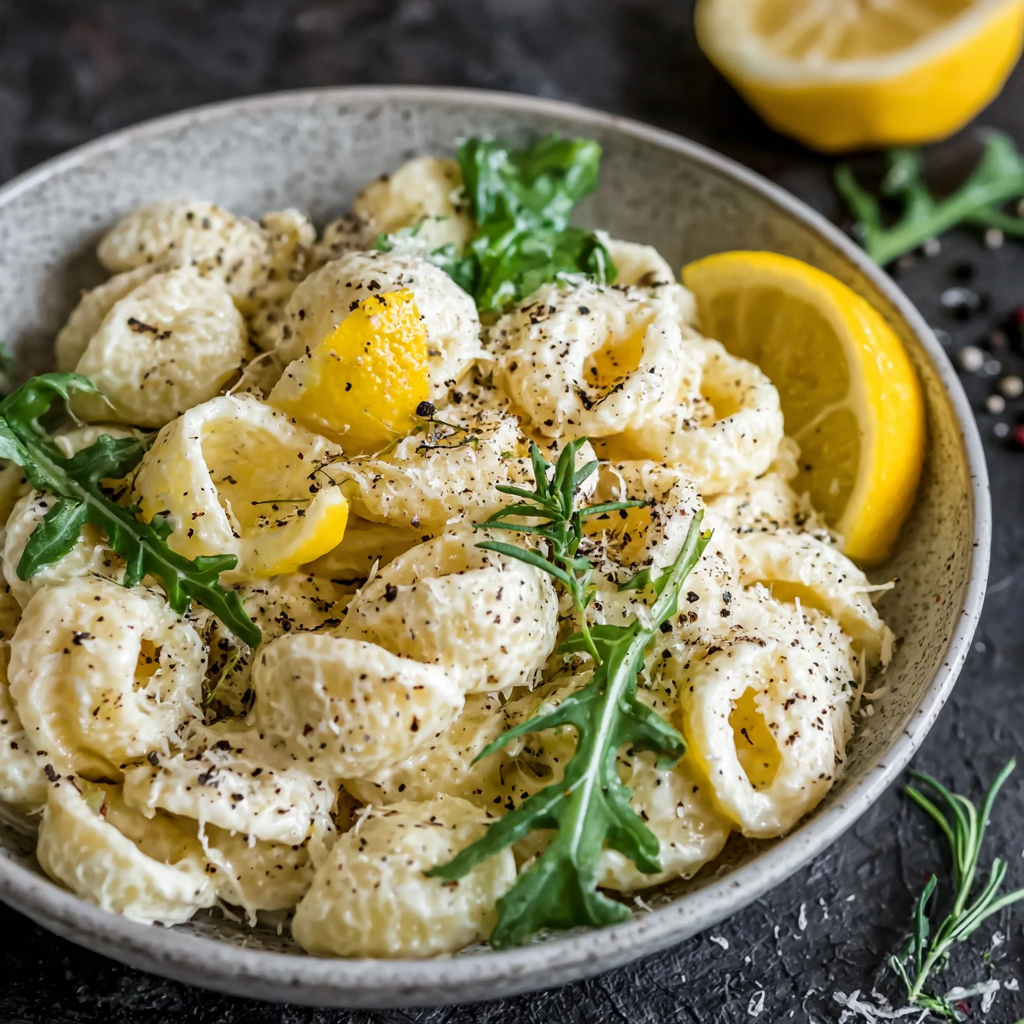
Step 7: Serve the lemon ricotta pasta warm, garnished with fresh herbs and extra Parmesan if desired.
Presentation matters, and garnishing enhances not only the visual appeal but also adds flavor complexity. Fresh herbs uplift the dish, providing a delightful fragrance and additional depth to the overall experience.

Elevating Your Pasta with Fresh Ingredients
Using fresh, high-quality ingredients is key when creating Lemon Ricotta Pasta. Opting for artisanal pasta, homemade ricotta, or organic lemons can significantly enhance both the flavor and texture. Fresh herbs like basil or parsley not only add a pop of color but also elevate the dish with their natural oils and vibrant tastes, making it art on the plate.
The Perfect Balance of Creaminess and Zest
Achieving the right balance between the rich creaminess of the ricotta and the bright acidity of the lemon is essential for this dish. By careful measurement and adjustment in the lemon juice and zest, you create a sauce that not only complements the pasta but also provides a refreshing contrast. This balance is what keeps each bite exciting and enjoyable.
Versatility: Making Lemon Ricotta Pasta Your Own
Lemon Ricotta Pasta is inherently versatile, allowing for personal touches to be added. Whether you want to include seasonal vegetables like peas or asparagus, sprinkle in some chili flakes for a spicy kick, or even add grilled chicken for protein, the base recipe is a great canvas. This flexibility ensures that it can be adjusted to suit different dietary preferences or seasonal ingredients.
FAQs
What if my sauce turns out too thick?
If your sauce is too thick, gradually add reserved pasta water while gently tossing until you reach the desired creamy consistency. This will help the sauce adhere to the pasta without being clumpy.
How can I enhance the flavor if it tastes bland?
If you find the dish lacking in flavor, consider adding more lemon juice or zest for brightness. A sprinkle of extra Parmesan or a dash of red pepper flakes can also elevate the overall taste profile.
Can I make this dish with whole wheat pasta?
Absolutely! Whole wheat pasta can be used as a substitute for a nuttier flavor and added fiber, though it may slightly alter the dish's overall texture.
What's the best way to reheat leftovers?
To reheat, add a splash of olive oil or reserved pasta water in a skillet over medium heat. Stir gently to warm through, preventing the pasta from becoming dry.
Are there any good veggies to add to this recipe?
Yes! Fresh vegetables like spinach, arugula, or even sautéed zucchini can be incorporated to add color, nutrition, and a pleasing crunch to your Lemon Ricotta Pasta.
How do I ensure the pasta is cooked al dente?
To achieve al dente pasta, follow the package instructions for cooking time, tasting a minute or two before the recommended time to check for doneness.
Conclusion
Lemon Ricotta Pasta is not just a dish; it’s a celebration of simplicity and flavor. With its comforting texture balanced by zesty brightness, it’s a dish perfect for any occasion or simply a weeknight dinner. Each bite invites you to relish the vibrant ingredients intermingled beautifully.
Whether you stick to the classic recipe or make your unique variations, this dish is bound to impress. So grab your ingredients, put on your apron, and get ready to enjoy a bowl of delicious, homemade pasta that brings joy to your table.
Recipe Card
Delightful Lemon Ricotta Pasta for Home Cooks
Ingredients
Method
- Cook the pasta according to package directions in a large pot of salted boiling water.
- While the pasta cooks, prepare the lemon ricotta sauce in a large mixing bowl.
- Once the pasta is cooked, drain it, reserving about a cup of the pasta water.
- Add the hot pasta directly to the mixing bowl with the ricotta sauce.
- Toss the pasta with the sauce, adding reserved pasta water as needed for consistency.
- Taste and adjust seasoning with additional salt, pepper, or lemon juice, if necessary.
- Serve the lemon ricotta pasta warm, garnished with fresh herbs and extra Parmesan if desired.
Notes
Additional serving suggestions: pair with a crisp salad, garlic bread, or roasted seasonal vegetables for balance.
For make-ahead, prep components separately and assemble just before heating to preserve texture.
Taste and adjust with acid (lemon/vinegar) and salt right at the end to wake up flavors.