Introduction
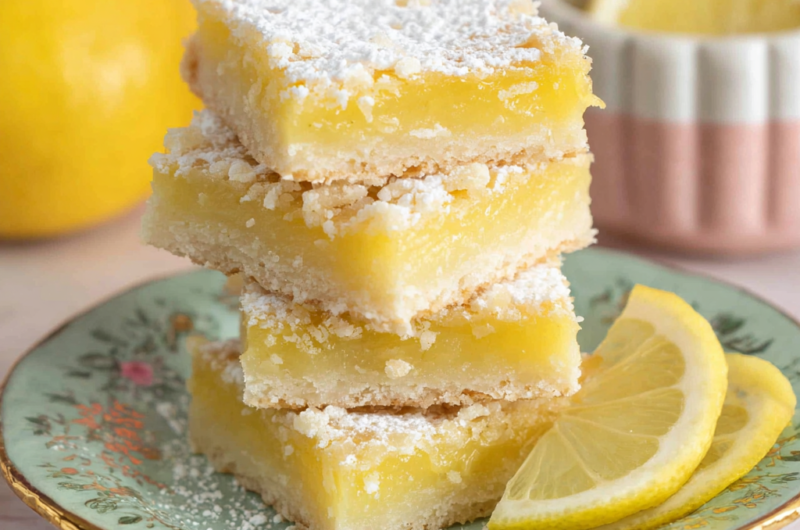
Lemon bars are a classic dessert, celebrated for their perfect balance of sweet and tart. They evoke feelings of warmth and nostalgia, making them a beloved choice for countless gatherings, from summer picnics to festive holiday tables.
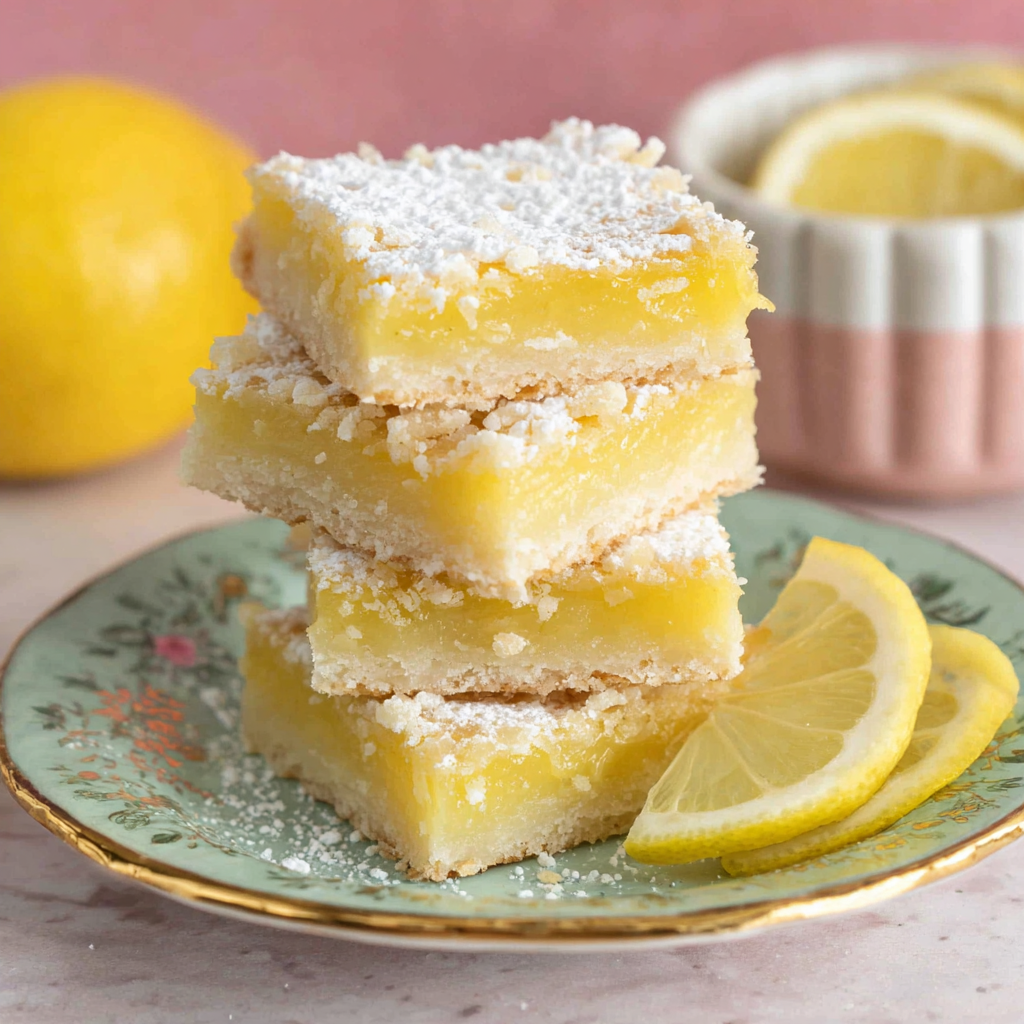
With a crumbly, buttery shortbread crust and a luscious lemon filling, each bite delivers a burst of citrus joy. The texture contrasts create a satisfying experience, while the vibrant lemon flavor keeps you coming back for more.
Whether you are an experienced baker or a novice in the kitchen, these lemon bars are straightforward to make and are sure to impress. Let’s dive into the zesty world of lemon bars and discover how to create this refreshing treat.
Ingredients
- 1 cup unsalted butter, softened
Butter adds richness to the crust, creating that desirable flaky texture. The fat also enhances the overall flavor, making the lemon filling stand out. - 1/2 cup granulated sugar
Sugar sweetens the butter crust, helping it brown beautifully in the oven while also balancing the tartness of the lemon filling. - 1 3/4 cups all-purpose flour
Flour is vital for structure, contributing to the density and integrity of the crust. It absorbs moisture and binds the ingredients together, providing a sturdy base. - 1/4 teaspoon salt
Salt balances the sweetness and enhances the flavors of both the crust and the lemon filling. It also helps to create a more pronounced taste in baked goods. - 1 cup granulated sugar (for filling)
This additional sugar sweetens the tangy lemon juice and zest, creating the right contrast. It is crucial in making the filling smooth and palatable. - 4 large eggs
Eggs provide structure and stability to the lemon filling, ensuring it sets properly. They also contribute to the creamy texture that is so characteristic of lemon bars. - 1 cup fresh lemon juice
Fresh lemon juice is essential for that sharp, zesty flavor. It not only brightens the filling but also adds moisture, balancing out the sweetness. - 2 tablespoons lemon zest
Lemon zest packs an aromatic intensity, bringing out the citrus flavor without adding extra liquid. It enhances the overall lemon profile of the dessert. - Powdered sugar (for dusting)
This is added for presentation, providing a touch of sweetness that complements the tartness of the lemon bars. It also enhances the visual appeal.
Directions & Preparation
Step 1: Preheat your oven to 350°F (175°C).
Starting with the correct oven temperature ensures that the lemon bars bake evenly from the outset. Proper preheating is crucial for achieving the desired texture in both crust and filling.
Step 2: Prepare a 9×13-inch baking pan by greasing it or lining with parchment paper.
Greasing or lining the pan prevents the bars from sticking, making it easier to remove them after baking. Parchment paper can also help in lifting the bars out cleanly once cooled.
Step 3: In a mixing bowl, beat 1 cup of softened butter and 1/2 cup of granulated sugar until light and fluffy.
Creaming the butter and sugar is essential for incorporating air into the mixture, which leads to a tender, light crust. This step builds a nice texture while ensuring the sugar dissolves properly.
Step 4: Add in 1 3/4 cups of flour and 1/4 teaspoon of salt, mixing until just combined.
Mixing the dry ingredients into the creamed butter keeps the gluten development minimal, allowing the crust to remain crumbly and not tough. Over-mixing at this stage can lead to a dense outcome.
Step 5: Spread the crust mixture evenly into the prepared pan and press down firmly.
Pressing the crust into the pan evenly ensures it bakes uniformly. A compact crust will provide a sturdy base for the tart filling, helping to avoid any sogginess.
Step 6: Bake the crust for 15-20 minutes, or until lightly golden.
Baking the crust ahead of the filling allows it to set and create a barrier that keeps the bottom from getting too soft. Watch for a light golden color as a cue to remove it from the oven.
Step 7: While the crust bakes, prepare the lemon filling by whisking together 1 cup of sugar and 4 eggs until well combined.
Whisking the eggs and sugar together ensures that they are fully incorporated, creating a uniform filling. The sugar should dissolve into the eggs, resulting in a smooth mixture.
Step 8: Stir in 1 cup of fresh lemon juice and 2 tablespoons of lemon zest.
Adding lemon juice and zest brings the vibrant citrus flavor to life. Ensure that the lemon juice is freshly squeezed for the best taste; bottled versions often lack the necessary brightness.
Step 9: Pour the mixture over the baked crust and return to the oven for another 20-25 minutes.
Pouring the filling over the crust allows their flavors to meld during baking. The filling will puff slightly and set; keep an eye on it to avoid overcooking, as this can lead to a rubbery texture.
Step 10: Once set, remove from the oven and allow to cool at room temperature.
Cooling the lemon bars fully before cutting is crucial for cleaner slices. This resting period allows the filling to settle further, enhancing the texture.
Step 11: Dust with powdered sugar before slicing into squares for serving.
The final touch of powdered sugar adds a visually pleasing contrast and a hint of sweetness. This step not only elevates the presentation but also balances the tartness of the lemon.

Choosing the Right Lemons for Flavor
The choice of lemons significantly impacts the flavor of your lemon bars. Look for firm, heavy lemons that yield slightly under pressure, as these often contain more juice. Meyer lemons are a sweeter alternative, providing a unique flavor twist, while traditional Eureka or Lisbon lemons deliver that classic tartness. Experimenting with different varieties can lead to delightful variations.
Zesting Technique: A Game Changer
Zesting lemons enhances your bars with an intense citrus aroma. To properly zest, use a microplane or a fine grater, ensuring you only remove the bright yellow outer layer and avoid the bitter white pith underneath. This little technique amplifies the flavor drastically, making your lemon bars even more refreshing and aromatic.
Serving Suggestions to Elevate Your Dessert
Pairing lemon bars with complementary accompaniments can create a delightful dessert experience. Consider serving them with a dollop of whipped cream or a side of fresh berries. A scoop of vanilla ice cream or a drizzle of chocolate sauce also works well, adding additional textures and flavors to contrast with the tartness of the bars.
FAQs
What if my lemon filling is too runny?
If the filling does not set properly during baking, ensure that it gets enough time in the oven to thicken. If this happens often, increase the flour slightly in the filling the next time.
Can I use bottled lemon juice instead of fresh?
While bottled lemon juice is convenient, it lacks the vibrant flavor and freshness of freshly squeezed juice. For the best results, fresh lemons are recommended.
What should I do if my crust is too thick?
If your crust turns out too thick, it could be due to overpacking the flour. In future batches, try using a lighter hand when pressing it into the pan or slightly reducing the flour amount.
Can I make these lemon bars larger or smaller?
Certainly! Adjust the baking time based on the size of the bars. A larger pan will require a longer bake, while a smaller one may need less time.
What can I do to prevent overcooked lemon filling?
Monitoring baking time and checking for a just-set consistency can prevent overcooking. Remove the bars when the filling is slightly jiggly; it will firm up as they cool.
How do I know when my crust is done?
The crust should be a light golden brown color. Keep a close eye on it during the last few minutes to avoid burning.
What if I want a thicker lemon layer?
To achieve a thicker lemon layer, increase the filling ingredients proportionally. Just be sure to adjust the baking time accordingly to ensure proper set.
How can I enhance the flavor without using more sugar?
Consider adding a pinch of salt or a splash of vanilla extract to deepen the flavor profile without extra sweetness.
Conclusion
With their perfect balance of sweetness and tartness, lemon bars are sure to be a hit at any gathering. The straightforward recipe allows for creativity, inviting you to adjust flavors or presentations to suit your preferences.
Don't hesitate to experiment with different lemon varieties or garnish options. These delightful treats not only satisfy your sweet tooth but also elevate the joy of cooking and sharing desserts with loved ones.
Recipe Card
Delightful Lemon Bars That Brighten Your Day
Ingredients
Method
- Preheat your oven to 350°F (175°C).
- Prepare a 9x13-inch baking pan by greasing it or lining with parchment paper.
- In a mixing bowl, beat 1 cup of softened butter and 1/2 cup of granulated sugar until light and fluffy.
- Add in 1 3/4 cups of flour and 1/4 teaspoon of salt, mixing until just combined.
- Spread the crust mixture evenly into the prepared pan and press down firmly.
- Bake the crust for 15-20 minutes, or until lightly golden.
- While the crust bakes, prepare the lemon filling by whisking together 1 cup of sugar and 4 eggs until well combined.
- Stir in 1 cup of fresh lemon juice and 2 tablespoons of lemon zest.
- Pour the mixture over the baked crust and return to the oven for another 20-25 minutes.
- Once set, remove from the oven and allow to cool at room temperature.
- Dust with powdered sugar before slicing into squares for serving.
Notes
Additional serving suggestions: pair with a crisp salad, garlic bread, or roasted seasonal vegetables for balance.
For make-ahead, prep components separately and assemble just before heating to preserve texture.
Taste and adjust with acid (lemon/vinegar) and salt right at the end to wake up flavors.