Introduction
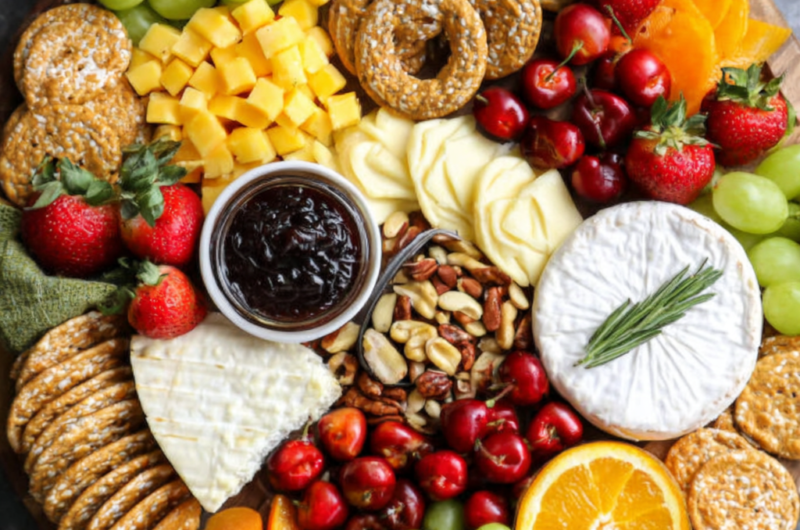
A beautifully arranged fruit and cheese platter can elevate any gathering, combining the sweet and savory in a delightful presentation. It's not just food; it's an experience that invites guests to indulge and mingle. Everyone loves to nibble on bite-sized morsels while sipping wine or sparkling water.
Creating this spread isn't about following strict guidelines, but rather about allowing your creativity to shine. Select cheeses and fruits that contrast in flavor and texture, balancing creamy, sharp, and sweet elements. This will keep your guests coming back for seconds as they explore the layers of flavor.
Ingredients
- 8 ounces artisanal cheese (variety of your choice)
Choose cheeses with different textures and flavors. A sharp cheddar, creamy brie, and tangy blue cheese can create a diverse palate, encouraging guests to taste and discover their favorites. - 1 pound seasonal fruits (grapes, figs, berries)
Seasonal fruits not only enhance the visual appeal but also provide a refreshing contrast to the rich cheeses. Opt for a mix of sweet and tart fruits to balance flavors effectively. - 1 cup mixed nuts (almonds, walnuts, cashews)
Nuts add a delightful crunch and earthy flavor to the platter. Their protein content also complements the overall snackability of cheese and fruits. - Fresh herbs (like rosemary or mint)
Herbs are often overlooked but can add a surprising burst of flavor and a vivid pop of color to your platter. Use them as garnishes or sprinkle over fruits for added freshness. - Honey or fig jam (optional)
A drizzle of honey or a spoonful of fig jam provides a sweet counterpart that pairs beautifully with cheese. It's the perfect finishing touch to elevate the flavor profile.
Directions & Preparation
Step 1: Select your cheeses and prepare them for serving.
Begin by slicing your cheeses into various shapes, such as wedges, cubes, or slices. The aim is to create visual interest while also allowing easy access for guests. A mixture of textures is key; for example, soft cheeses like brie should contrast with firmer cheeses like gouda. Arrange these on the platter, spacing them out to avoid overwhelming any one area and to invite exploration.
Step 2: Wash and prepare the fruits, cutting larger pieces if necessary.
Give each fruit a good rinse and pat them dry. For larger fruits like apples or pears, slice them into manageable pieces, keeping in mind that bite-sized is ideal for grazing. A mix of whole grapes and sliced fruits can create a dynamic look. Layer these fruits around the cheeses to draw the eye and create a colorful display.
Step 3: Add the mixed nuts to fill in gaps and add texture.
Nuts serve as a great filler that attracts the hand. Scatter them around the cheeses and fruits, considering both aesthetics and accessibility. Offering variety in nut types, from salty to sweet, can also encourage different flavor pairings and choices for your guests.
Step 4: Incorporate fresh herbs for decoration and flavor.
Strategically place fresh herbs throughout the cheese and fruit arrangement. Not only do they enhance the overall visual appeal, but they also impart a refreshing aroma that whets the appetite. Consider using small sprigs of mint or rosemary that guests can easily pluck off the platter.
Step 5: Drizzle honey or add fig jam as a finishing touch.
If using honey, serve it in a small dish with a honey dipper for easy access. Fig jam can be placed into small bowls alongside the cheeses and fruits. These additions will beckon your guests to cut through the richness of the cheese with something sweet, enticing them to try different combinations.
Step 6: Set your platter out with accompanying drinks and enjoy!
Carefully place your platter on a table where guests can easily access it from all sides. Pair with beverages like wine, sparkling water, or a light cocktail to enhance the experience. Encourage guests to mix and match flavors, fostering a relaxed and enjoyable atmosphere.

Cheese Selection: The Heart of Your Platter
When choosing cheeses, consider a range of flavors and textures—from mild to bold. A soft cheese like camembert can provide creaminess, while a crumbly aged cheddar adds a satisfying contrast. Combine different milk types, such as cow, goat, and sheep, for a rounded experience. Remember, labeling your cheese can help guests appreciate their choices even more.
Fruits: Seasonal Splendor on Display
Selecting seasonal fruits not only enhances the flavor but elevates the visual aspect of your platter. Fruits like strawberries and blueberries burst with juicy sweetness, while figs add a sophisticated touch. Don’t shy away from including some unexpected fruits, like pomegranates or starfruit, which can also serve as conversation starters while providing seasonal variety.
Creating Harmony with Nuts and Sweet Accents
Nuts and sweeteners like honey or fig jam play an essential role in enhancing the overall flavor profile of your platter. Nuts contribute crunch and richness, while the sweetness from honey or jam works beautifully to balance out the saltiness of certain cheeses. Encourage your guests to dip fruits in honey or pair nuts with cheese, creating delightful new flavors with each bite.
FAQs
What types of cheese should I avoid?
Steer clear of overly pungent cheeses unless your guests are familiar with them. Strong cheeses can sometimes be divisive, so it's best to keep the selection relatively mild.
Can I include dried fruits instead of fresh ones?
Yes, dried fruits like apricots or raisins can add an artisanal flair and a different texture. They complement cheeses well and offer another layer of flavor.
How can I adjust the serving size for a larger gathering?
Increase the quantities of cheese and fruit proportionally. If your usual quantity serves four, doubling or tripling the portions will accommodate larger groups.
What if my cheese is too soft and runny?
If your cheese becomes too soft, it may be best to refrigerate it for a bit before serving. Soft cheeses should ideally be served around room temperature for the best flavor and texture.
Can I use nuts with dietary restrictions?
Absolutely, there are plenty of nut alternatives like seeds to cater to various allergies. Options such as pumpkin seeds or sunflowers provide crunch without the nutty allergens.
Do I need to use expensive cheeses?
Not at all! Quality can be found at various price points. Consider local cheese makers, who often offer delicious options without breaking the bank.
Conclusion
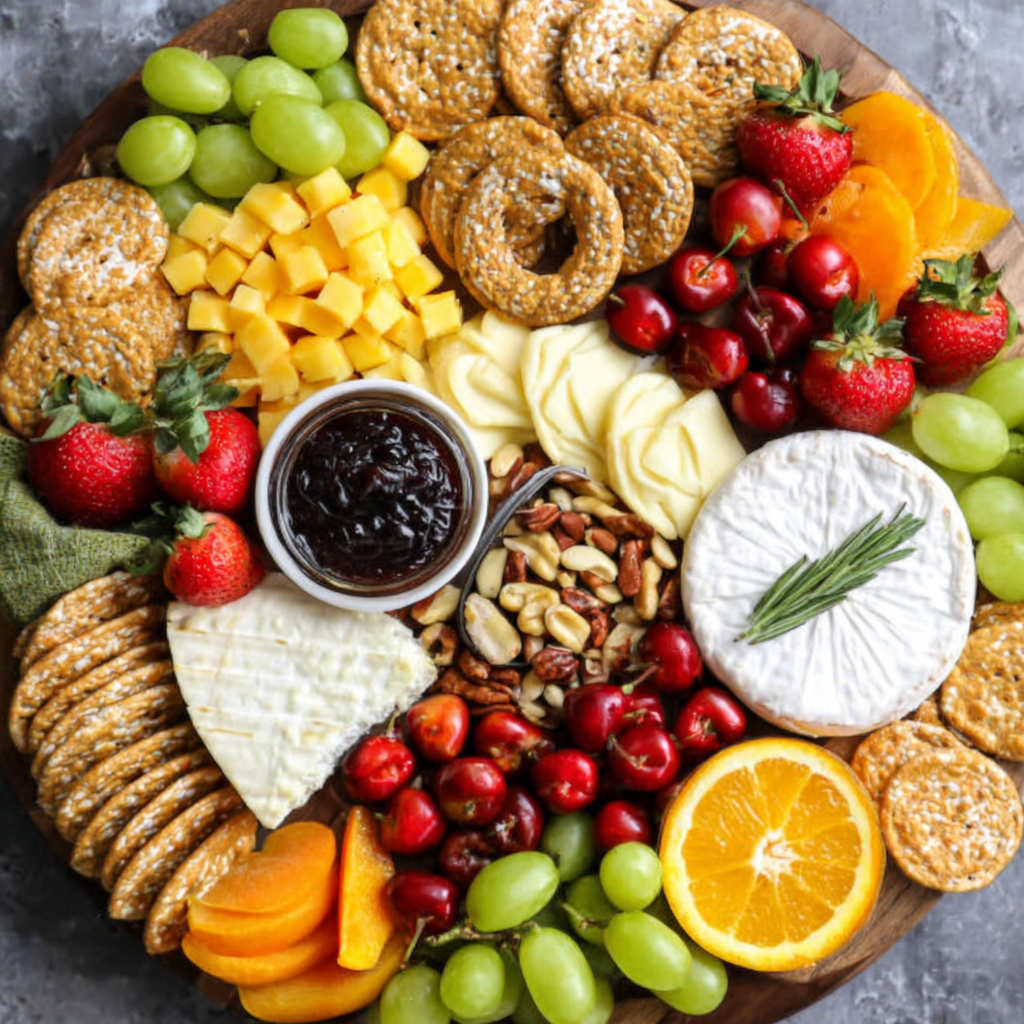
Crafting a fruit and cheese platter is a celebration of flavors, textures, and beautiful presentation. With thoughtful selection and arrangement, you create more than just a dish; you set the stage for conversation and joy among guests.
Remember, the joy of this platter lies in its variability and your personal touch. Feel free to experiment with combinations that reflect your taste and your gathering's spirit.
Recipe Card
Crafting the Perfect Fruit and Cheese Platter
Ingredients
Method
- Select your cheeses and prepare them for serving.
- Wash and prepare the fruits, cutting larger pieces if necessary.
- Add the mixed nuts to fill in gaps and add texture.
- Incorporate fresh herbs for decoration and flavor.
- Drizzle honey or add fig jam as a finishing touch.
- Set your platter out with accompanying drinks and enjoy!
Notes
Additional serving suggestions: pair with a crisp salad, garlic bread, or roasted seasonal vegetables for balance.
For make-ahead, prep components separately and assemble just before heating to preserve texture.
Taste and adjust with acid (lemon/vinegar) and salt right at the end to wake up flavors.


