Introduction
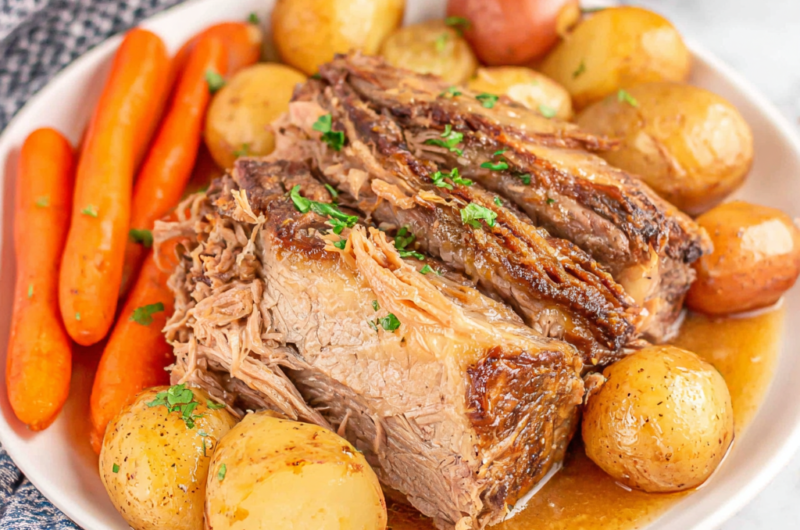
Crockpot pork roast is a culinary classic that marries convenience with rich flavor. Perfect for a family dinner, this slow-cooked dish promises to fill your home with mouthwatering aromas. The beauty of using a crockpot lies not just in its ease, but in its ability to transform simple ingredients into a sumptuous meal.
When prepared correctly, the pork roast becomes incredibly tender, with spices mingling beautifully. It’s a set-it-and-forget-it kind of meal, making it ideal for busy home cooks or a leisurely weekend dinner gathering. Let’s embark on this flavorful journey with a straightforward approach to crafting this delicious dish.
Ingredients
- 3-4 pounds pork shoulder roast
This cut of meat is fatty and marbled, which contributes to a tender and juicy texture when cooked slowly. The fat breaks down during the long cooking process, enhancing flavor and moisture. - 1 tablespoon olive oil
Used for searing the pork, olive oil helps to develop a rich, golden crust, adding depth of flavor to the roast. It also prevents sticking during the cooking process. - 1 large onion, chopped
Onions provide a natural sweetness as they caramelize, enhancing the overall flavor profile of the dish. They also contribute moisture, which is essential for a succulent roast. - 4 cloves garlic, minced
Garlic adds a beautiful aromatic quality and a rich, savory note, making the dish more flavorful. It infuses the pork with a strong yet balanced garlicky taste. - 2 cups low-sodium chicken broth
Broth serves as the cooking liquid, helping to keep the roast moist during slow cooking. It also imparts an umami richness that elevates the overall taste of the dish. - 2 tablespoons soy sauce
Soy sauce brings a salty, savory depth to the dish, enhancing the pork's natural flavors. It also helps in the browning process during searing. - 2 teaspoons smoked paprika
Smoked paprika introduces a delightful smoky mellowness that complements the roasted flavors. This spice enhances the complexity of the dish without overwhelming it. - 1 teaspoon black pepper
Freshly ground black pepper provides a warm spice that balances sweetness from the onions and garlic, while uplifting the entire flavor profile. - 1 teaspoon dried thyme
Thyme imparts a subtle earthiness, enhancing the overall aroma and pairing well with the sweetness of the pork. It also contributes herbal notes to the dish. - 1 tablespoon brown sugar
This ingredient helps to balance the savory flavors with a hint of sweetness, caramelizing during the cooking process to create a delicious crust.
Directions & Preparation
Step 1: Season the pork shoulder roast generously with salt and pepper.
Seasoning before cooking is crucial as it helps to penetrate the meat, enhancing its flavor. Ensure that you cover every surface for a well-seasoned final dish.
Step 2: In a heated skillet, add olive oil and sear the pork on all sides until browned.
Searing creates a flavorful crust that adds depth to the dish. This step is vital because it locks in juices and develops a rich color, which will enhance both presentation and flavor.
Step 3: Remove the pork and set aside. In the same skillet, sauté the chopped onions and garlic until translucent.
Using the residual oil and fond left in the pan, the onions and garlic absorb flavors while building a balanced base for your sauce. This adds layers of taste right at the beginning.
Step 4: In the crockpot, add the sautéed onion and garlic mixture, followed by the seared pork.
Layering cooked ingredients at the bottom helps to create a natural cooking liquid as they release moisture during cooking. This is especially important for achieving a tender roast.
Step 5: Pour in the chicken broth and soy sauce. Sprinkle over the smoked paprika, thyme, and brown sugar.
The broth and soy sauce will mix to form a delicious braising liquid that keeps the pork moist. The spices add depth and complexity, allowing the flavors to meld as it cooks.
Step 6: Cover the crockpot and cook on low for 8-10 hours or high for 4-6 hours.
Cooking slowly allows the connective tissues in the pork to break down effectively, resulting in tenderness. Keep the lid on during cooking to maintain consistent heat and moisture.
Step 7: Once cooked, remove the pork and let it rest for 10-15 minutes before slicing.
Resting the meat allows juices to redistribute throughout, preventing them from spilling out when sliced. This step is crucial for achieving a juicy roast.
Step 8: Strain and reduce the liquid if desired for a sauce, then serve alongside the sliced pork.
Straining helps remove any solids from the cooking liquid to create a smooth sauce, intensifying flavor. Drizzling this over the sliced pork enhances the dish beautifully.

Unleashing Flavors Through Marinade
Marinating your pork roast ahead of time can significantly elevate the flavors in this dish. A combination of soy sauce, brown sugar, and spices can be applied hours before cooking. This not only infuses the meat but also helps tenderize it further, ensuring a rich flavor profile that permeates every bite.
Choosing the Right Cut for Success
While pork shoulder is typically the go-to for this recipe, understanding various cuts can enhance your cooking reliability. Cuts like pork loin or pork butt can also work, but they may yield different textures and flavors due to variations in fat content. Selecting the right cut is integral to achieving the desired taste and succulence.
Maximizing Leftovers with Creativity
After enjoying your delicious crockpot pork roast, consider how to repurpose leftovers. Shredded pork can be incorporated into tacos, sandwiches, or salads. By transforming the remaining meat into new meals, you minimize waste while maximizing flavor, keeping your menu exciting and fresh for days.
FAQs
What can I do if the sauce is too thick?
If the sauce is too thick, simply add a bit of additional chicken broth or water while simmering until you achieve your desired consistency. Stir well to combine.
How can I add more depth to the flavor?
To enhance flavor, consider adding a splash of apple cider vinegar or a teaspoon of mustard to the broth. These ingredients add acidity that balances the richness of the pork.
What do I do if the pork is overcooked?
If the pork becomes overcooked, the best remedy is a light sauce to add moisture. Shred the meat and toss it in the remaining broth for a saucy texture.
Can I scale this recipe for a smaller roast?
Yes, reduce the ingredients proportionally for a smaller roast, remembering to adjust cooking time accordingly; smaller cuts will cook faster.
What if I can't find smoked paprika?
If you can't find smoked paprika, you can use regular paprika and add a couple of drops of liquid smoke for a similar flavor profile.
Should I adapt the timing for a frozen pork roast?
Yes, if using a frozen pork roast, increase your cooking time by 1-2 hours on the low setting, ensuring the internal temperature reaches a safe 145°F.
Conclusion
Crockpot pork roast is more than just a meal; it’s an experience, a delightful blend of simplicity and satisfying flavors. With minimal effort, you can create a dish that impresses your family and friends, perfect for a cozy dinner.
By following these steps and utilizing quality ingredients, your pork roast will be a centerpiece of deliciousness. Enjoy the process and savor each bite of your lovingly prepared meal.
Recipe Card

Savory and Tender Crockpot Pork Roast Recipe
Ingredients
Method
- Season the pork shoulder roast generously with salt and pepper.
- In a heated skillet, add olive oil and sear the pork on all sides until browned.
- Remove the pork and set aside. In the same skillet, sauté the chopped onions and garlic until translucent.
- In the crockpot, add the sautéed onion and garlic mixture, followed by the seared pork.
- Pour in the chicken broth and soy sauce. Sprinkle over the smoked paprika, thyme, and brown sugar.
- Cover the crockpot and cook on low for 8-10 hours or high for 4-6 hours.
- Once cooked, remove the pork and let it rest for 10-15 minutes before slicing.
- Strain and reduce the liquid if desired for a sauce, then serve alongside the sliced pork.
Notes
Additional serving suggestions: pair with a crisp salad, garlic bread, or roasted seasonal vegetables for balance.
For make-ahead, prep components separately and assemble just before heating to preserve texture.
Taste and adjust with acid (lemon/vinegar) and salt right at the end to wake up flavors.