Introduction
Shrimp scampi is a dish that captures the essence of coastal cooking with its vibrant flavor and enticing aromas. This classic recipe combines tender shrimp, garlic, and a touch of white wine, creating a symphony of taste that’s easy to love and quick to prepare. It's a perfect choice for both special occasions and casual dinners.
Traditionally, scampi refers to a type of small lobster, but in modern cuisine, it has come to denote a delicious preparation of shrimp. When cooked correctly, shrimp scampi presents a harmonious blend of flavors from fresh herbs and butter, culminating in a rich sauce that pairs beautifully with pasta or crusty bread.
Ingredients
- 1 pound large shrimp, peeled and deveined
Shrimp is the star of this dish, providing a sweet and delicate flavor. Using large shrimp ensures a satisfying bite, and peeling and deveining them allows for easier consumption and enhances the overall dining experience. - 8 ounces linguine or spaghetti
Pasta serves as a hearty base that absorbs the flavorful sauce, providing a satisfying contrast to the tender shrimp. Linguine or spaghetti works best, as their long strands complement the dish's presentation. - 4 tablespoons unsalted butter
Butter adds richness and depth to the sauce, helping to bind the flavors together. It also imparts a creamy texture that coats the pasta and shrimp, creating a luxurious mouthfeel. - 3 tablespoons olive oil
Olive oil contributes a fruity note and helps to sauté the garlic and shrimp without burning. It also enhances the dish's healthier profile when combined with butter. - 4 cloves garlic, minced
Garlic infuses the dish with a robust flavor, creating an aromatic backdrop that elevates the sweet taste of shrimp. The cooking process mellows the garlic, giving it a rich, roasted quality. - 1/2 cup dry white wine
White wine deglazes the pan, lifting the golden bits of flavor while adding acidity that balances the richness of the butter. A dry wine like Sauvignon Blanc or Pinot Grigio works best. - 1/4 teaspoon red pepper flakes
Red pepper flakes add a subtle kick that enhances the overall flavor profile without overwhelming it. They bring warmth and complexity to the dish. - Juice of 1 lemon
Lemon juice brightens the dish with its acidity, cutting through the richness of the butter and enhancing the shrimp's natural sweetness. It also adds a refreshing contrast. - 1/4 cup fresh parsley, chopped
Fresh parsley not only brings a pop of color to the dish but also provides a fresh, herbal note that complements the other flavors beautifully. It’s often used as a final touch for garnish.
Directions & Preparation
Step 1: Cook the pasta according to package instructions, until al dente. Drain and set aside, reserving some pasta water.
Cooking the pasta properly is crucial; al dente ensures it has a slight bite that holds up well with the shrimp and sauce. Reserving pasta water is essential, as the starchy liquid can help adjust the sauce's consistency later.
Step 2: In a large skillet, heat olive oil and 2 tablespoons of butter over medium heat.
Heating the oil and butter together helps create a rich base for sautéing. The butter adds flavor while the oil raises the smoke point, preventing burning. Medium heat is key to avoiding overcooked garlic.
Step 3: Add minced garlic and red pepper flakes, sautéing until fragrant, about 1 minute.
Sautéing the garlic until fragrant releases its essential oils, infusing the oil with flavor without letting it burn. The red pepper flakes will bloom in the oil, enhancing their heat.
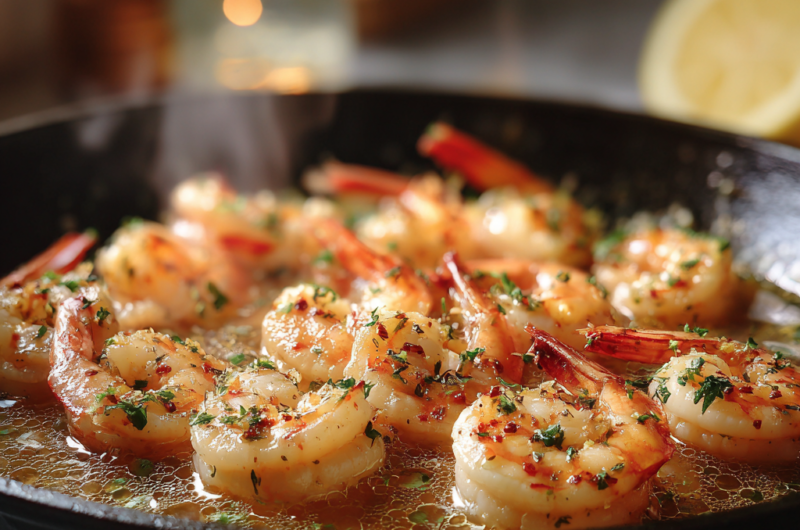
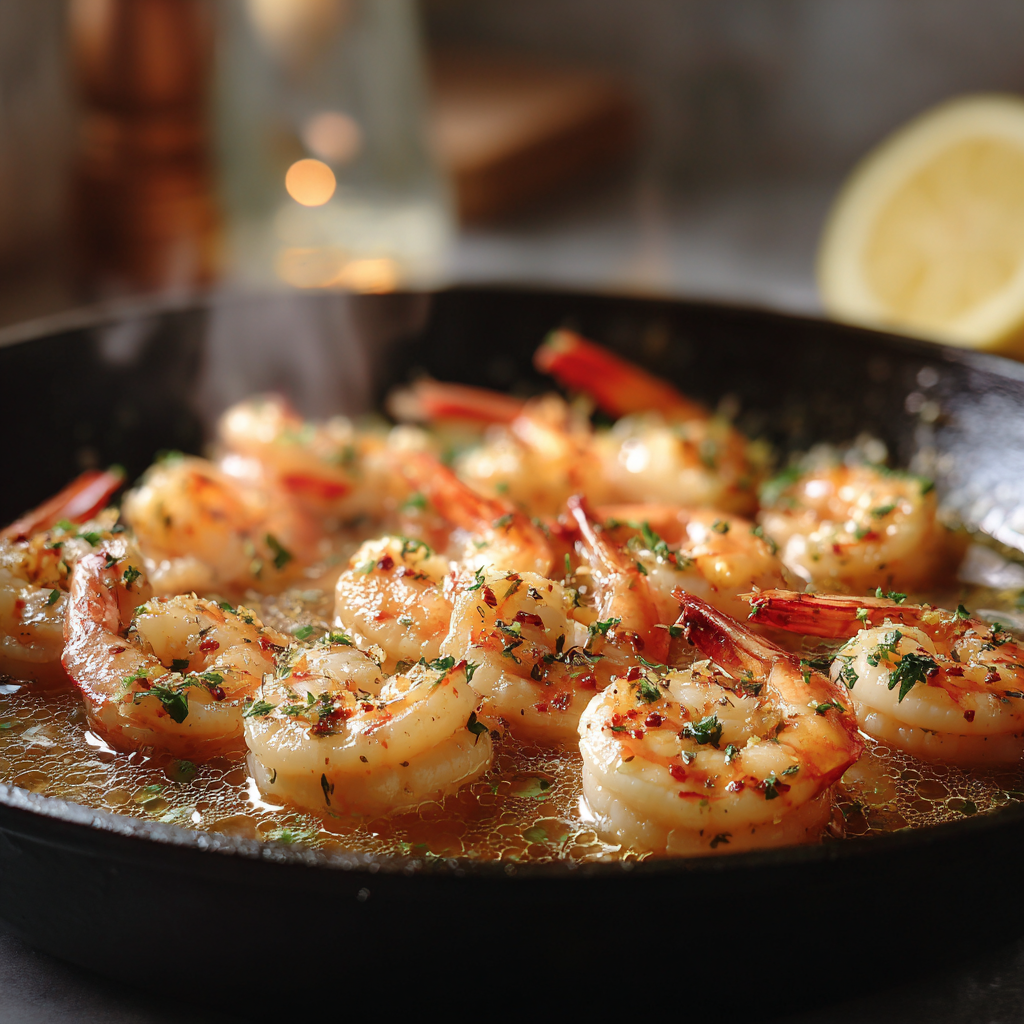
Step 4: Add shrimp to the skillet in a single layer; cook until just opaque, about 2-3 minutes per side.
Cooking the shrimp in a single layer ensures even cooking and prevents steaming. They should turn pink and curl slightly as they cook, signaling they are done.
Step 5: Pour in the white wine and bring to a simmer, scraping up any browned bits from the pan.
Deglazing the pan with white wine captures the delicious browned bits, enriching the sauce. The simmering wine will reduce slightly, intensifying its flavor as it mixes with the shrimp.
Step 6: Stir in the cooked pasta, lemon juice, and remaining butter. Toss to coat, adding reserved pasta water if necessary.
Combining the pasta with the sauce creates a cohesive dish. The lemon juice and butter meld to form a luscious emulsion. If the sauce feels too thick, the reserved pasta water helps achieve the desired consistency.
Step 7: Finish with fresh parsley and serve immediately with additional lemon wedges, if desired.
Adding parsley at the end preserves its fresh flavor and color. Serving with lemon wedges allows diners to adjust the acidity to their taste, enhancing enjoyment.

The Importance of Fresh Ingredients
Using fresh ingredients in shrimp scampi is paramount for achieving the best flavor. Fresh shrimp should be firm and slightly translucent. Opt for fresh garlic and herbs to deliver vibrant notes to the dish. Additionally, choosing high-quality pasta and a good dry white wine enhances the overall taste, making a significant difference in the final dish.
Perfecting the Sauce Consistency
The sauce in shrimp scampi is integral to its appeal, and getting the consistency just right is crucial. The combination of butter, olive oil, and wine creates a rich base, but incorporating reserved pasta water allows for adjustments. This starchy liquid can thicken or loosen the sauce as needed, ensuring it beautifully adheres to the pasta without being overly greasy.
Pairing Suggestions for a Delightful Meal
Shrimp scampi can shine as a star dish on its own, but careful pairing can elevate your meal further. A crisp green salad with a light vinaigrette balances the richness of the dish. Additionally, serving it with a chilled glass of white wine — like a Sauvignon Blanc — enhances the flavors, making every bite a delightful experience. For a heartier option, consider garlic bread to scoop up any remaining sauce.
FAQs
What if my sauce is too thick?
If your sauce turns out too thick, gradually add reserved pasta water until you reach the desired consistency. The starchy water will help loosen the sauce without diluting the flavor.
How can I adjust the spice level?
To moderate the spice level, reduce the amount of red pepper flakes used or omit them entirely. For additional heat, consider adding them gradually until you reach your preferred spice.
What if my garlic burns too quickly?
If your garlic burns, it can impart a bitter taste to the dish. Lower the heat and add the garlic a little later in the cooking process, ensuring it gets just golden rather than brown.
How can I scale this recipe for more servings?
To scale the recipe, simply increase the quantity of shrimp, pasta, and sauce ingredients proportionally. Make sure to use a larger skillet to accommodate the additional ingredients while keeping even cooking.
Can I use frozen shrimp instead of fresh?
Yes, you can use frozen shrimp, but be sure to thaw them completely before cooking. Pat them dry to remove excess moisture, which helps achieve the desired sear.
What should I do if my shrimp are overcooked?
If your shrimp become overcooked, they may turn tough and rubbery. For next time, keep an eye on the cooking time, as shrimp cook quickly and are done as soon as they turn pink and opaque.
Conclusion
Shrimp scampi is not just a dish; it’s an experience filled with bold flavors that easily transports you to coastal dining. The balance of rich butter, fragrant garlic, and fresh herbs create a delightful plate that leaves a lasting impression.
Embrace the simplicity and elegance of shrimp scampi in your home cooking. With a few fresh ingredients and careful preparation, you can create a restaurant-quality meal that impresses family and friends alike.
Recipe Card
Savoring Shrimp Scampi: A Flavorful Delight
Ingredients
Method
- Cook the pasta according to package instructions, until al dente. Drain and set aside, reserving some pasta water.
- In a large skillet, heat olive oil and 2 tablespoons of butter over medium heat.
- Add minced garlic and red pepper flakes, sautéing until fragrant, about 1 minute.
- Add shrimp to the skillet in a single layer; cook until just opaque, about 2-3 minutes per side.
- Pour in the white wine and bring to a simmer, scraping up any browned bits from the pan.
- Stir in the cooked pasta, lemon juice, and remaining butter. Toss to coat, adding reserved pasta water if necessary.
- Finish with fresh parsley and serve immediately with additional lemon wedges, if desired.
Notes
Additional serving suggestions: pair with a crisp salad, garlic bread, or roasted seasonal vegetables for balance.
For make-ahead, prep components separately and assemble just before heating to preserve texture.
Taste and adjust with acid (lemon/vinegar) and salt right at the end to wake up flavors.