Introduction
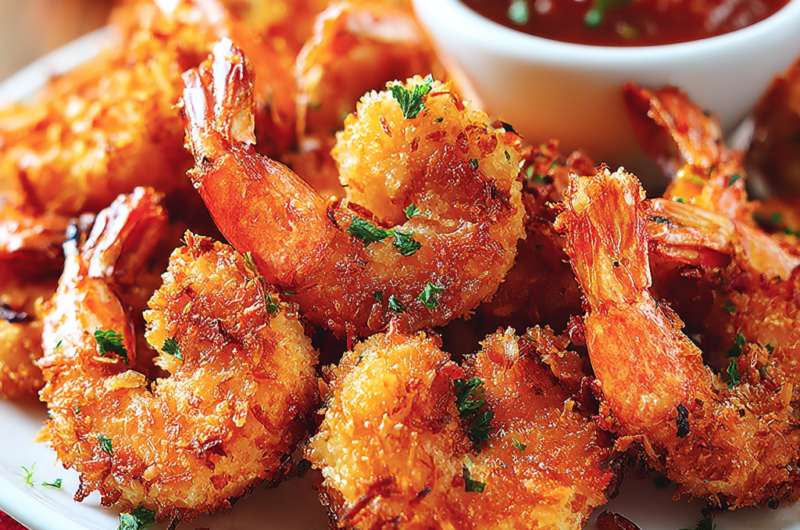
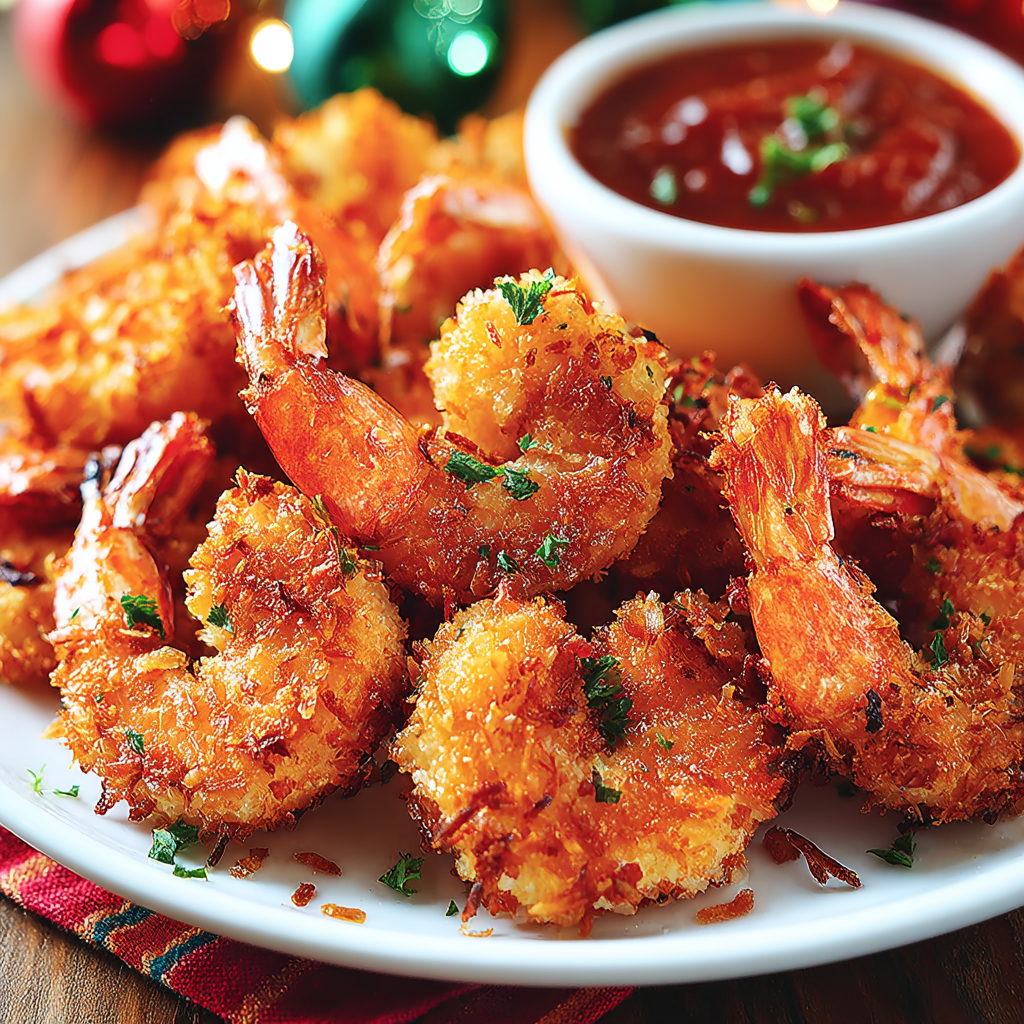
Coconut shrimp brings a taste of the tropics right into your kitchen. Its crunchy exterior and succulent interior evoke images of sun-drenched beaches and swaying palm trees, making it a delightful dish to serve at gatherings or as a special treat for yourself. Using fresh ingredients and the right technique, you can create restaurant-quality coconut shrimp at home.
This dish beautifully balances the sweet, nutty flavor of coconut with the tender meat of shrimp. The combination of textures, with the crispy coating and the juicy shrimp, makes each bite a memorable experience. Whether you're preparing them for a party appetizer or a casual dinner, these crispy coconut morsels are sure to be a hit.
Ingredients
- 1 pound large shrimp, peeled and deveined
Fresh shrimp forms the backbone of this dish, delivering a succulent and sweet flavor. Large shrimp are preferred as they provide a more substantial bite and hold up well during cooking. - 1 cup shredded coconut, sweetened or unsweetened
Shredded coconut creates the signature crispy coating for the shrimp. Sweetened coconut adds a touch of sweetness, while unsweetened offers a more balanced flavor profile. - 1 cup panko breadcrumbs
Panko breadcrumbs are light and crispy, providing an excellent crunch when fried. They absorb less oil than regular breadcrumbs, resulting in a lighter texture. - 2 eggs, beaten
The beaten eggs act as a binder, helping the coconut and breadcrumbs adhere to the shrimp, ensuring a perfectly coated and crispy exterior. - 1/2 cup all-purpose flour
Flour helps create a dry surface on the shrimp, allowing the egg mixture to stick better and resulting in an even coating for optimal texture. - 1 teaspoon garlic powder
Garlic powder adds depth of flavor to the shrimp, complementing the sweetness of the coconut and enhancing the overall taste profile. - 1 teaspoon salt
Salt is essential for enhancing all the flavors in this dish. It elevates the natural sweetness of the shrimp and offsets the richness of the coconut. - 1/4 teaspoon black pepper
Black pepper adds a subtle heat that balances the sweetness of the coconut, creating a well-rounded flavor. - Vegetable oil, for frying
Vegetable oil is used for frying the shrimp, providing a high smoke point that is crucial for achieving that perfect, golden-brown crisp.
Directions & Preparation
Step 1: Prepare the shrimp for coating.
Start by patting the shrimp dry with paper towels. This is a crucial step because moisture on the shrimp can prevent the coating from adhering properly. A dry surface allows for better adherence of the flour, egg, and coconut mixture, leading to a superior crunch after frying.
Step 2: Set up the breading station.
Create a three-part dredging station with separate bowls for flour, beaten eggs, and the coconut-panko mixture. This organized setup streamlines the coating process. By keeping one hand dry (for flour and coconut) and one hand wet (for egg), you’ll minimize a messy situation and ensure even coating.
Step 3: Combine shredded coconut and panko breadcrumbs.
In a bowl, mix the shredded coconut with the panko breadcrumbs, salt, and garlic powder. This mixture is what provides the crunchy exterior of your shrimp. The panko gives it lightness, while the coconut infuses a wonderful tropical flavor that is the hallmark of the dish.
Step 4: Dredge the shrimp in flour.
Toss the shrimp in flour to coat lightly, shaking off any excess. This initial flour layer is crucial as it helps the egg adhere better to the shrimp. It also adds a slight crunch to the final dish, creating a more complex texture.
Step 5: Dip the shrimp in beaten eggs.
Next, dip each flour-coated shrimp into the beaten eggs, making sure it's fully coated. The egg acts as a binding agent, enabling the coconut-panko mixture to stick efficiently during frying, resulting in a cohesive crust.
Step 6: Coat the shrimp with the coconut-panko mixture.
Press the shrimp into the coconut-panko mixture, ensuring they are thoroughly covered. This step is where the flavor and texture come together, so take your time to make sure each shrimp is adequately coated for that ideal crunch once fried.
Step 7: Heat the oil in a frying pan.
In a large pan, heat oil over medium-high heat until shimmering, approximately 350°F. The right temperature is key; too low and the shrimp will absorb oil, becoming greasy, while too high could lead to burnt coconut before the shrimp is cooked.
Step 8: Fry the shrimp in batches.
Carefully place the breaded shrimp in the hot oil, frying in batches to avoid overcrowding. This ensures each shrimp has enough space to brown evenly. Fry for about 2-3 minutes on each side, or until they turn a golden-brown color, indicating they are fully cooked but not overdone.
Step 9: Drain on paper towels.
Once fried, transfer the shrimp to a plate lined with paper towels to drain excess oil. This final step helps maintain the desired crispiness as it absorbs any residual oil, ensuring your shrimp remain light and crunchy.
Step 10: Serve with dipping sauce.
Coconut shrimp pairs wonderfully with a variety of dipping sauces, from sweet chili to mango salsa. The contrast of flavors, especially the sweetness of the sauce against the crunchy coconut, enhances the tropical vibe of the dish, making each bite a flavor fiesta.

Flavor Variations for Coconut Shrimp
Experimenting with different flavors can elevate your coconut shrimp to new heights. Adding spices like cayenne or smoked paprika to the coconut-panko mixture can introduce a thrilling heat that complements the sweetness. Alternatively, incorporating lime zest into the mixture or serving the shrimp with a zesty dipping sauce can add a refreshing twist that brightens the dish.
Pairing the Perfect Dipping Sauce
Selecting the right dipping sauce is crucial for enhancing the overall experience of your coconut shrimp. Sweet chili sauce provides a delightful contrast to the crispy sweetness of the shrimp, while mango chutney offers a tropical burst. You might also try a creamy yogurt sauce mixed with lime juice to balance the richness, delivering a refreshing accompaniment that’s as satisfying as the shrimp itself.
Tips for Perfectly Fried Coconut Shrimp
To achieve the perfect fry, maintaining the oil temperature is essential. If the oil is too hot, the coconut can burn before the shrimp is fully cooked; too cool and the shrimp may absorb too much oil. Using a thermometer can help you keep track of the temperature. Furthermore, keeping your shrimp at room temperature before frying allows for an even cook and a crispier finish.
FAQs
What should I do if the coating falls off during frying?
If the coating falls off, it may be due to insufficient drying of the shrimp beforehand or not enough oil heat. Ensuring the shrimp are dry and the oil is hot enough can mitigate this issue.
Can I make individual portions of this dish?
Yes, you can adjust the quantities of the shrimp and coating ingredients to suit the number of servings you need. Just make sure to maintain the proportions of the ingredients for consistent results.
What can I use instead of shrimp?
You could substitute shrimp with chicken tenders or even firm vegetables like zucchini or eggplant, though the cooking times will vary. Adjust accordingly to ensure even cooking.
How can I avoid greasy coconut shrimp?
Ensure the oil is hot enough before adding the shrimp and refrain from overcrowding the frying pan. Oil that is too cool or a pan that is too crowded can lead to greasy results.
Why did my coconut shrimp turn out bland?
If your shrimp taste bland, it could be due to insufficient seasoning in the flour or breadcrumb mixture. Don't hesitate to be generous with seasonings and spices to enhance the flavor.
Can I bake the coconut shrimp instead of frying?
Baking is an alternative, but the texture will differ. If you choose to bake, preheat your oven to 400°F, arrange the shrimp on a baking sheet, and spray with cooking oil to achieve a crispier finish.
Conclusion
Coconut shrimp is not only a delightful dish, but it's also a versatile one that allows for numerous variations in flavor and presentation. Whether you're serving them with a homemade dipping sauce or incorporating them into a larger meal, these crispy bites will undoubtedly impress your guests and elevate your culinary repertoire.
With just a bit of practice, you can perfect the art of frying coconut shrimp at home. So gather your ingredients and get ready to savor the delightful fusion of textures and flavors that make this dish a beloved favorite in kitchens around the world.
Recipe Card
Crispy Coconut Shrimp with a Tropical Twist
Ingredients
Method
- Prepare the shrimp for coating.
- Set up the breading station.
- Combine shredded coconut and panko breadcrumbs.
- Dredge the shrimp in flour.
- Dip the shrimp in beaten eggs.
- Coat the shrimp with the coconut-panko mixture.
- Heat the oil in a frying pan.
- Fry the shrimp in batches.
- Drain on paper towels.
- Serve with dipping sauce.
Notes
Additional serving suggestions: pair with a crisp salad, garlic bread, or roasted seasonal vegetables for balance.
For make-ahead, prep components separately and assemble just before heating to preserve texture.
Taste and adjust with acid (lemon/vinegar) and salt right at the end to wake up flavors.